US-Iran conflict: What UAE residents need to know today (July 22)
President Trump threatens strike on Iran's fortified Pickaxe Mountain nuclear facility as US completes 11th night of military operations. UAE travelers face flight disruptions amid escalating regional tensions.
Trump signals strike on fortified nuclear site
The United States and Iran moved closer to a new phase of confrontation on Wednesday as President Donald Trump signaled that an attack on Iran's underground Pickaxe Mountain nuclear complex could come "pretty soon", while American forces conducted their 11th consecutive night of strikes against Iranian military infrastructure.
The escalating conflict continues to affect regional security, global energy markets and air travel, though authorities emphasize that daily routines across the Emirates remain unaffected.
The most significant development is Trump's warning that Washington is preparing to target Iran's Pickaxe Mountain facility, located approximately 220 kilometers south of Tehran near the Natanz nuclear complex in Isfahan Province. The underground installation, buried at least 80 to 100 meters beneath the surface, is believed to be among Iran's most heavily protected nuclear sites.
International Atomic Energy Agency inspectors have never been granted access to the facility, which is considered even more difficult to strike from the air than Iran's Fordow installation due to its depth and dense rock protection. The site was constructed beginning in 2020, after an explosion at Natanz that Iranian authorities attributed to sabotage. Iran's then-nuclear chief Ali Akbar Salehi announced plans at the time to build a more modern facility in the mountain for producing advanced centrifuges.
Military analysts note that any strike would likely require the US military's Massive Ordnance Penetrator, a 30,000-pound bunker-buster bomb capable of penetrating up to 60 meters of ground and concrete before detonating. The weapon, first used in combat during Operation Midnight Hammer against Iranian nuclear facilities in June 2025, was developed specifically with Iran's fortified installations in mind.
Eleventh night of US military operations
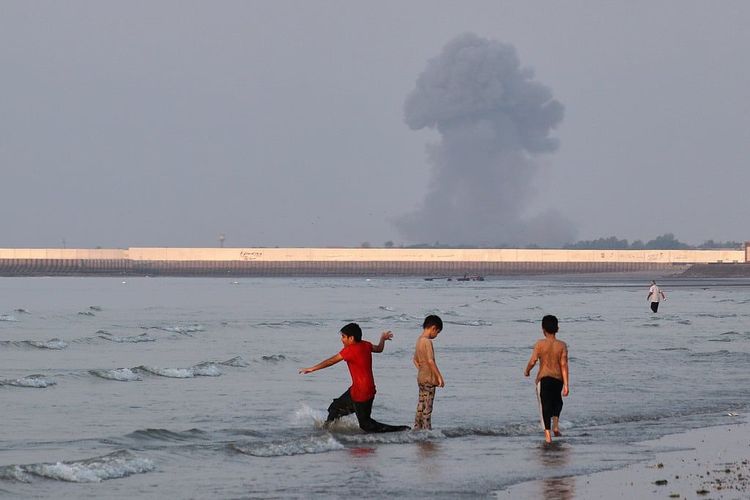
The Pentagon confirmed that American forces struck multiple Iranian military targets overnight, extending a campaign now in its 11th consecutive night. The latest operations reportedly targeted drone production facilities and aircraft infrastructure as Washington works to diminish Iran's military capabilities.
The Pentagon has stated it has degraded approximately 90% of Iran's ballistic missile capabilities, though drone capacity proves more difficult to eliminate because drones can be produced in smaller facilities and launched from trucks. Iran has continued retaliatory attacks against US interests and commercial vessels in the region.
Hormuz shipping lane under watch
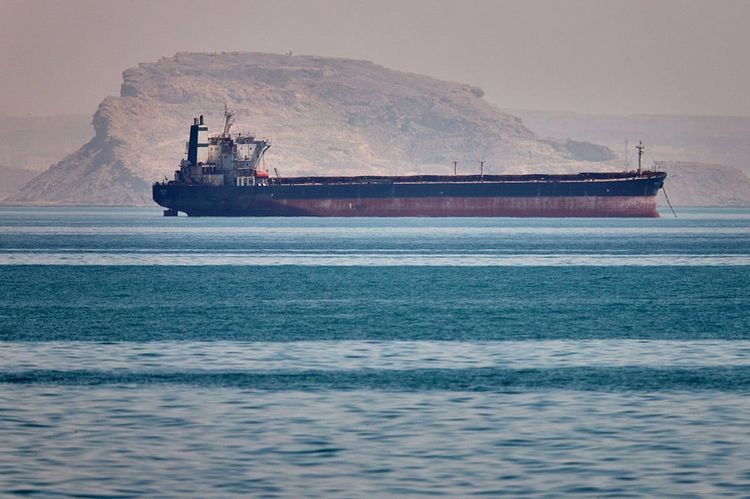
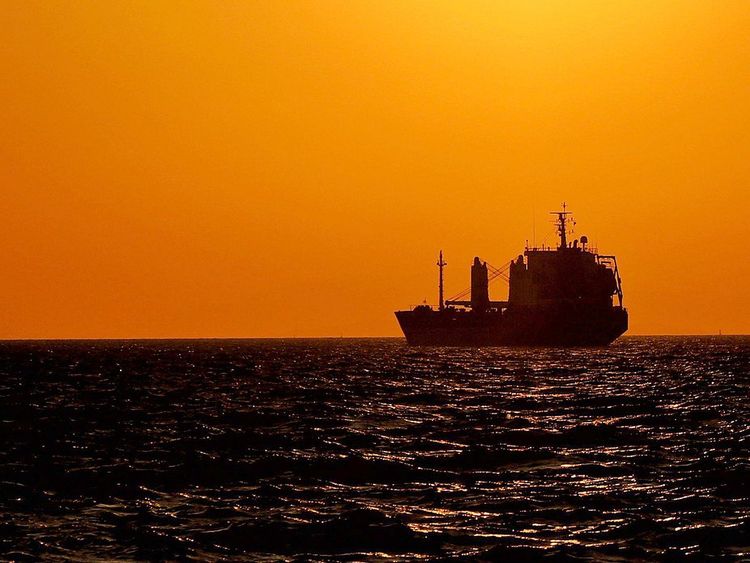
US Secretary of State Marco Rubio issued a renewed warning against any Iranian attempt to dominate or disrupt the Strait of Hormuz, one of the world's most critical energy chokepoints. Approximately 20 million barrels of oil pass through the waterway daily, accounting for roughly 25% of global seaborne oil trade and about 20% of global oil consumption.
The strait also handles approximately 20% of global liquefied natural gas trade, with about 93% of Qatar's and 96% of the UAE's LNG exports transiting through the passage. Asian countries receive approximately 84 to 89% of all crude oil passing through the strait, with China alone accounting for about 37.7% of oil exports.
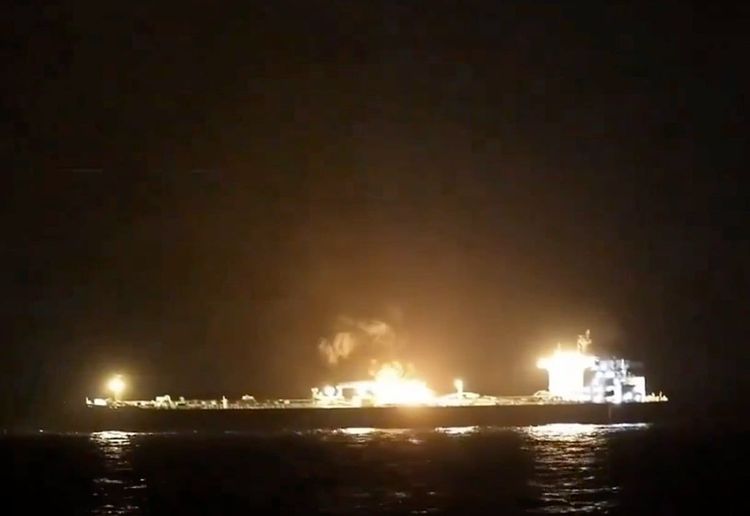
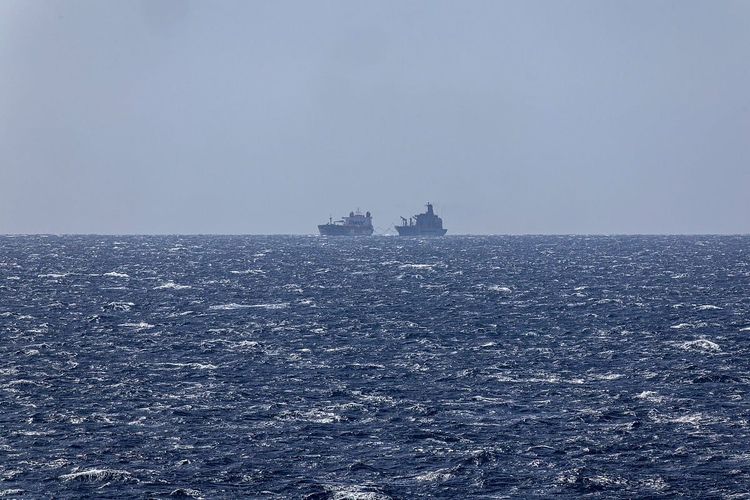
The waterway remains under intense military surveillance following repeated attacks on commercial shipping in recent weeks, raising concerns over global energy supplies and maritime security. Despite the tensions, Rubio indicated that Washington remains willing to negotiate if Tehran demonstrates genuine interest in diplomacy.
Flight operations and travel advisories
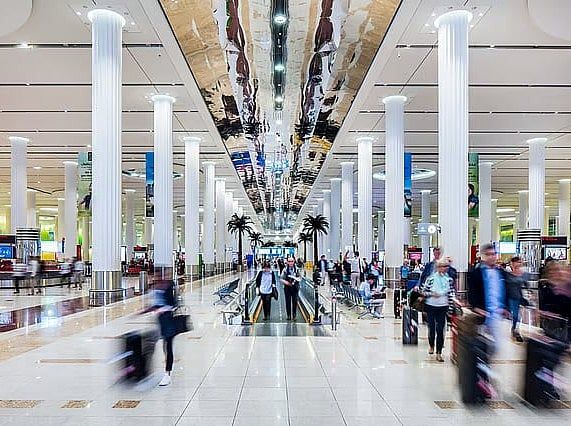
Despite the ongoing conflict, Dubai airports continue operating at full capacity. However, several airlines serving the UAE have adjusted operations due to regional security concerns. The European Union Aviation Safety Agency issued bulletin CZIB-2026-07 on July 14, advising European airlines to avoid UAE, Qatar, Bahrain and Kuwait airspace at all altitudes until at least July 29, 2026.
UAE airspace remains open to commercial operations with routing restrictions in place, and traffic continues using managed corridors. Flights to destinations including Kuwait and Bahrain remain subject to delays, rerouting or temporary suspensions depending on security assessments and airspace restrictions.
Passengers traveling through Dubai, Abu Dhabi or Sharjah are advised to verify flight status directly with airlines before departing for the airport. Travelers leaving from Dubai should arrive at least three hours before their scheduled departure to allow additional time for security, immigration and boarding procedures.
Financial and human costs mount
The financial burden of the conflict continues to climb. US Defense Secretary Pete Hegseth informed lawmakers that the military operations have now cost approximately $37.5 billion, with the Pentagon requesting tens of billions more for continued engagement. American casualties are also rising, with more than 500 reported troop injuries.
The US military identified Sgt. Michael Emmanuel Swinton as the latest American service member killed in the conflict after he died while assisting with the disposal of unexploded ordnance from an Iranian drone attack.
What UAE residents should monitor
Residents should track several key developments:
- Airline advisories for flights across the Gulf, particularly as carriers anticipate increased passenger numbers during the summer travel season
- Potential shipping disruptions in the Strait of Hormuz that could influence fuel prices
- Possible US military action against Pickaxe Mountain, which could trigger Iranian retaliation
- Fresh diplomatic initiatives, as Rubio has reiterated that negotiations remain possible despite ongoing military operations
Authorities continue to emphasize that security measures remain robust and that normal activities across the UAE are unaffected by the regional developments.