US Central Command conducts 12th consecutive night of strikes against Iranian military infrastructure
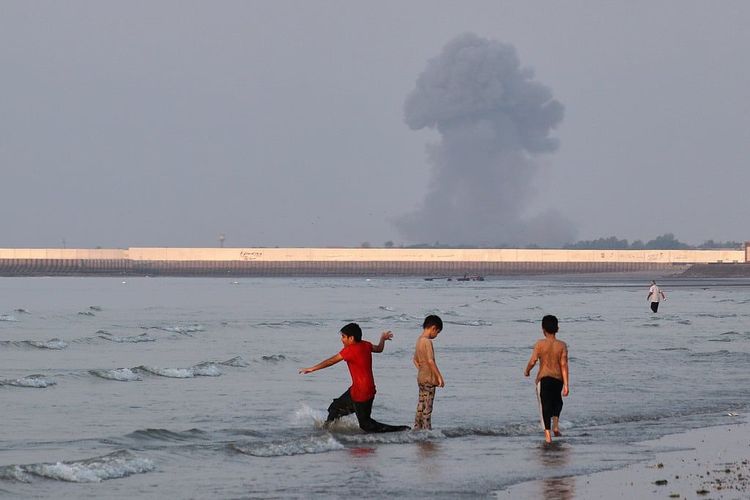
American forces continued their sustained military campaign against Iranian targets overnight Thursday, striking command centers, air defenses and coastal facilities in operations aimed at protecting commercial shipping through the Strait of Hormuz.
US Central Command conducts 12th consecutive night of strikes against Iranian military infrastructure
US Central Command forces launched a new round of strikes against Iranian military targets overnight Thursday, marking the 12th consecutive night of operations designed to protect commercial vessels transiting regional waters.
The strikes commenced at 1:30am Gulf Standard Time on July 23, 2026, according to a CentCom statement posted on X. The command said operations "will continue to further degrade Iran's ability to threaten civilian mariners and commercial vessels transiting regional waters."
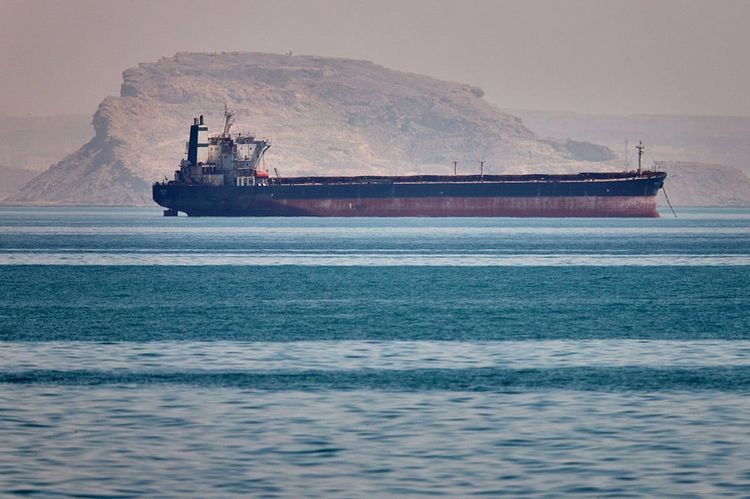
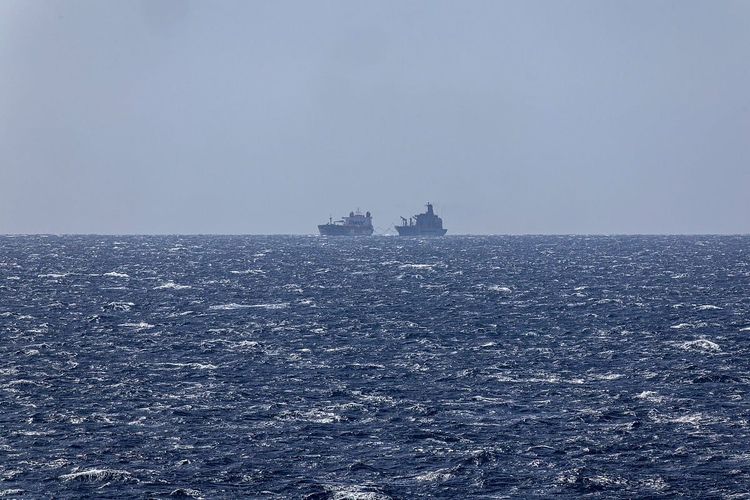
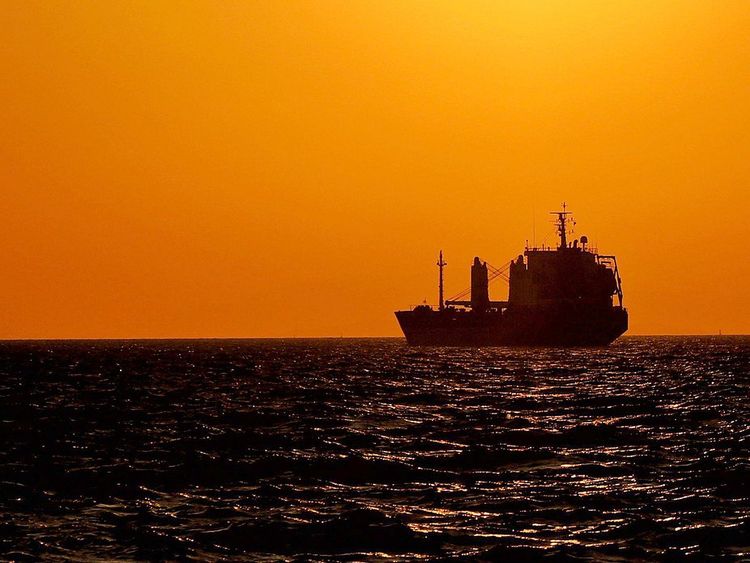
The military campaign represents a sustained American response to Iranian attacks on commercial shipping in the Strait of Hormuz, a narrow waterway bordered by Iran to the north and Oman and the United Arab Emirates to the south. At just 21 miles wide at its narrowest point, with shipping lanes in each direction measuring only two miles across, the strait serves as the sole maritime outlet from the Persian Gulf to the open ocean.
Approximately 20 million barrels per day of crude oil and petroleum products pass through the waterway, representing roughly 25 percent of all global seaborne oil trade and about one-fifth of total world oil consumption.
Targeting Iranian coastal defenses
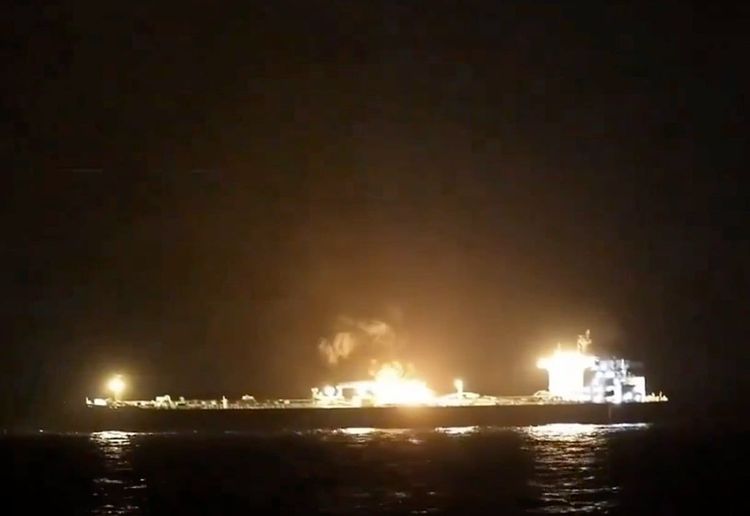
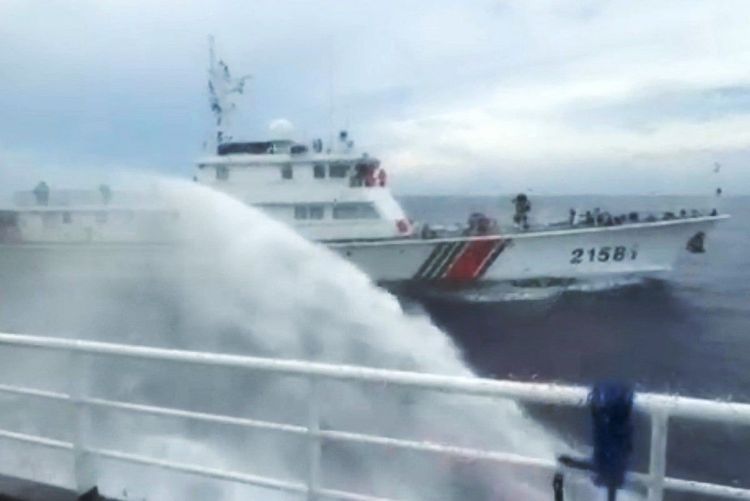
CentCom has conducted multiple rounds of operations targeting Iranian command centers, air defense systems, missile and drone sites, coastal facilities and communications networks. The strikes follow Iranian attacks on commercial vessels using ballistic missiles and drones, as well as assaults by small speedboats and attack craft equipped with missiles and mines.
US officials have characterized the campaign as necessary to safeguard freedom of navigation and international shipping after Iran allegedly violated agreements and directly targeted civilian mariners.
Iran has reported casualties and damage from the strikes, while the US has also acknowledged service member losses in related defensive actions.
Carrier strike group operations
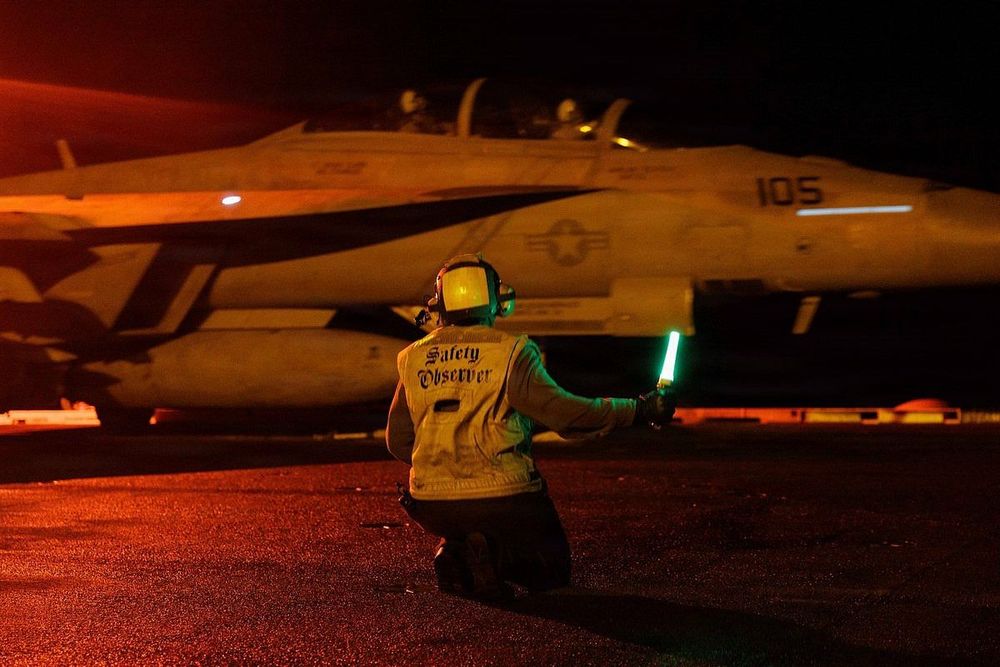
Aircraft conducting the strikes include F/A-18E Super Hornets operating from USS George H.W. Bush, an aircraft carrier that entered the Central Command area of responsibility on April 23, 2026. The deployment brought the number of US aircraft carriers operating in and around the Middle East to three.
The F/A-18E Super Hornet, capable of speeds exceeding Mach 1.8 and equipped with a combat range of 1,275 nautical miles, serves as a multirole fighter jet conducting both air-to-air and air-to-ground missions. Carrier Air Wing 7, which deploys aboard the George H.W. Bush, includes four F/A-18 Super Hornet squadrons alongside electronic attack, airborne early warning and helicopter squadrons.
Central Command, headquartered at MacDill Air Force Base in Tampa, Florida, oversees military operations across 21 countries including Afghanistan, Bahrain, Egypt, Iran, Iraq, Israel, Jordan, Kazakhstan, Kuwait, Kyrgyzstan, Lebanon, Oman, Pakistan, Qatar, Saudi Arabia, Syria, Tajikistan, Turkmenistan, the United Arab Emirates, Uzbekistan and Yemen.
The latest strikes represent the continuation of operations in the CentCom area of responsibility, where American forces have defended against Iranian drones and missiles while supporting partner nations throughout the escalating tensions.