Britain declares armed forces ready to defend homeland after Iranian threats over US bomber operations
UK confirms military readiness after Iran's Revolutionary Guard designates British bases hosting US bombers as legitimate targets, as Washington conducts 13th consecutive night of strikes and deploys over 50,000 troops to the region.
Britain declares armed forces ready to defend homeland after Iranian threats over US bomber operations
Britain has declared its armed forces prepared to defend the nation after Iran's Islamic Revolutionary Guard Corps designated British military installations hosting US operations as legitimate targets, marking a sharp escalation that brings the widening Middle East conflict directly to European soil.
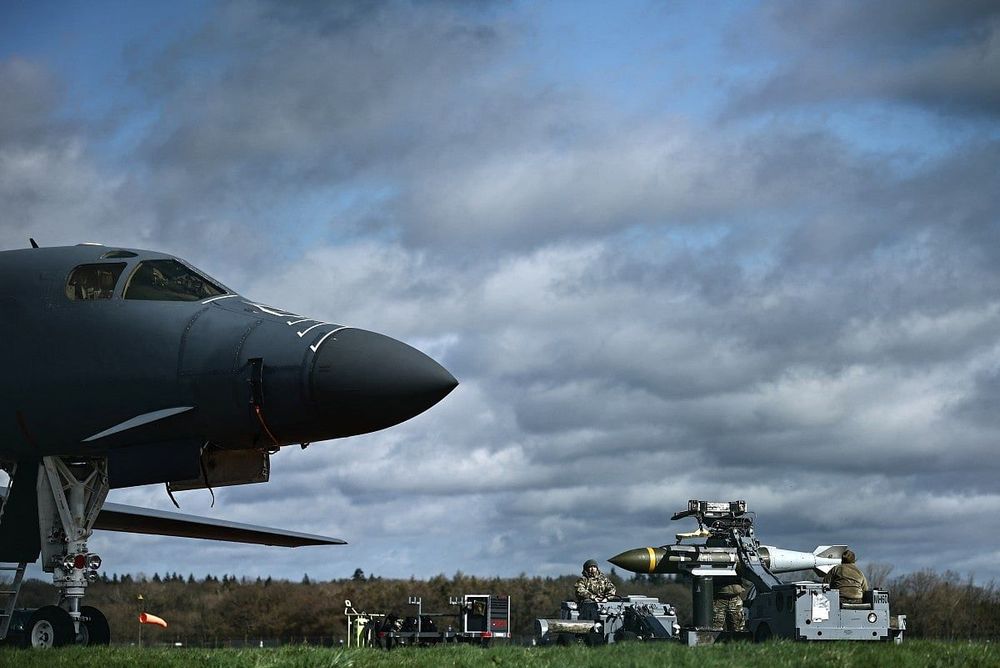
The Iranian threat follows the deployment of American B-1 Lancer bombers to RAF Fairford in Gloucestershire, the US Air Force's only dedicated forward operating location for heavy bombers in Europe. These supersonic aircraft have been launching strikes against Iranian military targets as part of a sustained air campaign now entering its 13th consecutive night.
The basing arrangement at Fairford significantly shortens turnaround times for bomber missions. Before Britain granted access to the base, aircraft were flying roughly 36-hour round-trip sorties from the continental United States to Iran and back, a grueling operational tempo that limited strike frequency and pilot readiness.
A senior British defence source confirmed that armed forces stand ready to protect the United Kingdom from attacks on its soil or from abroad. Prime Minister Andy Burnham's government has authorized US access to British bases for Iran operations, representing the first such use of UK territory for strikes in this conflict.
Sustained US military campaign intensifies
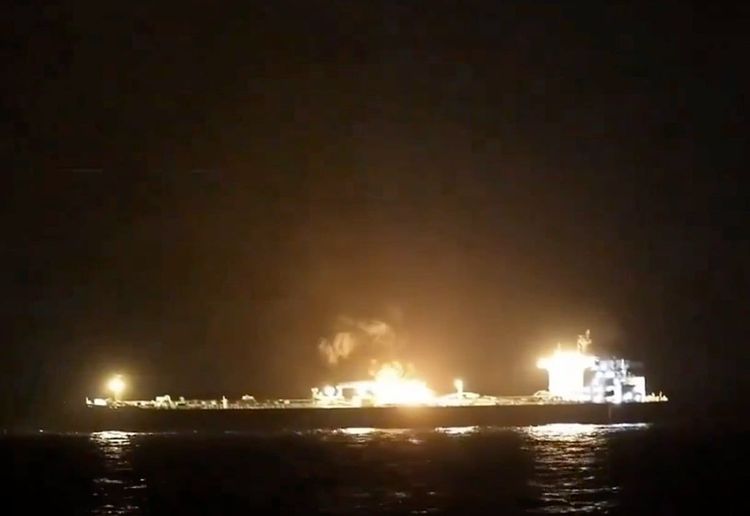
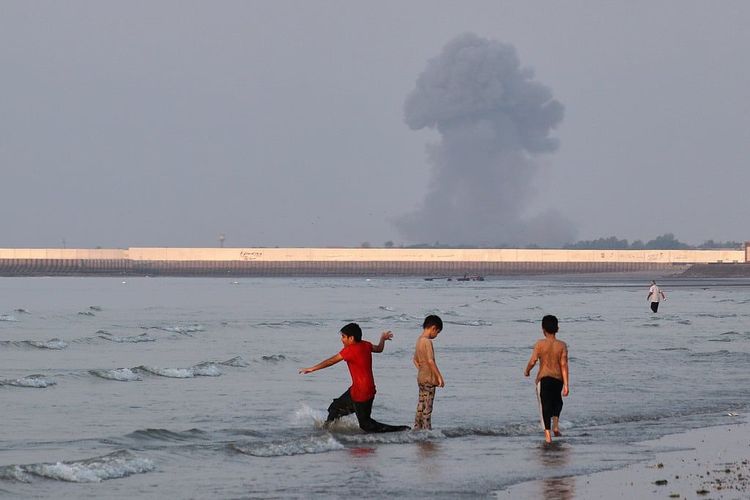
US Central Command, which oversees American military operations across 20 nations in the Middle East, Central Asia and parts of South Asia, conducted its 13th straight night of airstrikes on Iranian military infrastructure Thursday into Friday. The strikes have targeted missile capabilities, drone facilities, air defenses and maritime assets used to harass commercial vessels.
Washington has steadily reinforced its regional presence, with more than 50,000 American troops now deployed across the Gulf and broader Middle East, including additional combat medics and support personnel. The military buildup underscores the scope and anticipated duration of operations.
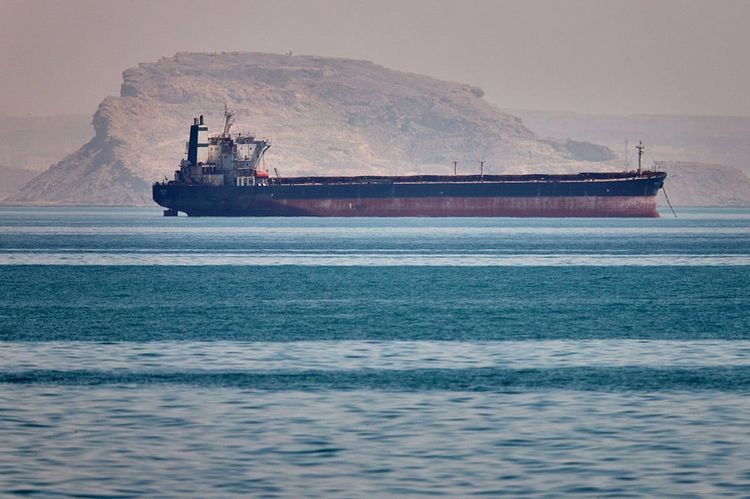
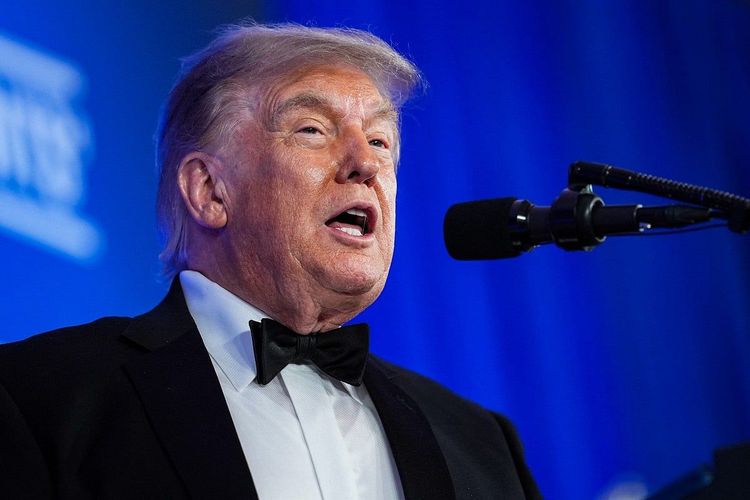
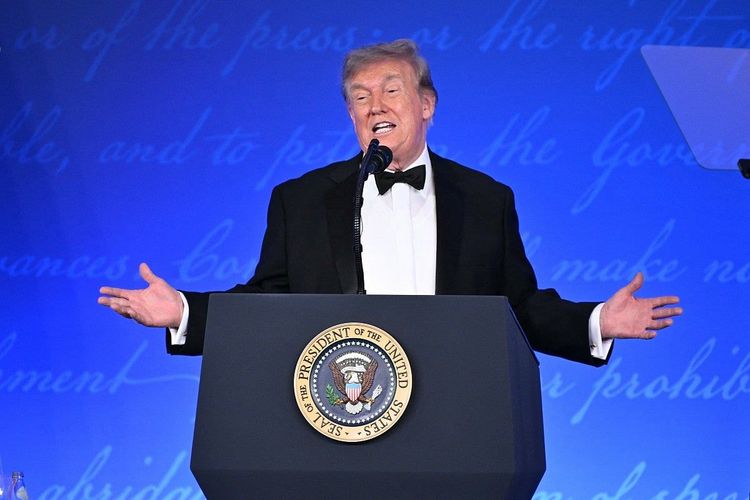
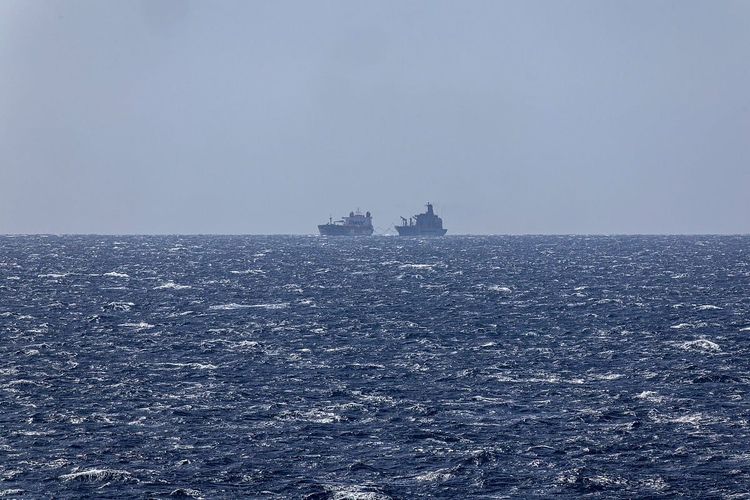
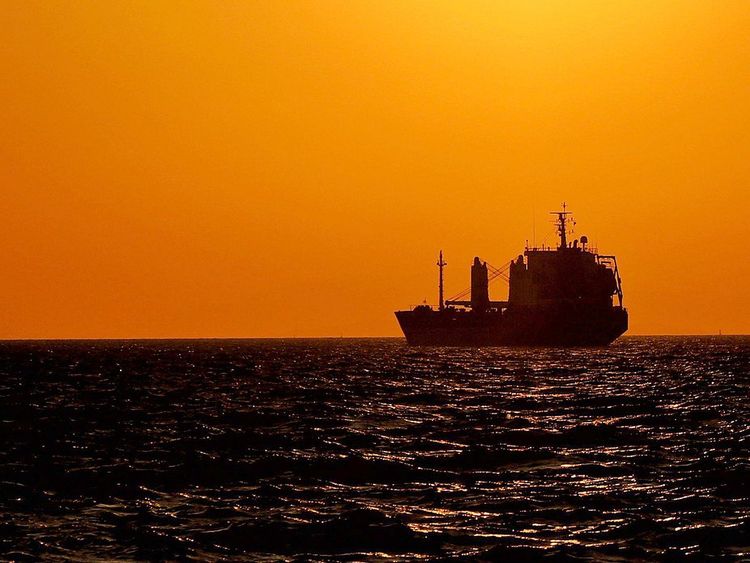
President Trump has issued increasingly blunt warnings that continued Iranian threats to commercial shipping could prompt strikes on civilian infrastructure. The administration frames the pressure campaign as necessary to secure safe navigation through the Strait of Hormuz, a critical chokepoint through which approximately 25 percent of the world's seaborne oil trade transits daily. Nearly 15 million barrels per day of crude oil passed through the strait in 2025, representing roughly 34 percent of all global crude oil trade.
Asian economies face particular vulnerability to any supply disruption, with China receiving 37.7 percent of all oil exports passing through the Strait of Hormuz. Asian countries collectively receive 89.2 percent of the strait's crude oil flows, making the region's energy security heavily dependent on unimpeded passage.
Iranian Revolutionary Guard issues direct threats
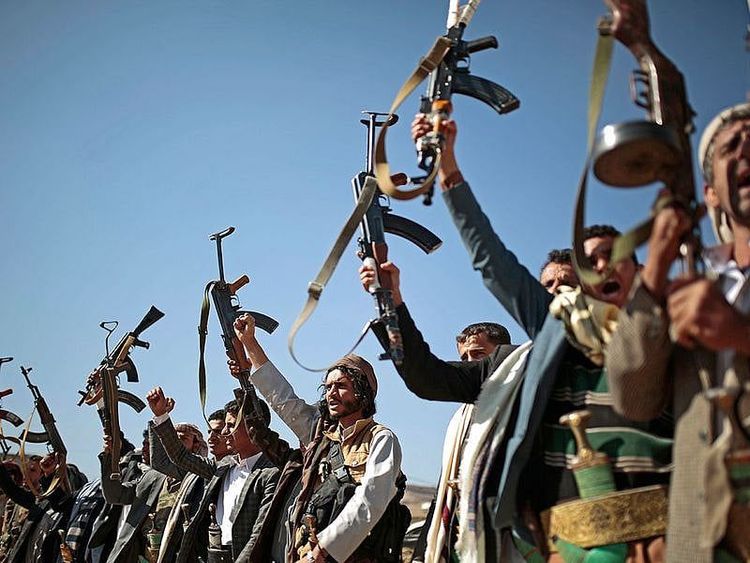
Iran's Islamic Revolutionary Guard Corps, established in 1979 following the Iranian revolution to safeguard the revolutionary regime, has explicitly warned that British installations hosting US operations represent legitimate targets for retaliation. The IRGC comprises five branches: Ground Forces, Air Force, Navy, Basij militia and Qods Force special operations, giving it substantial strike capabilities across multiple domains.
Iranian Foreign Minister Seyed Abbas Araghchi has condemned the ongoing strikes and broader US actions, including disputes over frozen assets, while maintaining that Iran will respond to parties aiding Washington's campaign. Tehran has coupled its warnings with a posture of resilience, vowing consequences for any nations providing operational support to American forces.
Strategic significance of bomber deployment
The B-1B Lancer bombers operating from RAF Fairford carry the largest conventional payload of guided and unguided weapons in the Air Force inventory, with an internal capacity of up to 75,000 pounds of ordnance distributed across three bomb bays. This substantial strike capability has added significant long-range firepower to US operations against Iranian targets.
The deployment represents a major commitment of American bomber resources. Military aviation sources indicate that roughly 15 B-1B Lancers had been positioned at Fairford by late March 2026, representing approximately one-third of the entire Lancer fleet still in operational service.
Diplomatic efforts stalled amid maximalist positions
The current phase of hostilities traces back to a US-Israeli military campaign launched in late February 2026, triggered by longstanding disputes over Iran's nuclear program, regional proxy activities and security concerns. What began as targeted strikes has evolved into a sustained air campaign punctuated by fragile ceasefire attempts, retaliatory exchanges and mounting economic pressures.
Efforts at de-escalation appear stalled, with both Washington and Tehran trading accusations and adopting maximalist public positions. Back-channel communications reportedly continue through intermediaries, though no breakthrough has materialized. Britain's direct exposure to Iranian threats adds a new dimension to the crisis, potentially complicating diplomatic calculations and broadening the coalition of nations with direct stakes in the conflict's resolution.
The widening geographic scope of threats and the sustained tempo of military operations suggest the confrontation has entered a protracted phase, with significant implications for regional stability, global energy markets and the security posture of US allies in Europe and beyond.