UAE condemns Houthi threats of maritime blockade against Saudi Arabia
The United Arab Emirates has strongly condemned threats by Yemen's Houthi group to impose a naval embargo on Saudi Arabia, calling on the international community to enforce UN resolutions on navigation rights in the Red Sea and demanding an end to attacks on commercial vessels.
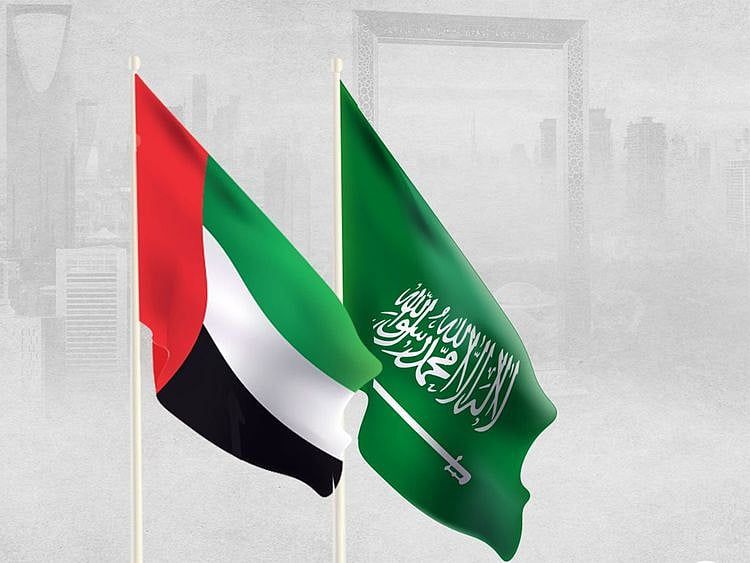
UAE strongly condemns Houthi Group statements against Saudi Arabia
The United Arab Emirates has issued a strong condemnation of threats made by Yemen's Houthi group against the Kingdom of Saudi Arabia, including an announced maritime blockade targeting the kingdom.
The Ministry of Foreign Affairs called on the international community to ensure full implementation of relevant UN Security Council resolutions. The Ministry specifically cited Resolution 2216, adopted in April 2015, which demands that the Houthis cease military operations, withdraw from seized territory, and relinquish arms from government institutions while imposing a targeted arms embargo on the group.
The UAE statement also referenced Resolution 2722, adopted in January 2024 in response to Houthi attacks on shipping in the Red Sea. That resolution demands the group immediately cease all attacks on merchant and commercial vessels. The resolution has been renewed four times in six-month intervals, with the most recent renewals co-authored by Greece and the United States, reflecting sustained international concern over Red Sea security.
Threats Against Critical Shipping Route
On July 20, the Houthis announced they would impose a maritime embargo on Saudi Arabia in retaliation for what they described as a recent attack on Sanaa International Airport and a decade-long blockade on Yemen. The group threatened to close the Bab al-Mandeb strait to Saudi vessels.
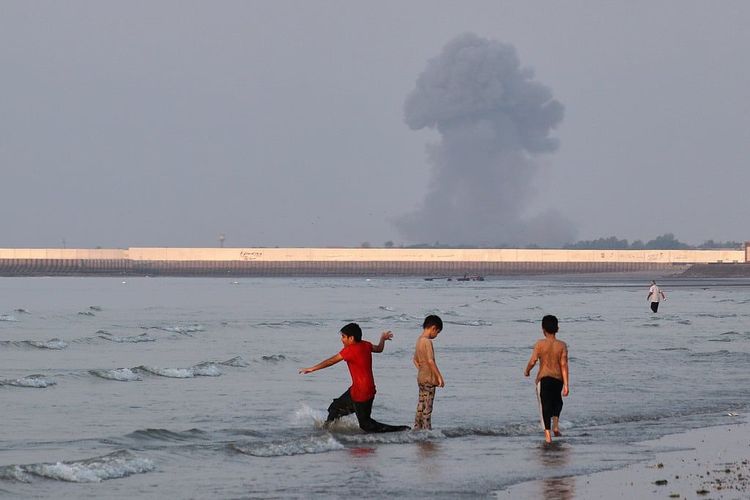
The announcement followed escalating tensions after the Houthis alleged that Saudi forces struck Sanaa International Airport, targeting a flight carrying Houthi leaders returning from Iran. In response, the group launched retaliatory missile and drone attacks on Saudi Arabia's Abha International Airport.
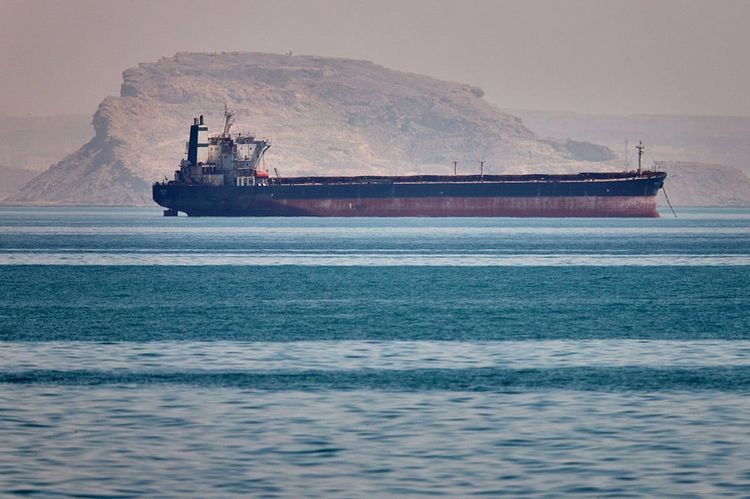
The Bab al-Mandeb strait represents one of the world's most important shipping routes, connecting the Red Sea to the Gulf of Aden. Approximately 60 commercial and passenger vessels and nearly four million barrels of oil travel through the waterway daily, making it critical for global oil exports.
Pattern of Maritime Attacks
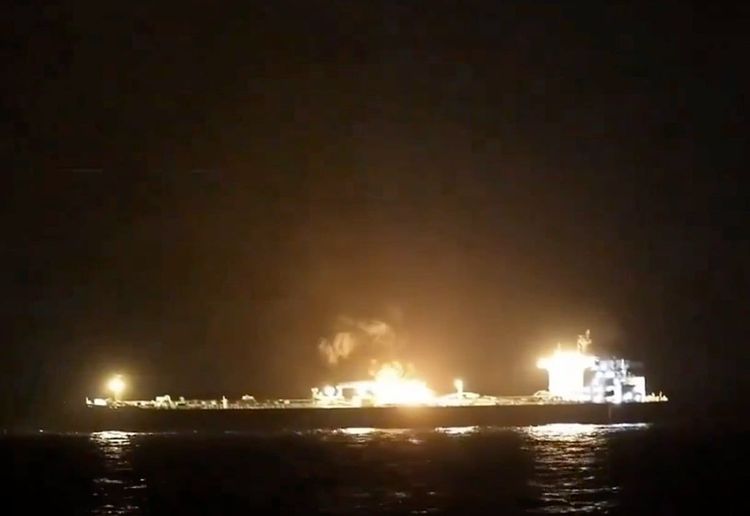
The Houthis have demonstrated their capability to disrupt regional shipping, conducting over 190 attacks on commercial vessels in the Red Sea and Gulf of Aden between November 2023 and October 2024. Those attacks caused significant disruption to global shipping, forcing many vessels to reroute via the Cape of Good Hope while freight and insurance costs surged.
The group paused large-scale maritime attacks in mid-November 2025 following a Gaza ceasefire agreement, with no sustained attacks occurring from approximately November 11, 2025 until late February 2026. However, the recent threats signal potential resumption of operations.
International Law and Navigation Rights
The Ministry of Foreign Affairs emphasized that freedom of navigation in international waterways is a right guaranteed under international law and the 1982 United Nations Convention on the Law of the Sea. UNCLOS establishes freedom of navigation as a fundamental principle of international maritime law, guaranteeing vessels the right to transit through international straits and waterways.
The Ministry reaffirmed the UAE's full solidarity with Saudi Arabia and its support for all measures aimed at safeguarding the kingdom's security and stability.