Trump vows to continue Iran conflict as costs reach $37.5 billion, strikes expand to key energy chokepoints
President Trump warns he is 'not finished' with Iran as Defense Secretary Pete Hegseth reveals the nearly five-month conflict has cost $37.5 billion. Fresh US strikes hit Tehran and Bushehr as fighting spreads beyond the Strait of Hormuz.
Trump vows to continue Iran conflict as costs reach $37.5 billion, strikes expand to key energy chokepoints
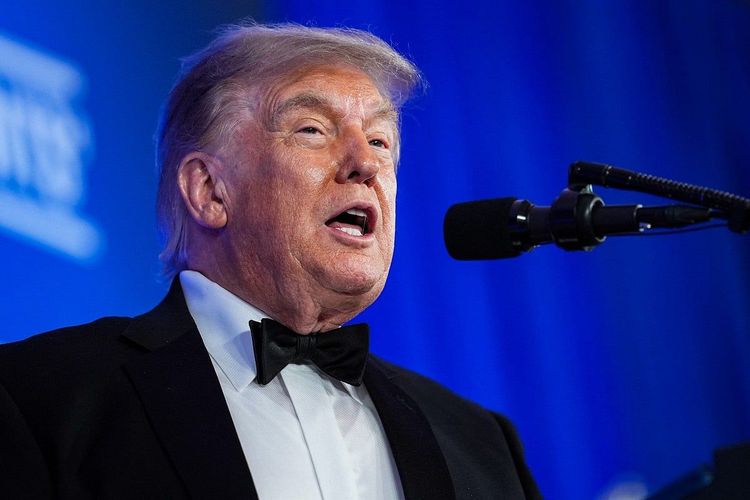
President Donald Trump declared Wednesday he was "not finished" with a war against Iran that has already cost the United States $37.5 billion, as fresh American strikes triggered air defences in Tehran and expanded the conflict to include both of the Middle East's critical oil transit chokepoints.
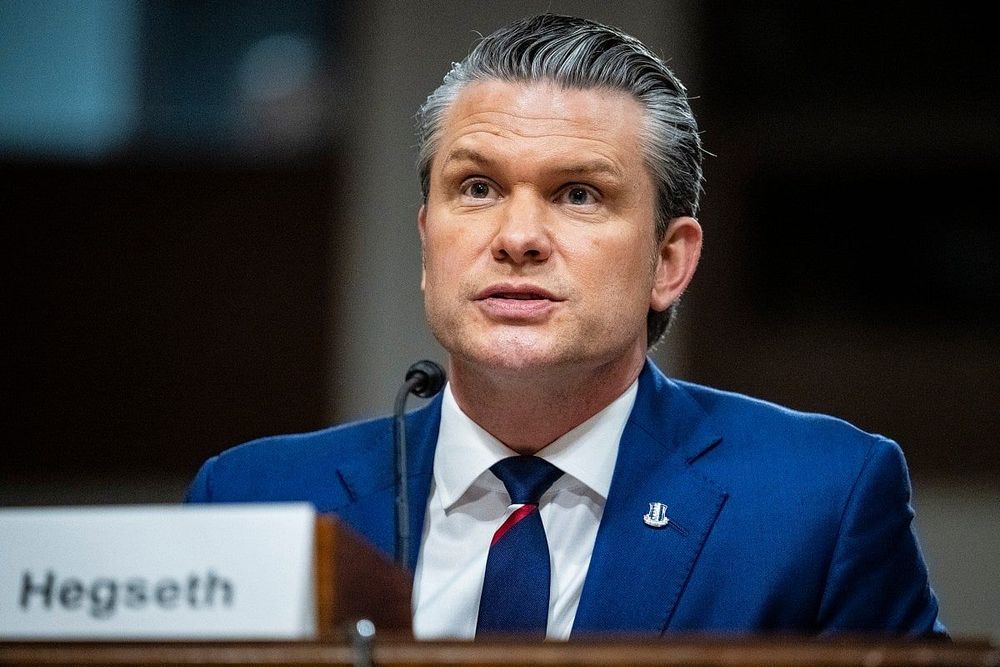
Defense Secretary Pete Hegseth disclosed the mounting financial burden of the nearly five-month conflict on Tuesday while defending a request for tens of billions in additional military funding. The war has generated intense political pressure on Trump to end hostilities ahead of November's legislative elections, with opposition even from segments of his political base.
Strategic waterways at risk
The fighting, which initially centred on the Strait of Hormuz, has now spread to threaten Saudi Arabia's Red Sea export routes following warnings from Iran's Houthi allies of a potential blockade of Saudi ports. Nearly 15 million barrels per day of crude oil passed through the Strait of Hormuz in 2025, representing approximately 34 per cent of global crude oil trade, with China and India combined receiving 44 per cent of these exports. The strait also handles roughly 20 per cent of global liquefied natural gas trade, with 93 per cent of Qatar's and 96 per cent of the UAE's LNG exports transiting through this narrow passage.
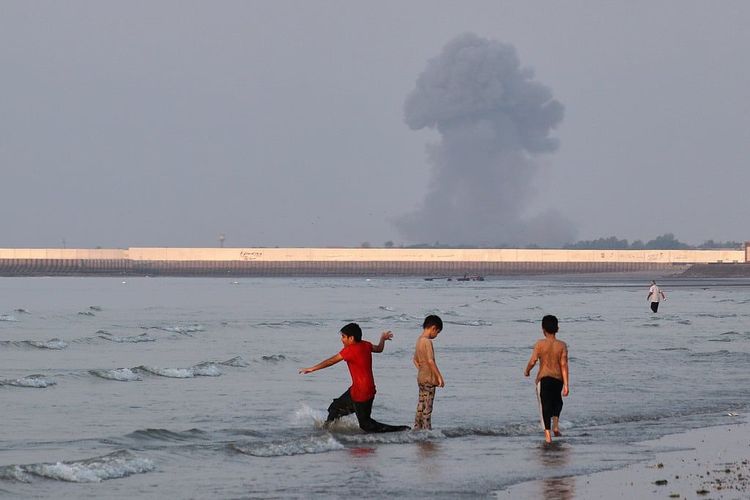
The US military said its latest attacks on Wednesday targeted "military logistics infrastructure" across Iran, while Iranian state media reported strikes around the country, including near Bushehr, home to Iran's only operational nuclear power plant. The facility generates approximately 1,000 megawatts of electricity using Russian-supplied uranium and operates under International Atomic Energy Agency monitoring.
"News sources reported minutes ago that air defence activity was heard in the west, east and northeast of Tehran," state television posted on messaging platform Telegram.
Underground nuclear facility in crosshairs
Trump indicated Tuesday that the next American target could be Pickaxe Mountain, an underground complex near Natanz where Western intelligence suspects Iran is constructing an undeclared uranium enrichment facility. The site, located approximately 0.9 miles south of the Natanz Nuclear Facility, is buried at least 100 metres underground, making it deeper and more heavily fortified than Iran's Fordow enrichment facility. Israeli intelligence has reportedly assessed that Iran transferred thousands of uranium enrichment centrifuges to Pickaxe Mountain last autumn following a 12-day war in June 2025, when US and Israeli forces bombed Iran's nuclear facilities including those at Natanz.
Iran's Khatam Al-Anbiya military command warned it would "consider it as an expansion of war in the region" if such an attack were carried out, threatening strikes on "all the interests of America, the allies and supporters," according to state broadcaster IRIB.
"If we left right now, it would take Iran 20, 25 years to rebuild," Trump said. "We're not finished at all... we're not leaving right now."
Regional allies under fire
Tehran has broadened its offensive against US-allied Gulf states after its Houthi allies threatened to blockade Saudi ports. Kuwait's army said Wednesday its air defences were engaging with drone attacks from Iran, the latest round of Tehran's reprisals. US ally Bahrain said Tuesday it intercepted Iranian attacks as sirens sounded repeatedly, while Kuwait and Jordan reported intercepting drone and missile strikes.
The Iranian army said it targeted US assets in Kuwait and Bahrain, including air defence systems, radar installations and administrative buildings. "With this radar sweep, the enemy should prepare for even more decisive and powerful waves of drone and missile attacks," Iran's Revolutionary Guards said in a statement.
Houthi blockade threat
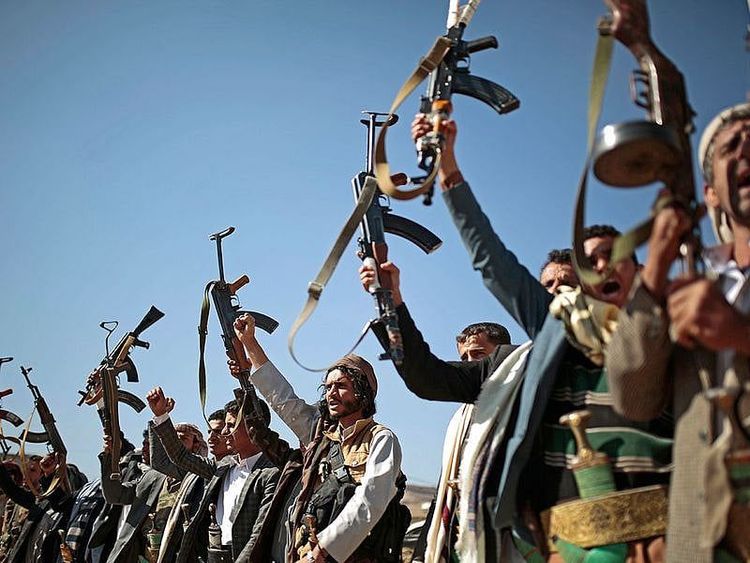
Trump said he would "take care of" Yemen's Iran-backed Houthi rebels if they followed through on a Monday threat to blockade Saudi Arabia's ports. "If something like that happens, we take care of it," Trump said. "We've done that with the Houthis before, and we haven't heard from them in a while since we did what we did originally."
Saudi Arabia strongly condemned the threat from what it called the "terrorist Houthi militia." While it remains unclear how the Houthis would enforce such a blockade, maritime intelligence provider Vanguard Tech reported that a Singapore-flagged tanker and a Liberia-flagged tanker both "reversed course" in the Red Sea after loading crude at the Saudi port of Yanbu.
A Houthi blockade could endanger Riyadh's ability to bypass the Strait of Hormuz for oil exports, with major repercussions for the global economy. Saudi Arabia's East-West pipeline connecting the Abqaiq processing centre to Yanbu on the Red Sea has a nominal capacity of 7 million barrels per day, though approximately 2 million barrels supply domestic refineries, leaving roughly 5 million barrels per day available for exports. Saudi Arabia and the UAE are the only two countries in the Persian Gulf region with significant pipeline capacity to bypass the Strait of Hormuz, while other major exporters including Iran, Iraq, Kuwait, Qatar and Bahrain rely on the strait for the vast majority of their oil exports.
Saudi Arabia and the Houthis exchanged fire last week for the first time in years, threatening a 2022 truce, though the rebels have largely remained on the sidelines since Israel and the United States attacked Iran in late February.
Tanker strikes in Hormuz
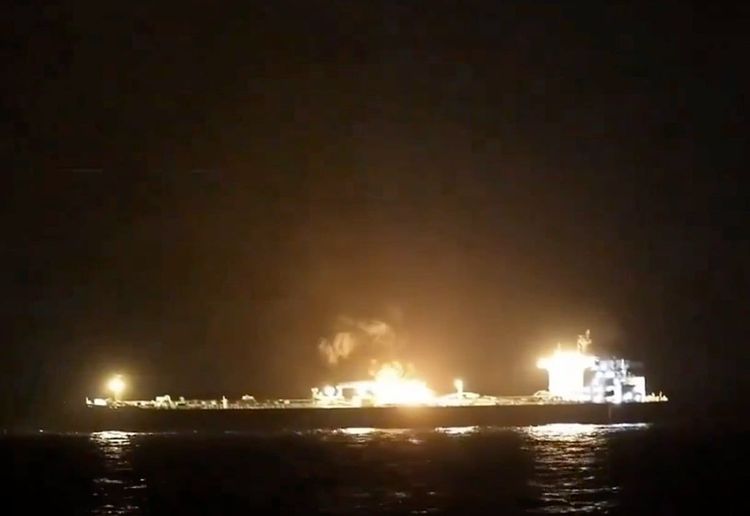
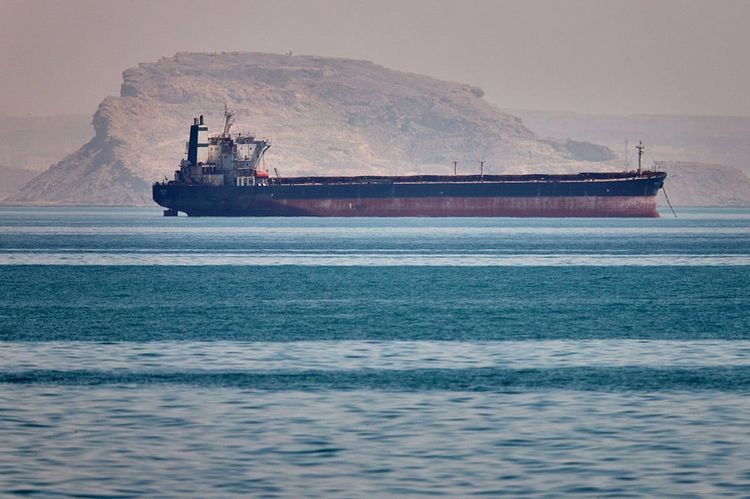
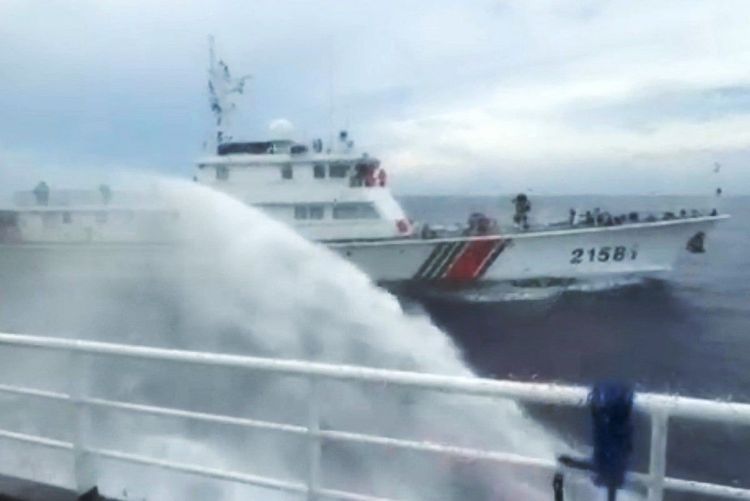
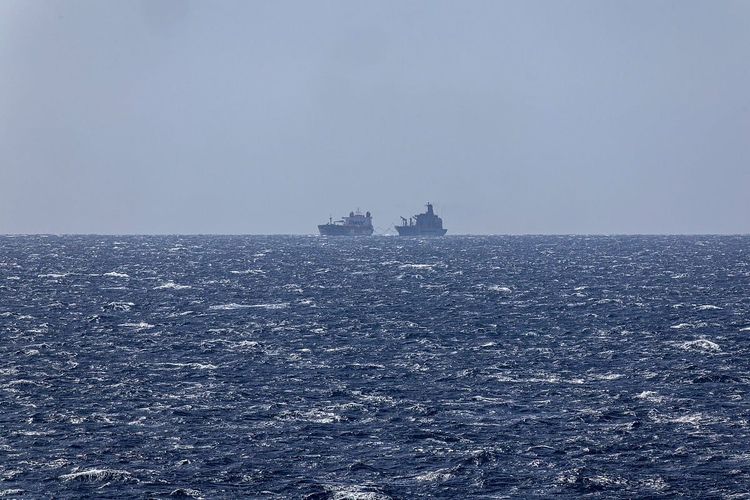
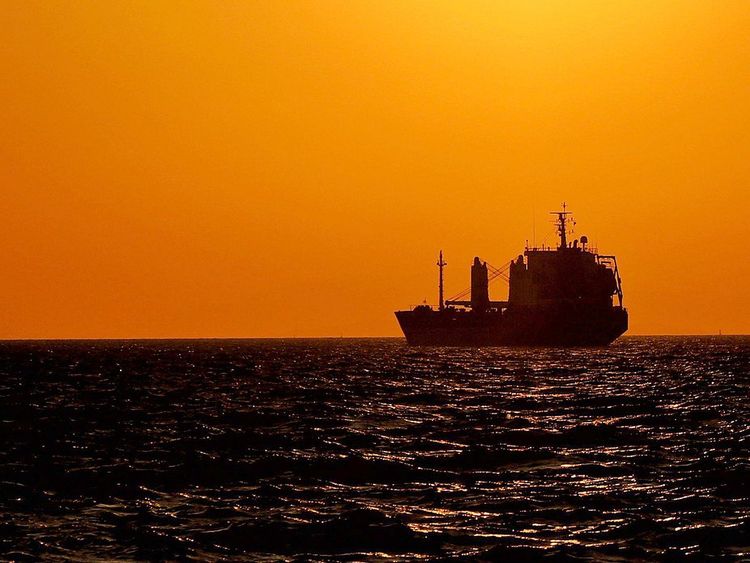
Iran's Revolutionary Guards said Tuesday that two tankers attempting to transit the strait "were hit by explosions, resulting in massive fires that brought them to a standstill." The UK Maritime Trade Operations agency earlier reported that an "unknown projectile" struck a tanker off the coast of Oman.
Despite the escalating military action, Iranian foreign ministry spokesman Esmaeil Baqaei said diplomatic exchanges with Washington through mediators were continuing. Pakistani Prime Minister Shehbaz Sharif called for restraint during a meeting with Iran's Interior Minister Eskandar Momeni, urging all sides to "refrain from actions that could further destabilise the region," his office said.
The US military said Tuesday it had launched an eleventh consecutive night of strikes against Iran, targeting military sites to "further degrade Iran's ability to threaten commercial shipping in the Strait of Hormuz."