Saudi defences intercept Houthi drone and missile strikes targeting Riyadh and southern regions
Saudi Arabia's air defence systems destroyed two drones headed for Riyadh and a ballistic missile targeting Khamis Mushait on Saturday, as a Houthi official described the attacks as a rehearsal for further escalation.
 Sara Khan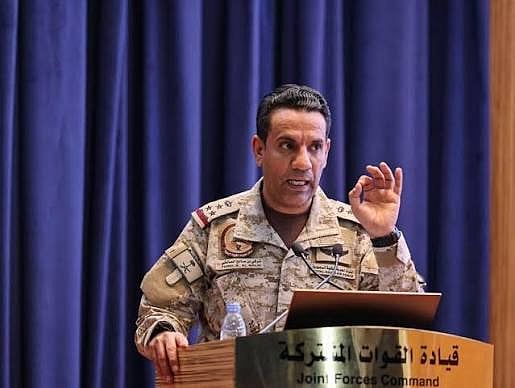
Saudi defences intercept Houthi drone and missile strikes targeting Riyadh and southern regions
Saudi air defence forces intercepted and destroyed two drones launched by Yemen's Houthi movement towards the Riyadh area on Saturday, the Saudi-led coalition announced. Major General Turki Al Malki, spokesman for the Coalition to Support Legitimacy in Yemen, confirmed the unmanned aerial vehicles were neutralised before reaching their intended targets in the capital region.
In a separate incident, coalition forces intercepted and destroyed a ballistic missile fired towards Khamis Mushait in southwestern Saudi Arabia. The city hosts King Khalid Air Base, a major Royal Saudi Air Force facility built by US engineers in the 1960s and 70s that houses F-15 fighter jets and multiple RSAF squadrons, making it a strategically significant military installation.
Houthi Political Bureau member Hezam Alasad characterised Saturday's operation as a "small-scale rehearsal for a full-scale escalation" in a statement issued on the same day. The Houthis have developed sophisticated military capabilities, including long-range drones capable of travelling up to 2,500 kilometres and ballistic missiles with ranges reaching 2,000 kilometres, allowing them to strike deep into Saudi territory from Yemen.
Escalating pattern of attacks
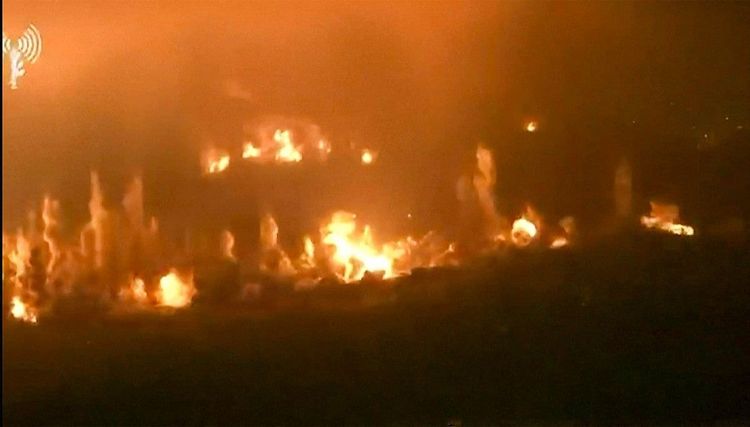
The latest strikes follow a wave of Houthi attacks on September 8, 2026, which wounded 73 people and ignited fires at oil facilities across Saudi Arabia's southern region, marking a significant escalation in the renewed conflict. The attacks targeted multiple cities including Abha, Jazan, Najran and Khamis Mushait.
The resurgence in hostilities comes after a UN-brokered ceasefire from April to October 2022 temporarily reduced fighting. However, the truce was not renewed, and military confrontations have intensified throughout 2026. The broader Yemen conflict, which began when the Saudi-led coalition intervened in March 2015 to support President Abdrabbuh Mansur Hadi's government after Houthi forces seized the capital Sanaa, has resulted in an estimated 377,000 deaths between 2015 and early 2022, with 60 percent caused by indirect factors such as food insecurity and lack of health services, according to UN estimates.
International response and defence arrangements
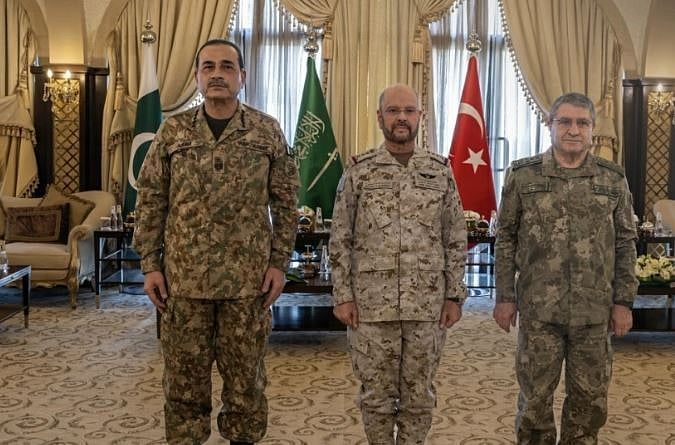
The attacks are testing Saudi Arabia's recently signed mutual defence pact with Turkey and Pakistan, concluded in August 2026. Saudi officials have been meeting with counterparts from both countries to discuss response options under the agreement. France confirmed on September 25 that it is deploying troops to guard the major oil terminal at Yanbu, as international allies rally to support the kingdom amid the escalating threat.
Civil defence measures
Saudi Civil Defence issued warnings in Abha, Khamis Mushait and Jazan during the attacks, later confirming that the immediate danger had passed in the affected areas. Authorities issued detailed safety instructions to residents, urging them to:
- Follow official instructions and remain calm
- Stay indoors and away from windows and glass
- Avoid open areas, balconies and rooftops
- Refrain from filming or taking photographs
- Enter the nearest building or move behind a solid barrier if outdoors
- Pull over away from bridges and high-rise buildings if driving when warnings are received
For emergencies, residents can call 911 in Makkah, Madinah, Riyadh and the Eastern Province, or 998 in other parts of the Kingdom. Authorities emphasised the importance of following updates through official channels.
The pattern of attacks on Saudi infrastructure echoes a March 2022 Houthi missile strike on an Aramco oil depot in Jeddah that triggered a large fire and served as a turning point leading to ceasefire negotiations. The current escalation raises questions about whether similar diplomatic outcomes might emerge from the renewed hostilities.