Iran offers seven-day plan to reopen Strait of Hormuz if Washington lifts blockade
Iranian Foreign Minister Abbas Araghchi has presented a proposal to reopen the strategic waterway within one week if the United States ends its naval blockade, waives oil sanctions, and observes a ceasefire including Lebanon.
 Sara Khan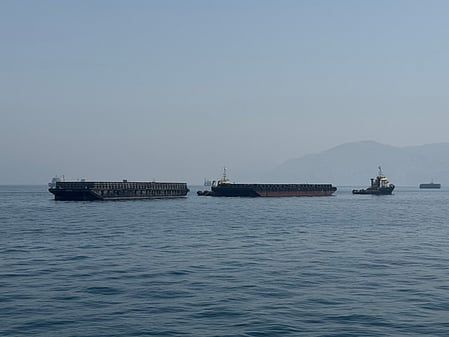
Iran offers seven-day plan to reopen Strait of Hormuz if Washington lifts blockade
Iran has proposed reopening the Strait of Hormuz and resuming nuclear negotiations within seven days if the United States lifts its naval blockade of Iranian ports, waives sanctions on Iranian oil sales, and observes a ceasefire that includes Lebanon.
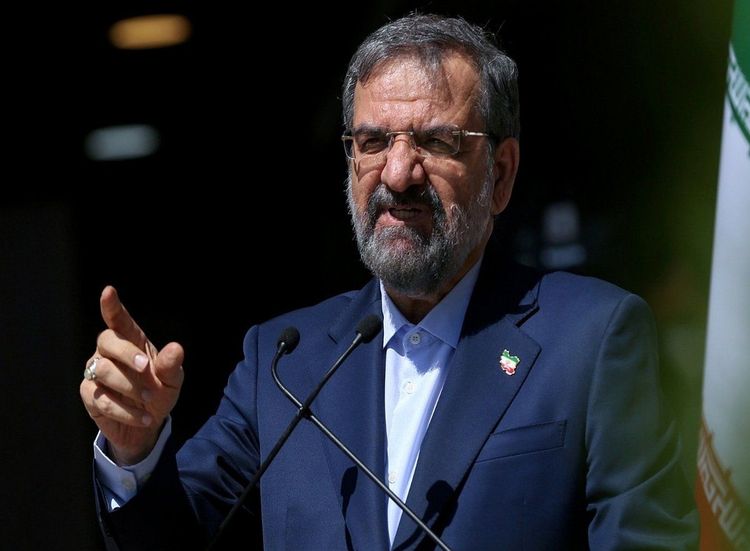
Iranian Foreign Minister Abbas Araghchi, who previously served as a senior negotiator in the 2015 Joint Comprehensive Plan of Action nuclear deal, outlined the proposal to reporters outside the UN Security Council on Friday. The plan would also restart stalled talks with Washington on Iran's nuclear programme.
"The seven-day timeline will start as soon as the United States accepts this plan," Araghchi told reporters.
Phased implementation timeline
According to the foreign minister, initial steps would take four to five days to complete, with the strait reopening on the sixth day. "And on day seven, the talks with the US will be started for the final deal on mutually agreed subjects," he said, referring to Iran's nuclear programme.
The Strait of Hormuz, the only sea passage from the Persian Gulf to the open ocean, has become Iran's primary point of leverage in the ongoing crisis. At its narrowest point, the waterway is approximately 21 nautical miles wide, with shipping lanes in each direction only 2 miles wide, separated by a 2-mile buffer zone. The strait connects the Persian Gulf to the Gulf of Oman and the Arabian Sea, bordered by Iran on its north coast and Oman's Musandam Peninsula to the south.
Global energy impact
In 2025, approximately 25% of global oil trade and 19% of liquefied natural gas trade transited through the strait, with most exports destined for Asian markets including China, India, Japan, and South Korea. Asian countries receive approximately 84-89% of all crude oil and condensate shipped through the waterway, making them particularly vulnerable to the closure.
Iran's disruption of the strait has had far-reaching consequences beyond the Middle East and has posed political challenges for President Donald Trump and his Republican Party ahead of November's midterm congressional elections. Qatar, the world's second-largest LNG exporter with over 112 bcm exported in 2025, has nearly all of its exports transit through the strait, giving the Gulf state a critical stake in resolving the crisis.
The White House said only that US officials are having positive and constructive conversations with mediators over the Iran war. In response to questions, it said the US is facilitating significant oil exports through the Strait of Hormuz.
There was no immediate comment on the proposal from Gulf Arab nations. However, a person familiar with the matter, speaking on condition of anonymity to discuss private deliberations, told The Associated Press that Saudi Arabia was sceptical of the latest push for a deal.
Earlier agreement collapsed
The proposal, conveyed to the US by Qatar, strongly resembles an interim deal reached in June but with an accelerated timetable. An interim ceasefire between the United States and Iran was signed on June 17, 2026, lifting dual blockades, but collapsed on July 8, 2026, when Iran resumed attacks on commercial vessels in the strait. The earlier agreement had called for a 60-day interim period.
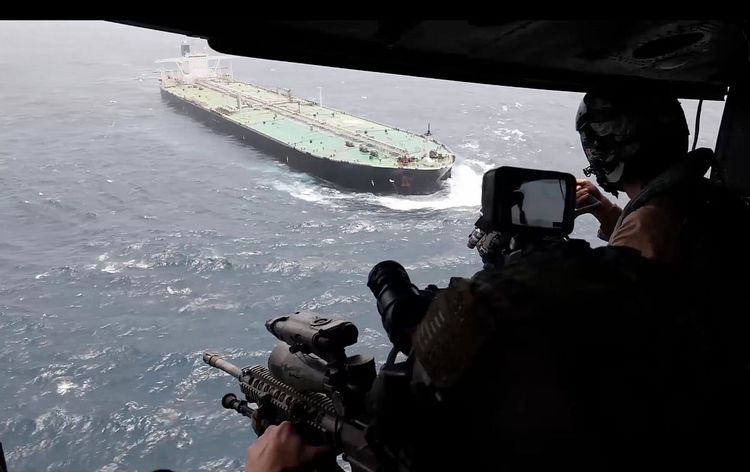
The current crisis began when the United States imposed a naval blockade on Iran beginning April 13, 2026, following the failure of peace talks. Iran responded by closing the Strait of Hormuz to vessels traveling to or from the United States, Israel, and their allies.
The nuclear negotiations referenced in Araghchi's proposal have been stalled since the United States withdrew from the JCPOA nuclear deal in May 2018 during the first Trump administration, citing Iran's missile program and regional policies, and reimposed sanctions on Iran.