US Treasury offers rewards to whistleblowers exposing Iran sanctions evasion networks
Treasury Secretary Scott Bessent appeals to global insiders to report businesses and financial institutions helping Tehran evade sanctions, with rewards of up to 30% of penalties recovered under existing whistleblower program.
 Sara Khan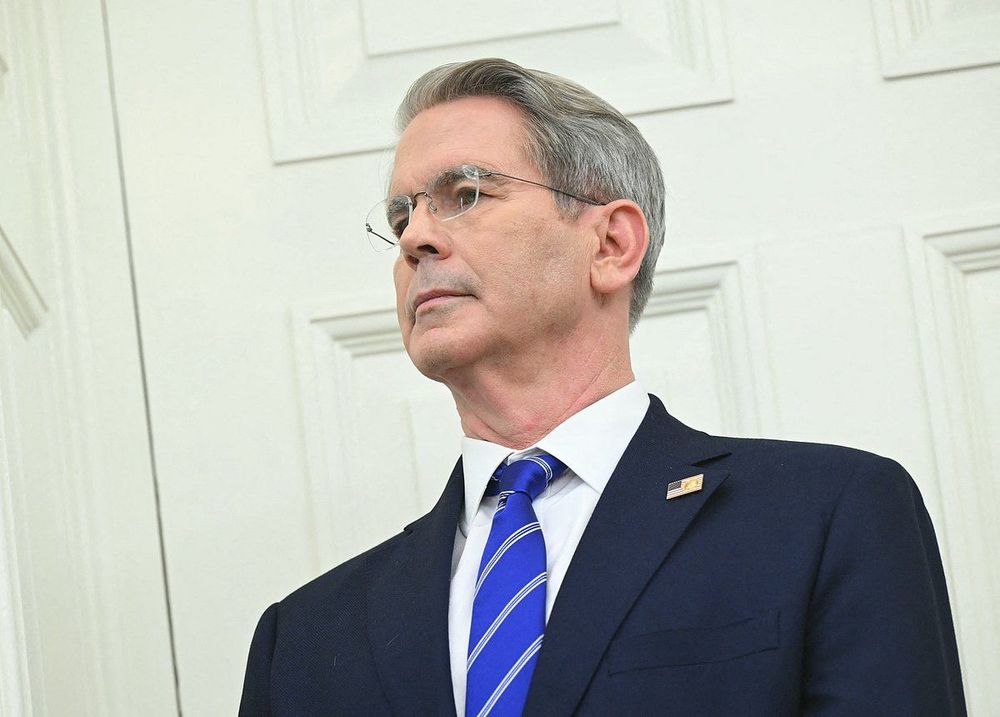
US Treasury offers rewards to whistleblowers exposing Iran sanctions evasion networks
The US Treasury Department has launched a global appeal for whistleblowers to expose businesses, banks and individuals allegedly helping Iran evade sanctions and move money through the international financial system, offering financial rewards for actionable intelligence.
Treasury Secretary Scott Bessent, who assumed office on January 28, 2025, after a career in global investment management including roles at Soros Fund Management and Key Square Capital Management, said the initiative is part of Operation Economic Outcast, formally announced on August 24, 2026, as an unprecedented whole-of-government economic campaign to sever Iran's remaining financial lifelines.
Bessent said people with inside knowledge could be eligible for rewards of 10% to 30% of monetary penalties exceeding $1 million through the existing FinCEN whistleblower program, created under the Anti-Money Laundering Act of 2020 and expanded in 2022. The programme covers tips on sanctions violations, money laundering and Bank Secrecy Act violations, regardless of where whistleblowers live or who employs them.
The appeal effectively turns employees, financial professionals and others with access to sensitive information into potential intelligence sources for the US sanctions apparatus, asking the networks' own insiders to help expose them.
Targeting the financial infrastructure
Bessent urged people who know how money or resources are being channelled to Iran or its alleged proxy networks to come forward. The focus extends beyond Iran-based entities to third-country companies and financial intermediaries that Washington says help Tehran circumvent restrictions.
Operation Economic Outcast has expanded to target five sectors of the Iranian economy: aviation, digital assets, gold, shipping and technology. The campaign also suspended five general licenses effective September 8, 2026, covering educational activities, personal remittances, conference attendance, sports activities and certain academic exchanges with Iran.
Banks, trading companies, aviation businesses, shipping intermediaries and other firms outside Iran can potentially become targets if US authorities determine they are facilitating sanctioned activity. The Treasury has warned foreign institutions that continuing to facilitate Iran-related transactions could expose them to US penalties, including restrictions on access to the US financial system.
Recent enforcement actions
On September 14, Treasury sanctioned Russia's VTB Bank, the country's second-largest financial institution, accusing it of helping Iran develop mechanisms to bypass Western sanctions. VTB, which was already under US sanctions since 2022 following Russia's invasion of Ukraine, has opened offices in Iran, established banking ties with sanctioned Iranian lenders, and facilitated billions of dollars in asset transfers, according to US authorities.
The VTB designation carries broader implications beyond Russia-Iran ties. The bank is reportedly the only Russian bank with a branch in China, which experts say exposes Chinese financial institutions dealing with VTB to Iran-related secondary sanctions risk.
On September 8, Treasury imposed 36 Iran-related sanctions covering Iranian airlines, aviation companies and intermediaries in several countries, including the UAE and Turkey. Treasury has also targeted networks allegedly enabling Hezbollah and Kata'ib Hezbollah, widening the campaign beyond Iran's own institutions.
On August 28, 2026, Treasury's Financial Crimes Enforcement Network proposed a rule to cut off five UAE branches of Egyptian state-owned Banque Misr from US correspondent banking access, alleging the bank processed approximately $1.8 billion for 103 companies potentially part of Iranian shadow banking networks between January 2024 and June 2026.
Bessent said the administration planned further action against a large unnamed bank as part of the campaign.
Economic context and strategy
Despite continuing US sanctions, Iran earned approximately $45.3 billion from oil exports in 2025, down from $46.8 billion in 2024, according to OPEC data. The revenue figures demonstrate Tehran's ability to maintain significant export earnings even under sustained economic pressure.
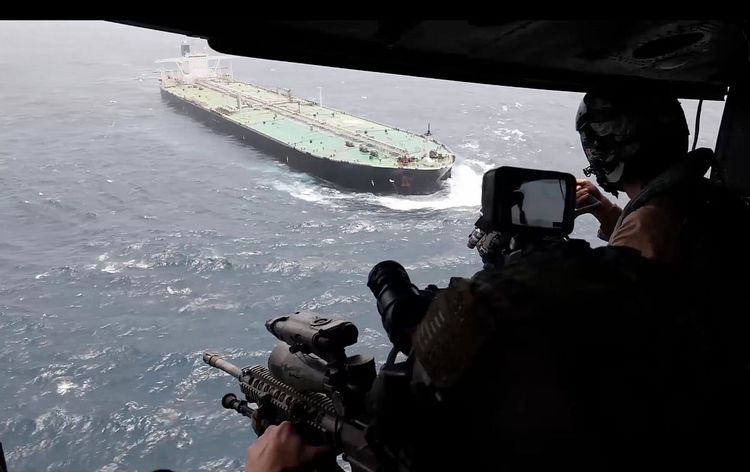
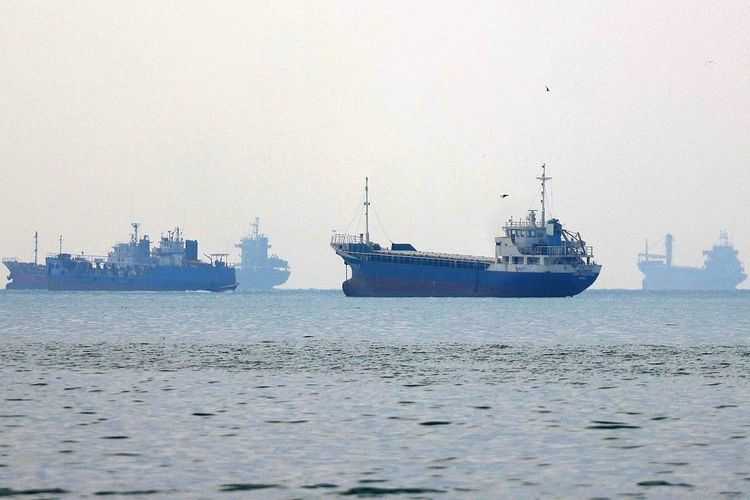
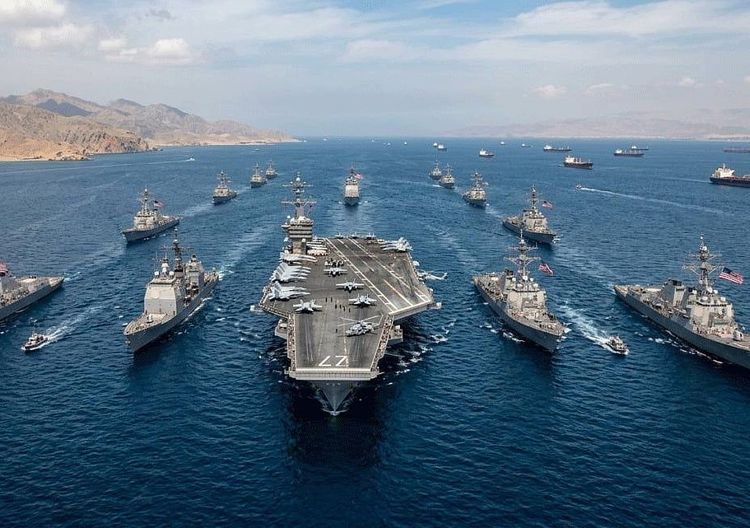
Washington's financial pressure comes as the US-Iran conflict increasingly overlaps with an economic and maritime confrontation. Iran's oil exports, shipping routes and access to foreign currency have been major targets of US pressure, while disruption around the Strait of Hormuz has reduced commercial shipping and added to global oil-price risks.
The strategy reflects a shift from simply sanctioning Iranian organisations to trying to make the entire international network around them too risky to operate. The result is a feedback loop: sanctions make it harder for Iran to earn and move foreign currency, while Tehran and its allies seek alternative financial, shipping and trading channels that Operation Economic Outcast is designed to close.
Why whistleblowers matter
The US government cannot easily see every transaction involving Iranian money, especially when funds move through layers of companies, intermediaries, informal payment systems and third-country jurisdictions. Whistleblowers can provide something sanctions databases cannot: inside information about how the networks actually work.
For companies in the Gulf and elsewhere, the message is also a warning: dealings with Iran that appear distant from the Iranian government or military could still attract scrutiny if Washington believes they ultimately support sanctioned entities.