Iranian crude exports collapse under weight of US naval blockade and expanded sanctions
Independent tracking data shows no Iranian oil crossing US naval blockade in past two months, while Washington intensifies pressure on Tehran's shadow fleet and Chinese refineries purchasing sanctioned crude.
 Sara Khan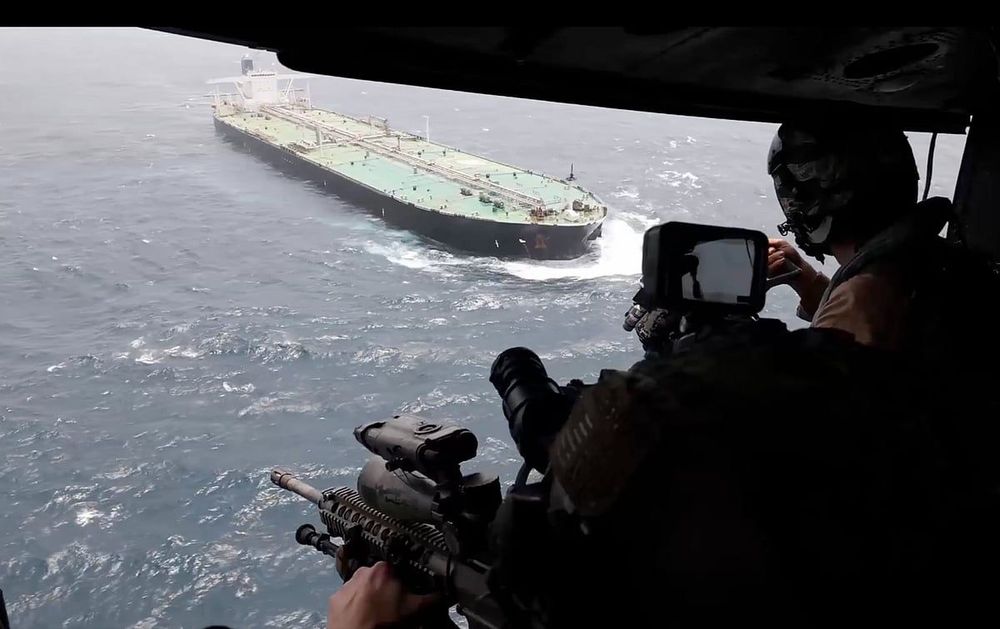
Iranian crude exports collapse under weight of US naval blockade and expanded sanctions
Iranian crude oil has effectively vanished from international markets as a US naval blockade, intensified sanctions and sustained military pressure have severed Tehran's ability to move petroleum through the Gulf of Oman and into global trade channels.
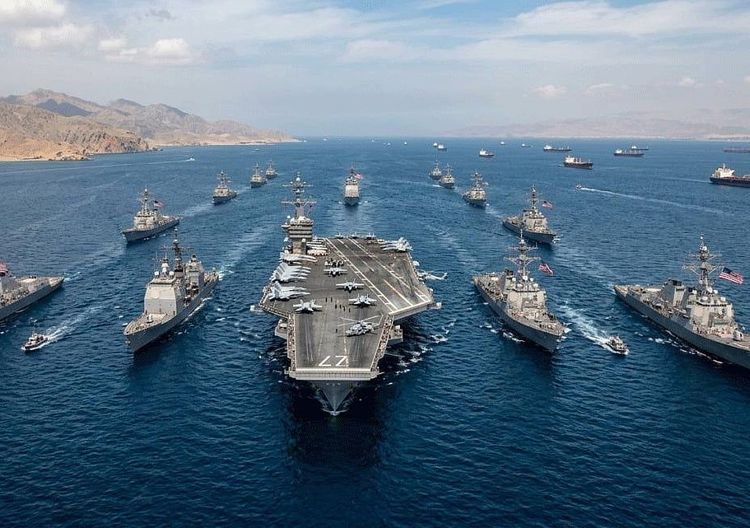
TankerTrackers.com, an independent vessel monitoring service that uses satellite imagery and tracking data to estimate global oil flows, reported that not a single barrel of Iranian crude crossed the US Navy blockade line separating the Gulf of Oman from the Arabian Sea during the previous 60 days. Reuters separately confirmed that the US-enforced blockade on Iran-related shipping has halted Iranian crude exports since its reimposition in mid-July.
The collapse in overseas sales has not produced the massive storage buildup that would typically accompany a sudden export shutdown by a major producer. TankerTrackers estimates that Iranian crude production has declined to approximately the level required for domestic consumption and refining operations. Before sanctions tightened, Iran's production capacity stood at roughly 3.8 to 4.0 million barrels per day, while domestic consumption runs between 1.8 and 2.0 million barrels daily. The current production level suggests the export freeze is being matched by substantial production cuts rather than oil accumulating at Iranian terminals.
Washington targets financial channels and shipping networks
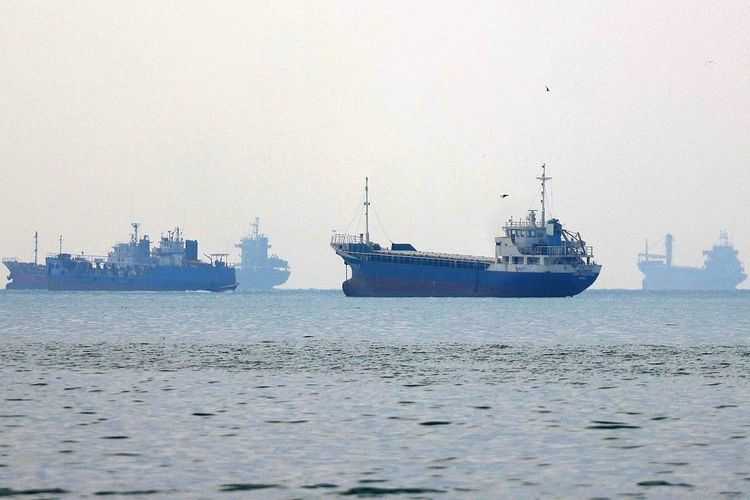
The shipping blockade represents only one component of Washington's campaign to restrict Iranian petroleum revenue. The US Treasury has spent months systematically targeting what officials describe as Iran's shadow fleet—vessels that typically lack proper insurance, use older tonnage, operate under flags of convenience and frequently disable their tracking transponders to avoid detection while transporting sanctioned oil.
In April, Treasury sanctioned Hengli Petrochemical, one of China's largest private refiners with processing capacity of approximately 400,000 barrels per day at its Dalian complex, along with roughly 40 shipping companies and vessels. Treasury characterized the network as providing a financial lifeline to Iran's petroleum industry. China had imported approximately 90 percent of Iran's crude exports before the current sanctions escalation, making it Tehran's most critical market and primary channel for evading trade restrictions.
Treasury expanded the campaign in July by identifying more than 50 individuals, companies and vessels connected to the shipping operations of Mohammad Hossein Shamkhani, who is reportedly the son of Ali Shamkhani, former Secretary of Iran's Supreme National Security Council. The sanctions targeted networks accused of transporting Iranian crude and petroleum products to foreign buyers.
Washington escalated pressure again in August through Operation Economic Outcast, an expansion of secondary sanctions that threaten to penalize foreign companies and financial institutions conducting business with sanctioned Iranian entities, regardless of whether those foreign operations have any US presence. The Treasury Department's Office of Foreign Assets Control, which maintains the Specially Designated Nationals List blocking assets of designated parties and prohibiting transactions with US persons, has continued adding entities throughout September in what officials describe as efforts to sever financial channels used by Iran to smuggle oil and circumvent sanctions.
Blockade reshapes economics of Iranian petroleum trade
The naval blockade has fundamentally altered the commercial calculations surrounding Iranian oil exports. Iran possesses proven crude reserves estimated at approximately 208 billion barrels, ranking fourth globally and representing roughly 12 percent of the world's total proven reserves. The country can continue producing crude for domestic refineries, but moving additional volumes into international waters has become substantially more difficult.
Tankers face interception risks, potential attacks, sanctions exposure and loss of insurance coverage or financial services access. These hazards help explain Tehran's increasing reliance on unconventional shipping arrangements and why some Iranian-linked vessels have attempted to conceal their movements. Ship-to-ship transfers—the practice of moving cargo between vessels while at sea—have grown significantly in the Gulf of Oman as a method to obscure the origin of Iranian crude and evade sanctions tracking.
The pressure has extended beyond crude oil shipments to Iran's broader maritime commerce. On September 10, Tehran temporarily suspended a 10 percent freight charge it had imposed on foreign vessels transporting oil, gas and petroleum products to or from Iran. Reuters reported the measure was intended to reduce shipping costs and encourage foreign vessels to continue serving Iranian trade routes amid the US naval blockade.
Oil remains one of Iran's principal sources of hard-currency revenue, and Treasury has repeatedly described Iranian petroleum sales as a major financial lifeline for the government and military apparatus. US Central Command has stated that the blockade targets only shipping linked to Iranian ports and is designed to eliminate Tehran's oil export capacity while maintaining freedom of navigation for other commercial traffic transiting the Gulf waterways.