Iran issues four-day ultimatum to US over Strait of Hormuz reopening
Tehran demands Washington meet conditions within days or face unspecified consequences as closure of strategic waterway disrupts global energy flows and rattles Asian markets.
 Sara Khan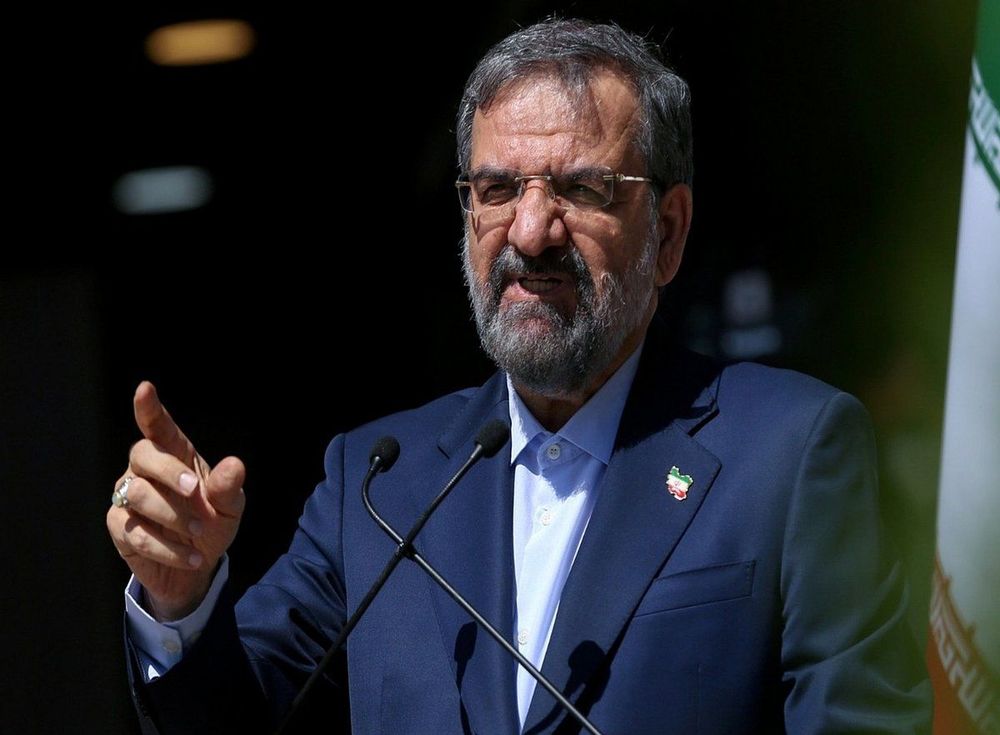
Iran issues four-day ultimatum to US over Strait of Hormuz reopening
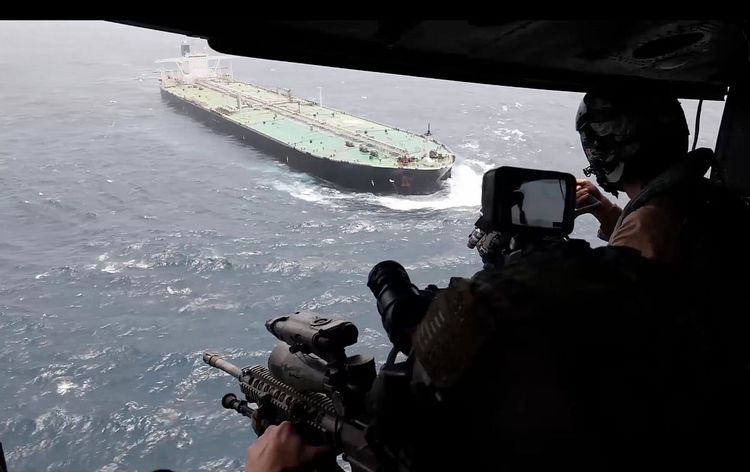
Iran has issued a four-to-five-day deadline for the United States to meet its conditions for reopening the Strait of Hormuz, escalating tensions over the strategic waterway that handles approximately 20 to 21 million barrels of oil per day — roughly one-fifth of global petroleum consumption and a quarter of all seaborne oil trade.
Mohsen Rezaei, secretary of Iran's Supreme National Security Council, said Tehran had given Washington a matter of days to implement its conditions in full. He did not specify what Iran would do if Washington rejects them, saying Tehran would decide its next step after the deadline expires.
Rezaei, who commanded the Islamic Revolutionary Guard Corps from 1981 to 1997 during the Iran-Iraq War and was appointed to his current position on August 9, 2026, said the conditions must be implemented completely and all at once. He added that Iran would not reopen Hormuz or proceed with negotiations unless Washington acts first.
"Talk is enough. Negotiations are enough. Now we must act," Rezaei said, according to The Guardian.
Unprecedented closure tightens energy markets
The closure of the Strait of Hormuz represents an unprecedented action by Iran. Even during the 1980s Tanker War, when more than 400 vessels were attacked during the Iran-Iraq conflict, Tehran never completely sealed the waterway.
The current disruption extends beyond crude oil. The strait also handles approximately 20 percent of global liquefied natural gas trade, including 93 percent of Qatar's and 96 percent of the UAE's LNG exports. The narrow shipping lanes — just two miles wide in each direction, separated by a two-mile buffer zone within the 21-mile-wide passage between Oman and Iran — make the waterway vulnerable to Iranian control.
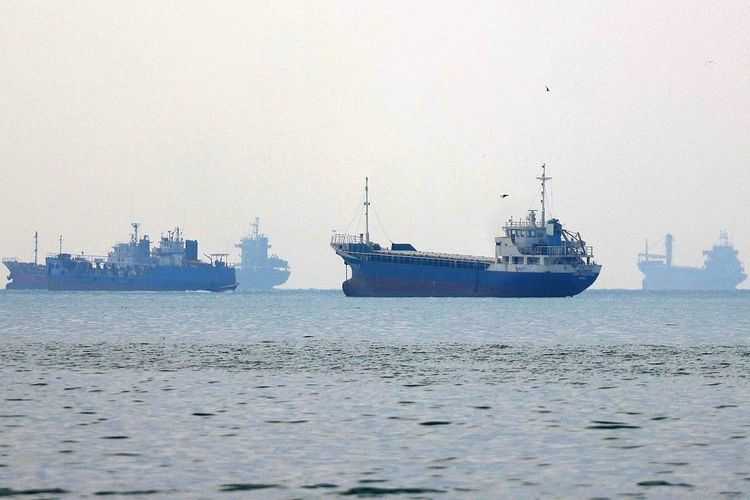
Shipping through Hormuz remains severely depressed. Preliminary data cited by Reuters showed 10 commodity vessels crossed the strait on Wednesday, up from seven the previous day but still below the 10-day average of about 17. The figures exclude vessels that may have switched off their transponders.
The disruption has hit Asian markets particularly hard. Approximately 82 percent of crude oil and condensate moving through Hormuz in 2022 went to Asian destinations, with China, India, Japan, and South Korea accounting for 67 percent of all flows. The closure has contributed to higher oil prices and raised concerns among major energy-importing economies across the region.
Tehran puts conditions on table
Rezaei's remarks marked a harder line than earlier Iranian statements, which had suggested the strait could reopen within seven days if the US eased military pressure and lifted its blockade of Iranian ports.
Iranian officials have indicated that the conditions include lifting US sanctions and ending military action on all fronts. Iranian Foreign Minister Abbas Araghchi conveyed seven preconditions during discussions in New York, including the lifting of US sanctions and an end to the war on all fronts, according to The Guardian.
The Iranian regime wanted Washington to formally declare that it was seeking a diplomatic solution and agree on a timetable for negotiations. Tehran's proposal had been delivered to the US through mediators on September 16.
Warning of wider escalation
The Hormuz ultimatum comes with warnings that the conflict could spread beyond the immediate theatre. Senior Iranian military figures have suggested that any further US escalation could trigger Iranian retaliation elsewhere.
Major General Rahim Safavi warned that a new conflict front could emerge around the Red Sea and Bab al-Mandab Strait, a crucial shipping route near Yemen. The Bab al-Mandab, approximately 30 kilometers wide at its narrowest point, serves as the gateway between the Red Sea and the Gulf of Aden, connecting Asian producers with European and North American markets via the Suez Canal.
Iranian officials have increasingly framed the crisis as a choice for Washington: reduce military pressure and pursue diplomacy, or face further escalation. At the same time, President Trump has said the Iranian regime has signalled that it is willing to make a deal.
Diplomatic talks continue
The deadline comes as Iranian Foreign Minister Abbas Araghchi and US special envoy Steve Witkoff have held discussions on the sidelines of the UN General Assembly. Witkoff, a real estate magnate appointed by President Trump as Special Envoy to the Middle East, has been leading negotiations with Araghchi despite having no prior foreign policy experience.
Washington has played down expectations of an immediate breakthrough. US Secretary of State Marco Rubio said it would be wrong to characterise the discussions as a major breakthrough, according to The Guardian.
The diplomatic channel remains open, but the four-to-five-day deadline raises the stakes considerably. For global energy markets, the immediate question is whether Washington responds to Tehran's conditions — and whether Iran follows through on its threat to keep Hormuz closed if it does not.