Iran proposes seven-day Hormuz reopening plan as Trump reportedly declines, Saudi forces intercept Houthi drones
Tehran offers detailed proposal to restore navigation through strategic waterway within one week, but US President dismisses conditions. Saudi air defences down two drones targeting Riyadh as regional military alliance strengthens.
 Sara Khan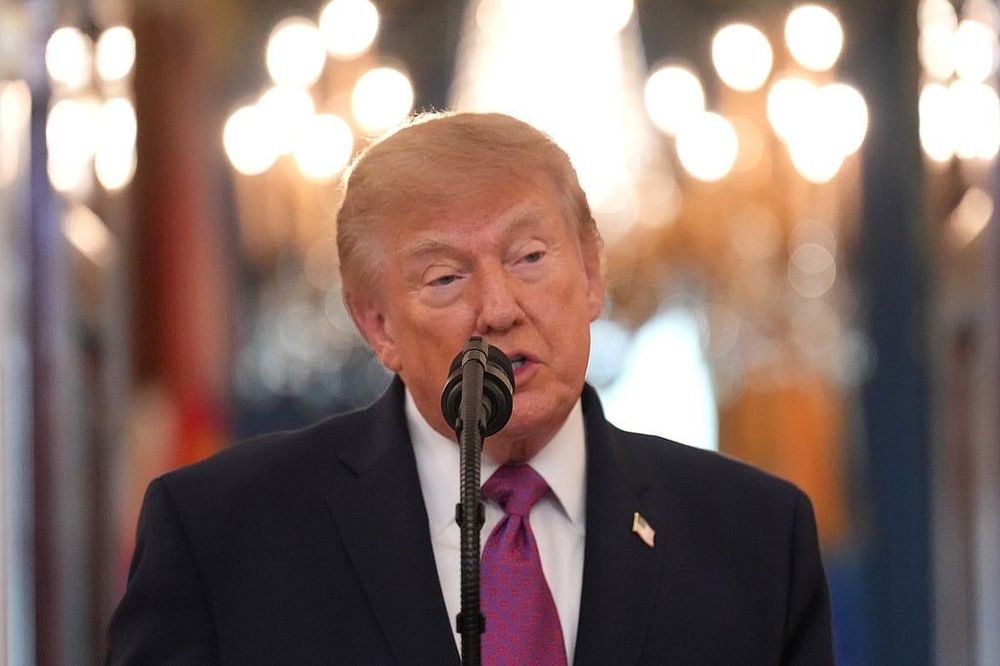
Iran proposes seven-day Hormuz reopening plan as Trump reportedly declines, Saudi forces intercept Houthi drones
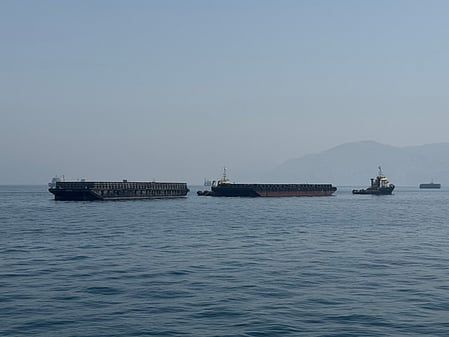
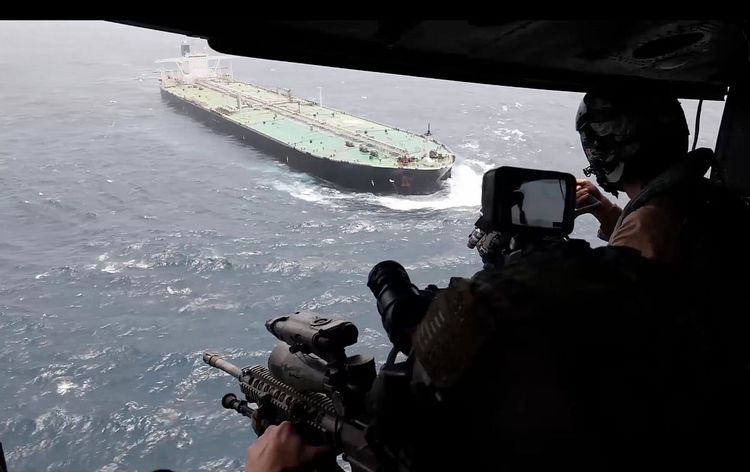
Iran has presented Washington with a concrete plan to reopen the Strait of Hormuz to maritime traffic within seven days, but reports indicate US President Donald Trump has rejected the proposal, prolonging a standoff over the waterway that handles approximately 20-21 million barrels of oil per day under normal conditions.
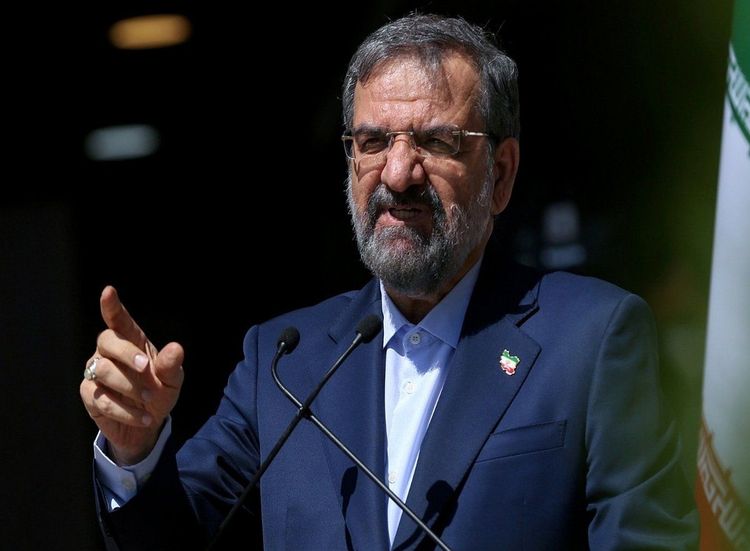
Iranian Foreign Minister Abbas Araghchi outlined the plan at the United Nations on Friday, saying Tehran had conveyed the seven-day roadmap to the United States through Qatari intermediaries. The proposal calls for a cessation of all hostilities across the Middle East, the release of frozen Iranian assets, the lifting of oil sanctions and an end to the US naval blockade of Iranian ports.
"If the necessary conditions are met, the strait can be reopened, and normal maritime passage restored within seven days. The choice now rests with the United States. Iran does not accept coercion, threats, or intimidation, and Iran will not surrender its sovereign rights under pressure."
The strategic waterway, just 39 kilometres wide at its narrowest point with shipping lanes only 3.2 kilometres wide in each direction, normally carries about 20 percent of global petroleum consumption and roughly 25 percent of all seaborne oil trade. It also handles approximately 20 percent of global liquefied natural gas trade, with about 93 percent of Qatar's and 96 percent of the UAE's LNG exports transiting through the passage.
Media reports citing US officials said Trump turned down the Iranian proposal within hours of its transmission. An Iranian source described by Fars News as informed later disputed reports of new negotiations, calling Western coverage "manufacturing news" intended to influence oil markets.
The proposal includes releasing frozen Iranian funds estimated at approximately 12 billion dollars as part of the package, though Iran holds more than 100 billion dollars in inaccessible assets across countries including South Korea, China, Japan, Iraq and Luxembourg. A senior Iranian official told Reuters on Friday that Tehran would make no concessions over its nuclear programme even if Washington accepted the Hormuz plan.
Shipping through the strait has collapsed during the conflict, with only nine vessels transiting on Thursday compared to a normal daily flow of approximately 88 commercial ships. The 10-day rolling average has fallen to around 18 vessels.
Saudi forces intercept drones near capital
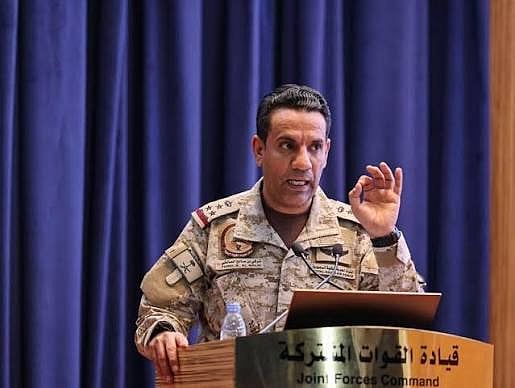
The Saudi-led coalition battling Yemen's Houthis said on Saturday that its air defences intercepted and destroyed two drones launched by the Iran-backed group towards Riyadh. A coalition spokesman said forces also intercepted and destroyed a Houthi ballistic missile targeting Khamis Mushait, a southwestern city home to an air base.
The Houthis, who seized control of Yemen's entire Red Sea coastline by September 11 in a rapid offensive that began in early August, have imposed a naval blockade on Saudi Arabia while hitting tankers and territory with missiles and drones. Hezam Alasad, a member of the Houthi Political Bureau, said Saturday that "despite the operation's strength, scope, and impact, our armed forces view it as merely a small-scale rehearsal for a full-scale escalation."
The UN Security Council on Friday condemned the escalating attacks in a rare show of unity. "The members of the Security Council condemned, in the strongest terms, continued Houthi attacks against the Kingdom of Saudi Arabia, including attacks impacting civilian and energy infrastructure, which have resulted in the injury of civilians, including women and children," said French UN envoy Jerome Bonnafont, delivering a joint statement.
Defence alliance mobilises military chiefs
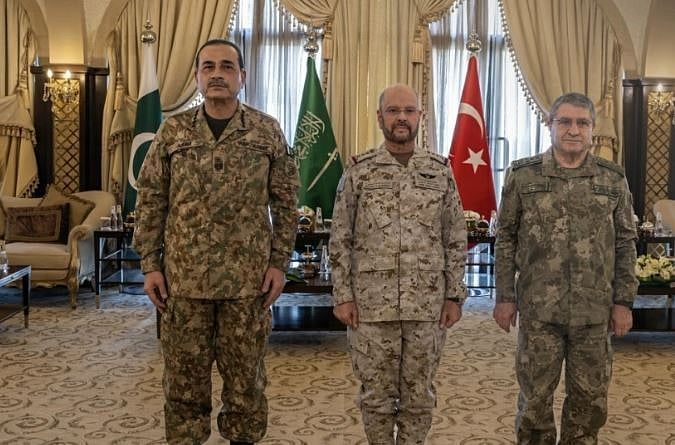
Saudi Arabia, Pakistan and Turkey prepared urgent talks among their military chiefs on Friday to discuss support for Riyadh under the Mecca Joint Defence Agreement signed on August 7. The pact, modelled on NATO's Article 5 collective defence principle, stipulates that any armed attack against one of the three states shall be regarded as an attack against them all.
Turkey's Chief of General Staff General Selcuk Bayraktaroglu travelled to the Saudi capital for the meeting, the Turkish Defence Ministry said. The three countries combine nearly 1.4 million active military personnel, 3,400 aircraft, 6,000 tanks and more than 340 naval assets, with Pakistan serving as the Muslim world's only nuclear-armed nation.
Saudi Defence Minister Prince Khalid bin Salman met Pakistan's Chief of Army Staff and Chief of Defence Forces Field Marshal Asim Munir following the chiefs of staff meeting. Prince Khalid said they reviewed outcomes and discussed responses to attacks targeting Mecca and Saudi Arabia's civilian and economic infrastructure.
Pakistan's Prime Minister Shehbaz Sharif told the UN Friday that further attacks on Mecca would be a "red line" for Islamabad. "We once again condemn, in the strongest possible terms, the recent deplorable attacks by the Houthis against the Kingdom of Saudi Arabia," Sharif said. "The attempted drone attack on the holy city of Mecca Al Mukarramah has outraged Muslims across the globe."
The head of Yemen's governing body called for general mobilisation on Friday to counter the Houthis. Rashad Al Alimi, who heads the Presidential Leadership Council, said anyone defecting from the Houthis would be pardoned in an upcoming amnesty.
Energy markets and alternative export routes
Saudi Arabia has dramatically increased crude oil exports through Yanbu port on the Red Sea to approximately 3.8-4.4 million barrels per day, using its East-West pipeline to bypass the blocked Strait of Hormuz. Before the conflict, the Kingdom exported approximately 6.4 million barrels per day through Hormuz and only 800,000 barrels per day via other routes in February. Saudi Arabia aims to reach 5 million barrels per day export capacity from Red Sea terminals.
Trump said Friday he had discussed the Iran war with visiting Chinese President Xi Jinping, following allegations that Beijing has been supporting Tehran. "We did, we did," Trump said when asked if they had talked about Iran. Asked about progress on reopening Hormuz, Trump replied: "I think we're going to do great."
Bahrain confirmed Friday it would join the multinational Falcon Strike task force under US Central Command and purchase additional munitions and air defence systems, the US Embassy said following military consultative meetings in Manama.