Rubio declares Iran ceasefire 'invalid' after shipping attacks but keeps diplomatic door open
US Secretary of State Marco Rubio says Iran's repeated attacks on commercial vessels have nullified the June agreement, though Washington remains willing to negotiate if Tehran complies with commitments.
Rubio declares Iran ceasefire 'invalid' after shipping attacks but keeps diplomatic door open
US Secretary of State Marco Rubio declared Wednesday that Iran's continued attacks on commercial shipping have rendered a recent peace agreement "invalid," yet emphasized that Washington remains open to future diplomacy if Tehran honors its obligations.
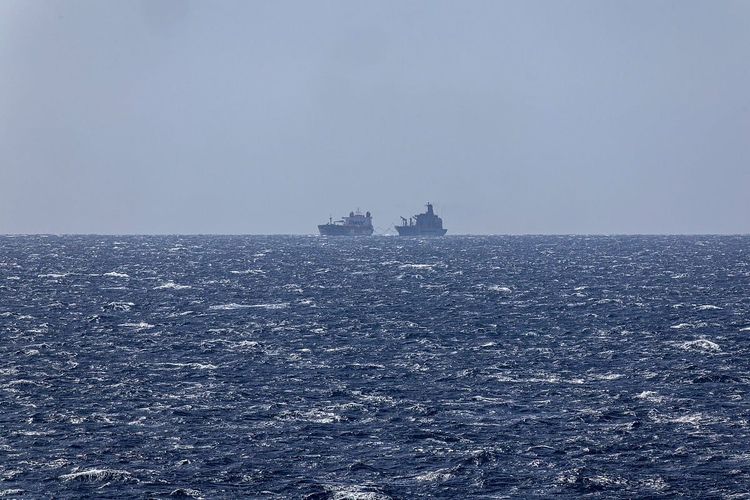
Speaking in Manila during the ASEAN Foreign Ministers' Meeting, Rubio addressed escalating tensions in the Strait of Hormuz, where Iranian forces have repeatedly launched attacks on vessels transiting the strategically vital waterway.
"If you sign onto an agreement, and then you violate the agreement, the agreement's no longer valid. That doesn't mean you can't have a future agreement, but ultimately, that future agreement will have to be judged on whether or not you're complying with the conditions."
Rubio, who became the 72nd US Secretary of State in January 2025 following a unanimous 99-0 Senate confirmation, added that the United States is "open to diplomacy" and "working it out in a negotiated way," but cautioned that "right now, they don't seem to be serious about that."
Strategic waterway under threat
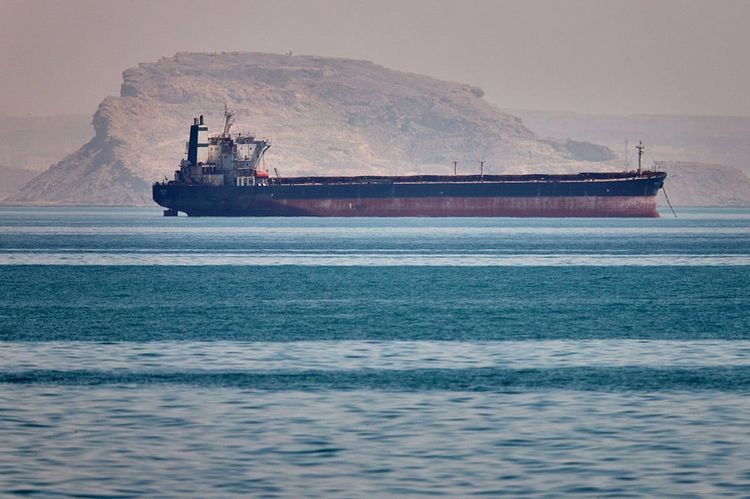
The comments follow months of Iranian military action targeting commercial shipping in the Strait of Hormuz, a narrow passage that handles approximately 20 million barrels of oil per day — roughly 20 percent of global oil consumption and 25 percent of all seaborne oil trade. The waterway also carries about 19 to 20 percent of global liquefied natural gas trade, with 93 percent of Qatar's and 96 percent of the UAE's LNG exports passing through it.
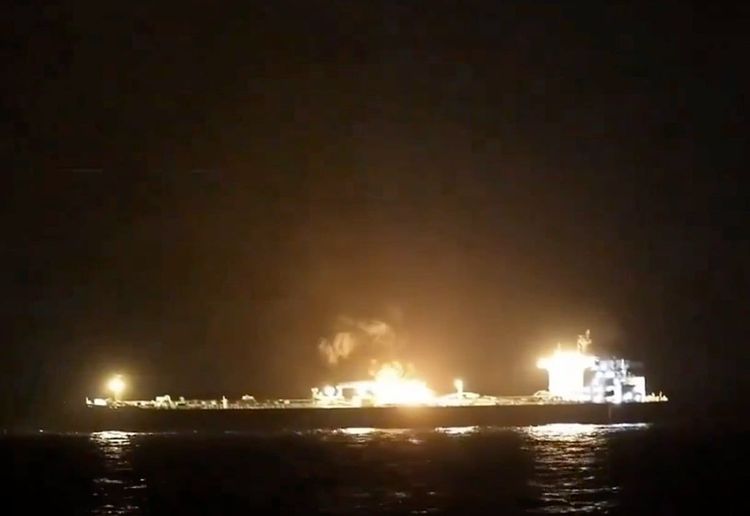
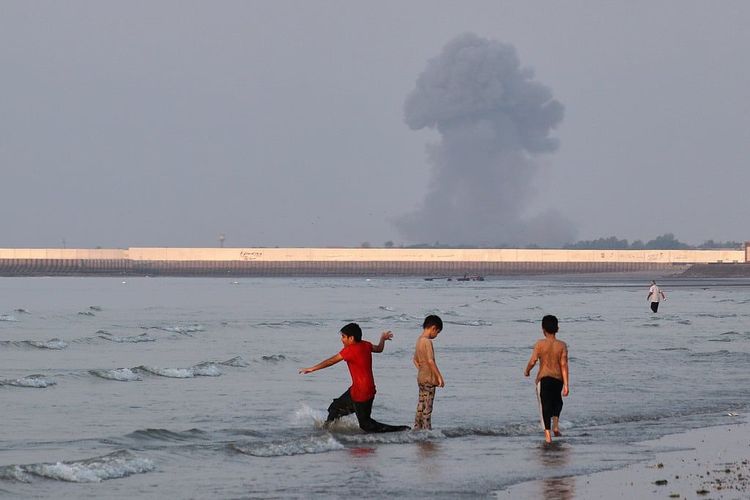
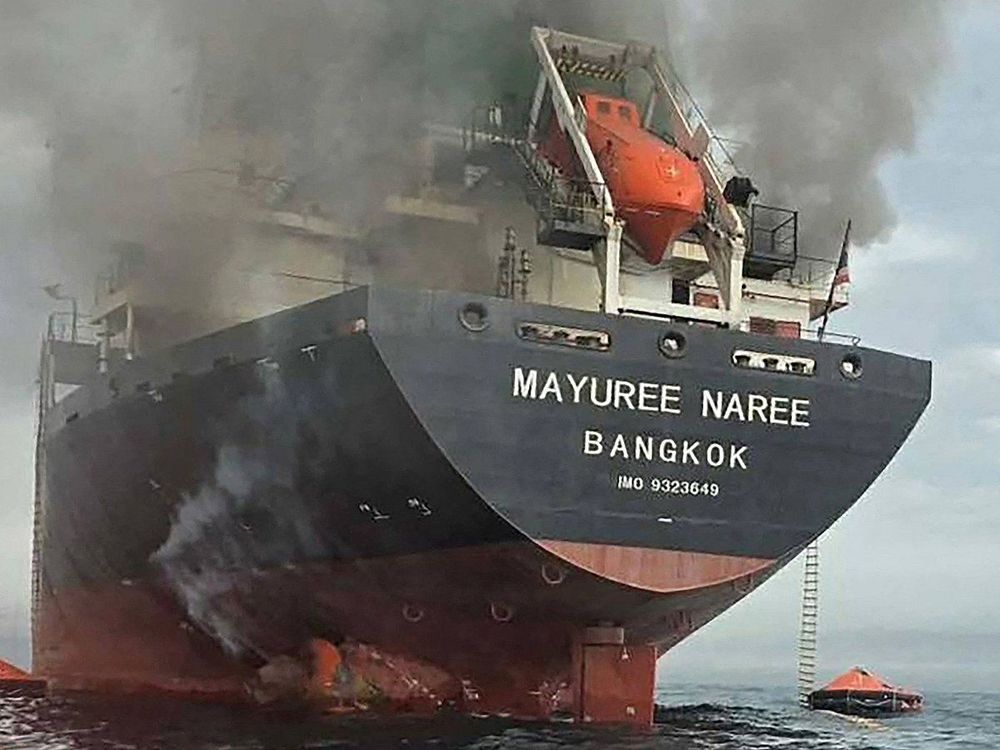
According to US Central Command, Iran has attacked over 30 commercial ships in the strait as part of ongoing regional hostilities. At least nine vessels have been targeted since early July, as Tehran attempts to force commercial traffic through its territorial waters rather than the US-backed Omani coastal route.
The United States and Iran reached a temporary Memorandum of Understanding in mid-June 2026, known as the Islamabad Memorandum, which established a 60-day negotiating window on sanctions, nuclear issues, and freedom of navigation. The agreement called for an immediate cessation of military operations and restoration of commercial navigation through the Strait of Hormuz, with the US insisting the waterway remain toll-free and open to international shipping.
However, the deal has since frayed. Iran has asserted control over the strait and sought to impose fees on transiting vessels, prompting US objections that such moves set dangerous precedents. Since the agreement was signed on June 17, Iran has conducted multiple drone and missile attacks on cargo ships, including strikes on vessels like the Singapore-flagged Ever Lovely.
US responds with military action
The United States has responded with repeated airstrikes targeting Iranian missile and drone storage sites, coastal radar installations, air defenses, and related infrastructure to degrade Tehran's ability to threaten shipping. The administration has emphasized burden-sharing with international partners for maritime security while rejecting any Iranian claim to levy charges on the international waterway.
Rubio made his remarks during the 59th ASEAN Foreign Ministers' Meeting in Manila, held from July 18-24 under the theme "Navigating Our Future, Together." The Philippines is serving as ASEAN Chair for 2026, and the summit included dialogue sessions with major powers including China, India, Japan, the United Kingdom, the European Union, and Russia, making it a significant venue for great-power diplomacy.
The timing of Rubio's statements carries additional weight, as the July 24 events included commemorative activities marking the 50th anniversary of the Treaty of Amity and Cooperation in Southeast Asia, a foundational document promoting peaceful coexistence in the region.
Oil markets have remained volatile amid the tensions. The US military launched its 11th consecutive night of strikes on Iran overnight Wednesday, and the situation remains fluid as both sides maintain military pressure while keeping diplomatic channels technically open.
Rubio's comments underscore the administration's dual-track approach: maintaining military operations to protect commercial vessels while signaling continued willingness to negotiate. However, he made clear that any future agreement must be credible and enforceable, with Iran demonstrating genuine compliance rather than rhetorical commitment.