Iran warns US asset seizure plan sets 'incendiary precedent' for global finance
Foreign Minister Abbas Araghchi condemned US plans to redirect frozen Iranian assets to compensate shipping victims, warning the move could destabilize international financial norms as American strikes continued for the 13th night.
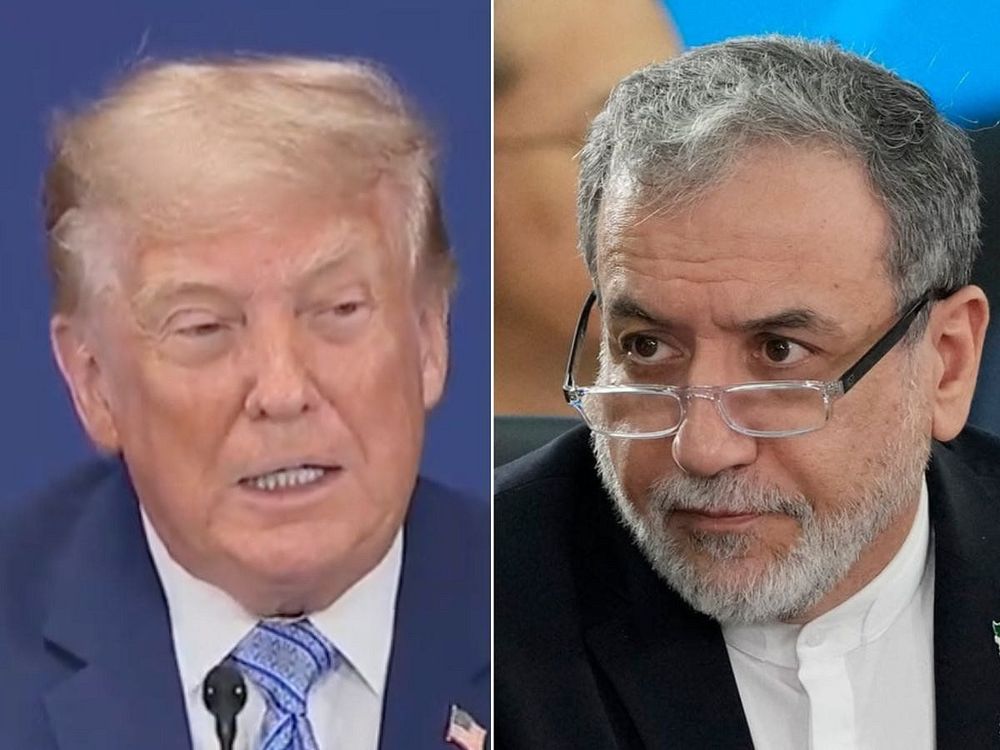
'No one's assets are safe': Araghchi, Iran's top diplomat, warns US asset seizure sets 'incendiary precedent'
Iran's Foreign Minister Seyed Abbas Araghchi issued a sharp warning on Friday that US plans to seize Iranian assets for compensation claims threaten to unravel decades of international financial norms, as American forces struck Iranian targets for the 13th consecutive night.
Writing on social media platform X, Araghchi characterized the Trump administration's proposal to redirect frozen Iranian funds as an unprecedented assault on sovereign property rights that could trigger global instability. "Seizing another nation's assets to pay for unrelated future claims is an incendiary precedent," he wrote. "Those who celebrate or profit from such funds should remember: once governments normalise confiscation, no one's assets are safe."
Strikes target Iran's oil heartland
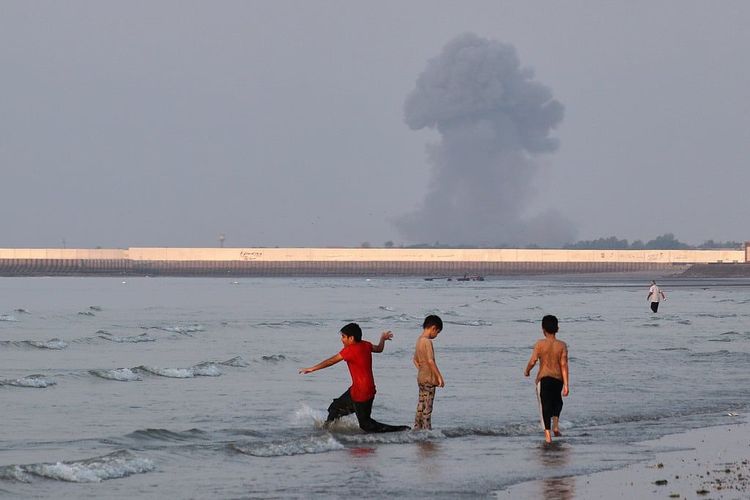
The diplomatic clash unfolded as US forces conducted large-scale attacks on Ahvaz, capital of Khuzestan Province, delivering more than 35 strikes by early Friday morning. The province houses approximately 80 percent of Iran's onshore oil reserves and 57 percent of its total reserves, contributing an estimated 15 percent to the country's GDP. The Ahvaz oil field alone produces roughly 750,000 barrels daily from proven reserves estimated at 65.5 billion barrels, making it Iran's largest producing field.
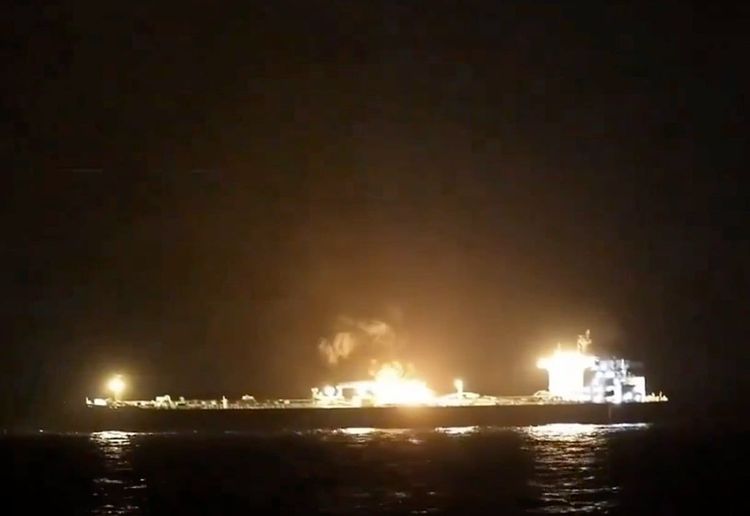
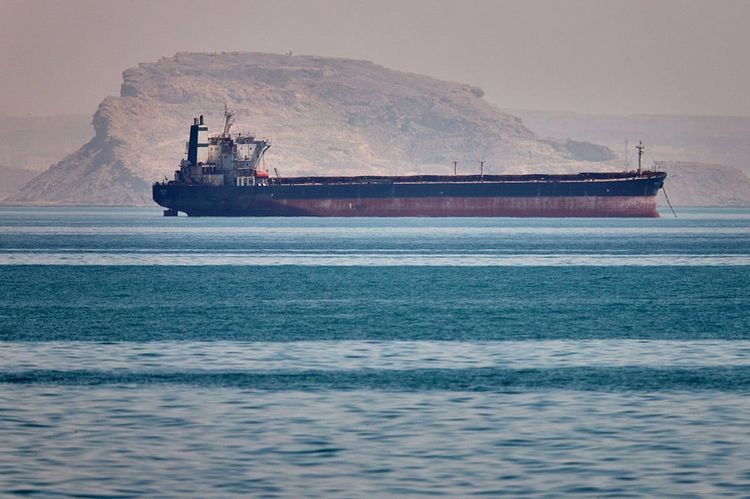
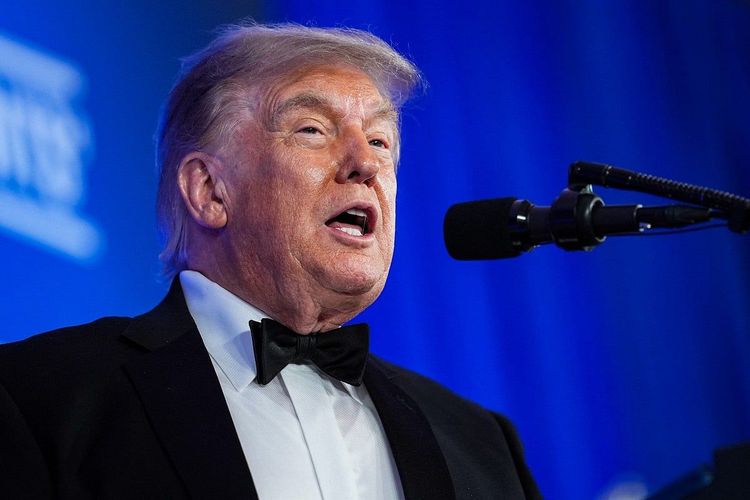
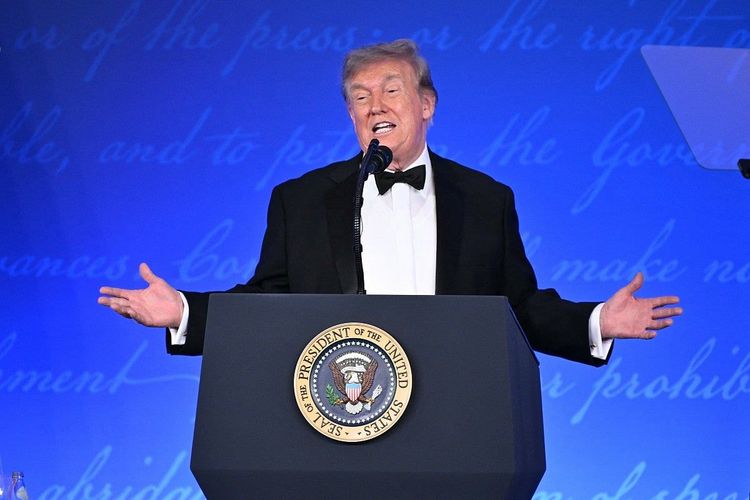
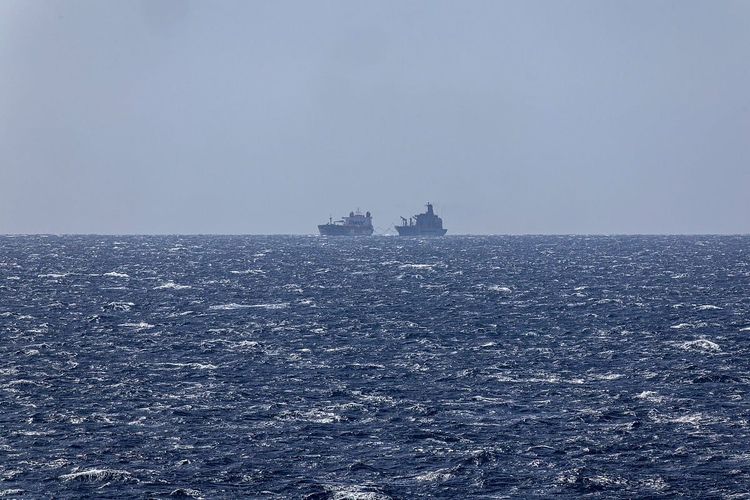
Araghchi's statement follows President Trump's announcement that frozen Iranian assets would be used to compensate commercial vessels damaged by Iranian forces while transiting the Strait of Hormuz. The strategic waterway carried approximately 20 million barrels per day of crude oil and petroleum products in 2024, representing roughly one-quarter of global petroleum consumption and one-third of seaborne crude trade. Asian markets receive 84 to 89 percent of oil transiting the strait, with China and India together accounting for 44 percent of flows.
Decades of frozen assets
Iran holds an estimated $100 billion or more in overseas assets frozen under successive waves of US and international sanctions dating back to 1979, when President Jimmy Carter froze approximately $12 billion in Iranian government holdings following the US embassy seizure in Tehran. Most of those initial assets were released under the 1981 Algiers Accords that ended the 444-day hostage crisis.
Asset releases have repeatedly served as diplomatic currency in US-Iran negotiations. Following implementation of the 2015 nuclear agreement in January 2016, Iran regained access to approximately $100 billion held in countries including China, India, Japan, South Korea and Turkey. When the Trump administration withdrew from that agreement in 2018, sanctions returned.
More recently, approximately $6 billion in Iranian oil revenues held in South Korea were transferred to restricted accounts in Qatar in 2023 as part of a prisoner exchange arrangement. However, access to those funds was effectively re-frozen following the October 2023 Hamas attacks on Israel.
Legal battles and precedents
The asset dispute has generated significant international legal conflict. In 2016, the US Supreme Court mandated that approximately $2 billion in Iranian central bank assets be transferred to survivors and relatives of victims of the 1983 bombing of US Marine barracks in Beirut. That ruling prompted Iran to file a case at the International Court of Justice.
In 2023, the ICJ ruled that the US had violated the 1955 Treaty of Amity with Iran by freezing certain assets and ordered Washington to pay compensation, though the amount remains to be determined. However, the court found it lacked jurisdiction over the $1.7 billion in central bank assets held in a Citibank account in New York. The ICJ, established after World War II as the UN's top court for resolving disputes between member states, issues binding rulings that cannot be appealed but has no enforcement mechanism.
Fragile ceasefire under strain
The asset controversy emerges against the backdrop of a fragile ceasefire following months of direct military confrontation involving the United States, Israel and Iran earlier this year. That escalation, which included strikes on Iranian targets and Iranian retaliatory actions, strained regional infrastructure and economies.
Under the Trump administration, negotiations have produced an interim memorandum of understanding aimed at de-escalation, including steps toward reopening the Strait of Hormuz to safe commercial traffic and frameworks for longer-term nuclear discussions. Releases or access to frozen funds, often routed through third countries with Treasury oversight for humanitarian purchases like food and medicine, remain central bargaining elements.
Recent reports indicate the administration has explored using portions of frozen Iranian assets to compensate Gulf states for damages incurred during Iranian retaliatory strikes or to cover potential future claims. Iranian officials view this redirection, rather than outright release to Tehran, as effectively confiscating sovereign property to settle unrelated disputes outside normal legal and diplomatic channels.
As of Friday, the ceasefire remains in place but under strain, with periodic accusations of violations from both sides and ongoing Israeli actions against Iran-linked targets in Lebanon. Araghchi has used public statements to push back against perceived US overreach while signaling Iran's continued interest in a balanced longer-term agreement, provided threats cease and commitments are honored.
US Treasury and administration officials have not immediately responded to Araghchi's latest remarks. Earlier statements emphasized that any asset-related measures would prioritize accountability, humanitarian safeguards and regional stability rather than direct cash transfers to Iran.
The dispute underscores the deep mistrust that continues to complicate efforts to translate the interim understanding into a durable agreement. Negotiations are expected to continue in coming weeks, with asset access, sanctions relief and nuclear limits remaining core flashpoints.