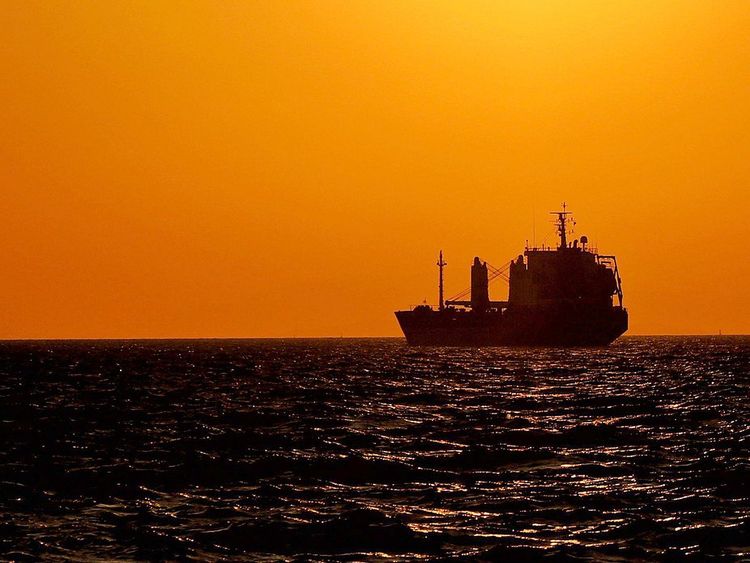
Kuwait delivers formal protest to Iran over tanker attack in Strait of Hormuz
Kuwait summoned Iran's ambassador to protest the targeting of tanker Kaifan that injured crew members, as emergency teams contained fires at power and desalination facilities hit in the fourth consecutive day of attacks.
Kuwait delivers formal protest to Iran over tanker attack in Strait of Hormuz
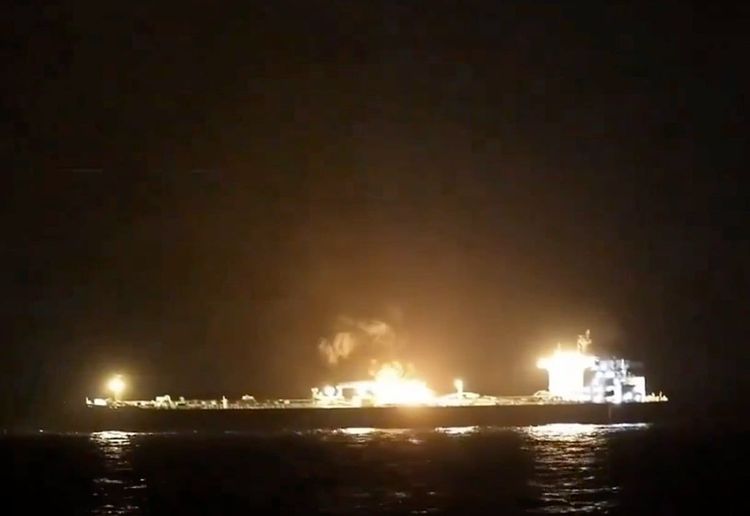
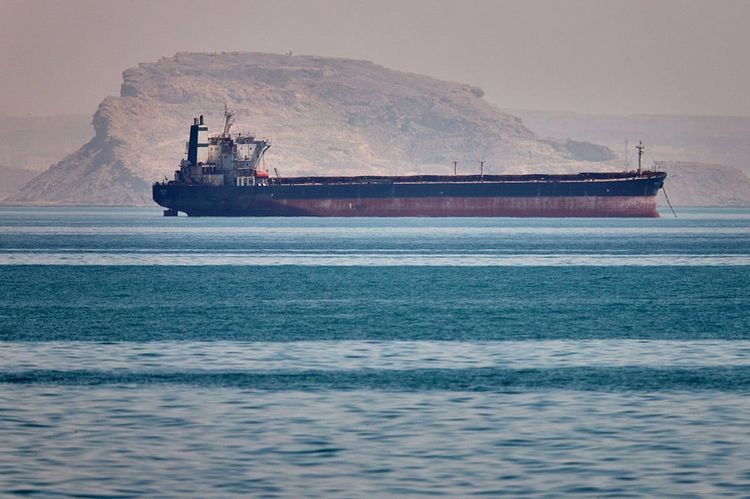
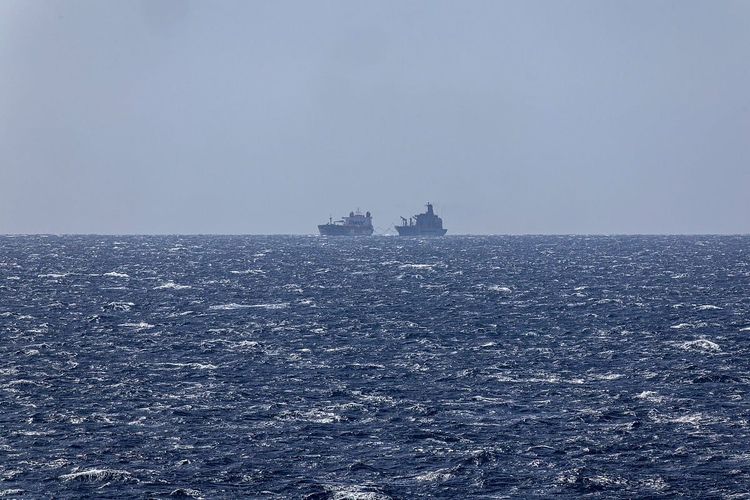
Kuwait's Ministry of Foreign Affairs summoned Iranian Ambassador Mohammad Totonchi today to deliver a formal protest following Iran's targeting of the Kuwaiti tanker Kaifan in the Strait of Hormuz on Monday evening. The attack injured several crew members and took place in one of the world's most critical energy chokepoints, through which approximately 20 million barrels of oil transit daily, representing about 20% of global oil consumption and 25% of all seaborne oil trade.
The diplomatic action came as power generation and water desalination facilities across Kuwait faced Iranian attacks for the fourth consecutive day. Deputy Foreign Minister Ambassador Hamad Al-Mashaan said the attack on the Kaifan represented a continuation of Iranian aggression against Kuwait that began on 28th February, 2026, when broader regional hostilities erupted following the breakdown of US-Iran diplomatic talks.
Al-Mashaan described the incident as a flagrant violation of Kuwait's sovereignty that threatened freedom of international navigation and breached UN Security Council Resolution 2817. The resolution, adopted on 11th March, 2026 with a vote of 13 in favor and 2 abstentions from China and Russia, was co-sponsored by 135 UN member states, the largest number of co-sponsors for any Security Council resolution in history.
Attacks on critical infrastructure
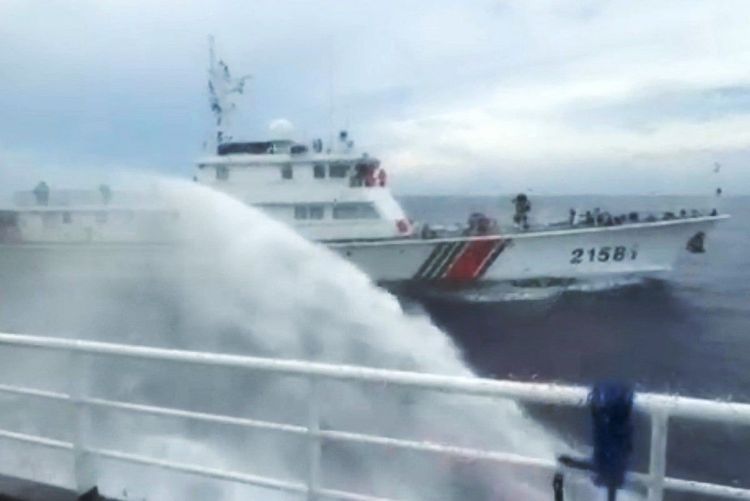
The targeting of the Kaifan forms part of a broader Iranian campaign against shipping in the Strait of Hormuz. Since late February, Iran has boarded merchant vessels, issued warnings forbidding passage, and laid sea mines in the waterway. At least 17 merchant ships have sustained damage, with 7 abandoned and 12 seafarers killed or missing.
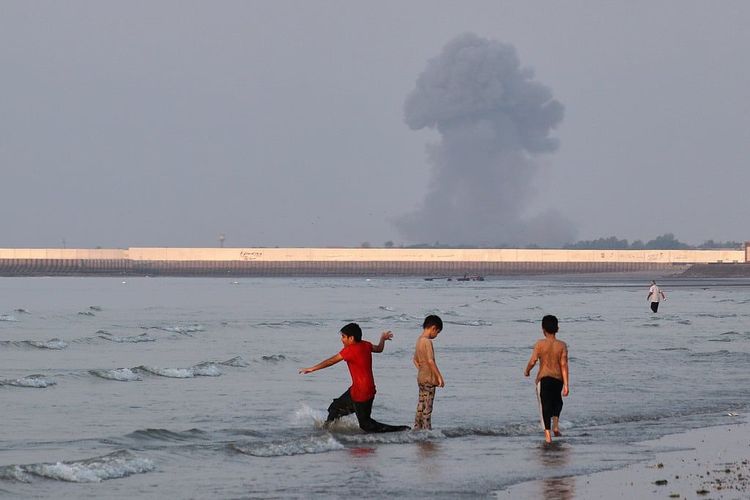
Kuwait's Ministry of Electricity, Water and Renewable Energy reported that Iranian attacks sparked fires at several power station facilities. Emergency teams, working with the Kuwait Fire Force and security authorities, successfully contained and extinguished the blazes. The attacks threaten Kuwait's critical infrastructure network, which includes major integrated facilities at Shuaiba, Doha, Sabiya and Al Zour.
The threat to these facilities carries particular significance for Kuwait, which depends on desalination for approximately 90% of its municipal drinking water supply. Most desalination in the country is produced through co-generation power plants, where oil or gas generates electricity and excess heat drives the multi-stage flash desalination process. The Al-Zour North Phase 1 plant alone provides approximately 10% of Kuwait's total power generation capacity and 20% of the country's desalination capacity.
Operational measures and damage assessment
The ministry stated it had begun assessing damage and implementing repair plans across affected facilities. Several power generation units were taken out of service as a precautionary operational measure to ensure equipment safety and maintain stability of the country's electricity and water systems.
Al-Mashaan renewed Kuwait's call for the immediate cessation of attacks, emphasizing that the country reserves the right to take necessary measures and holding Tehran fully responsible for its continued aggression. Since 28th February, Iranian strikes have resulted in at least 4 Kuwaiti servicemembers killed and 77 wounded, along with 2 Kuwaiti Navy servicemen killed. Attacks on Kuwait International Airport have caused a total suspension of commercial aviation in Kuwaiti airspace.
The attacks in the Strait of Hormuz carry global economic implications, as Kuwait relies on the waterway to deliver the vast majority of its oil exports. Asian countries collectively receive approximately 89% of crude oil and condensate transiting the strait, with China alone accounting for 37.7% of all oil exports passing through the passage, making the region particularly vulnerable to supply disruptions.