Six months of conflict: US-Iran war settles into protracted stalemate
What began as Operation Epic Fury with expectations of swift regime change has evolved into an unending conflict that has shut down a critical oil corridor, killed thousands, and left both sides without a clear path to victory.
 Sara Khan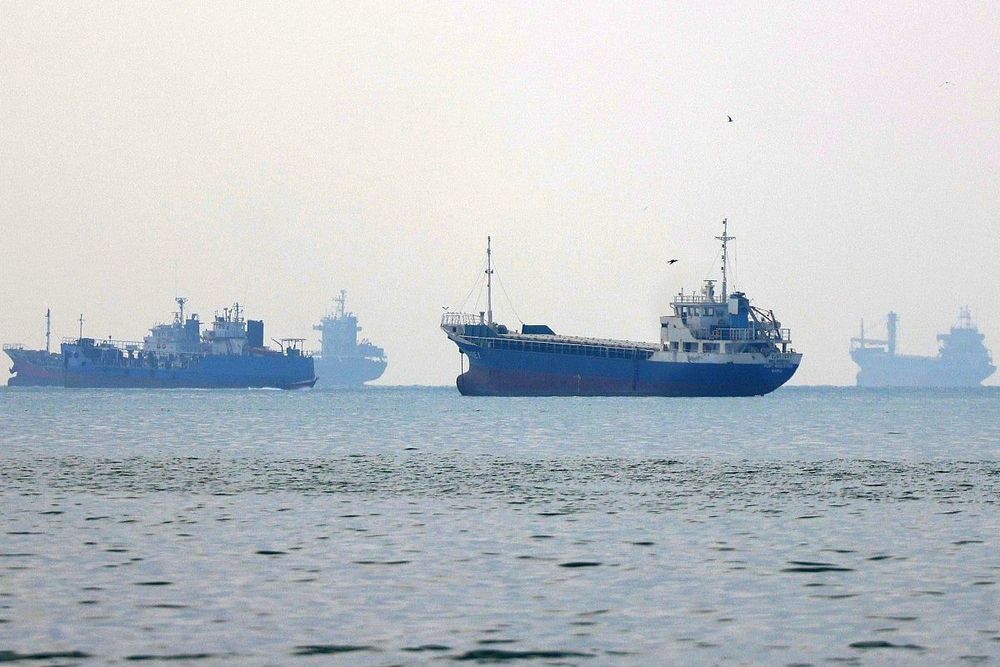
Six months of conflict: US-Iran war settles into protracted stalemate
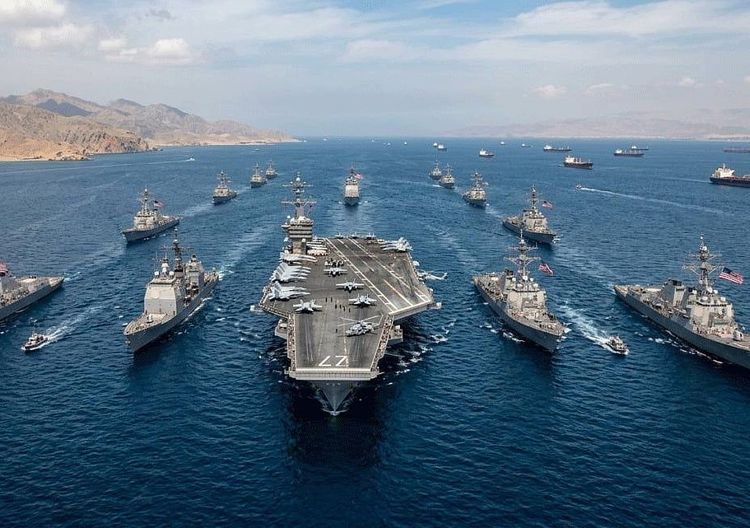
Half a year after US and Israeli forces launched Operation Epic Fury against Iran, the war that was meant to deliver a decisive blow has instead become an open-ended conflict with mounting casualties, disrupted global trade, and no resolution in sight. What Washington envisioned as a quick campaign to topple Tehran's leadership and dismantle its military has descended into cycles of strikes, failed ceasefires, and diplomatic impasses.
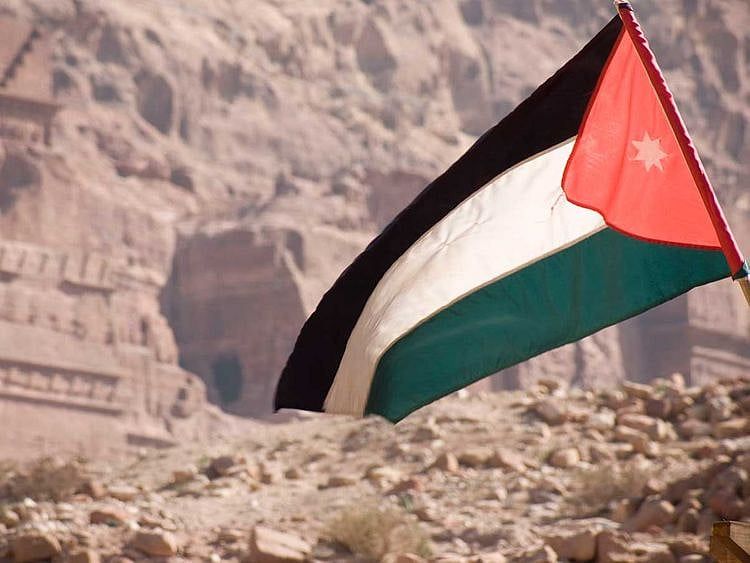
Last week underscored the conflict's intractable nature. Following a month of relative calm, hostilities resumed when US forces struck Iranian rocket launchers on Larak Island in the Strait of Hormuz on Sunday, citing intelligence that Tehran was preparing to deploy sea mines in the waterway. Iran retaliated with attacks on American positions in Jordan. On Tuesday, US strikes targeted a fishmeal processing facility on Qeshm Island, a port authority building in Sirik, and what Iranian officials described as a residence in Kuhestak village where a wedding celebration was underway, killing two civilians. By Wednesday, Iranian missiles were again targeting Gulf nations.
From swift strikes to grinding conflict
The war's opening salvo on February 28 was staggering in scale. During the first 12 hours of Operation Epic Fury, the United States executed 900 strikes against Iranian targets while Israel deployed 200 aircraft hitting nearly 500 locations. The coordinated assault killed Supreme Leader Ali Khamenei and targeted Iran's military infrastructure and nuclear facilities with the aim of forcing immediate capitulation.
Tehran's response was equally sweeping. Iran launched at least 162 missiles at Israel and 167 missiles targeting the UAE, alongside hundreds of drones fired across the Middle East at US military installations and Gulf capitals that had taken no part in initiating the confrontation.
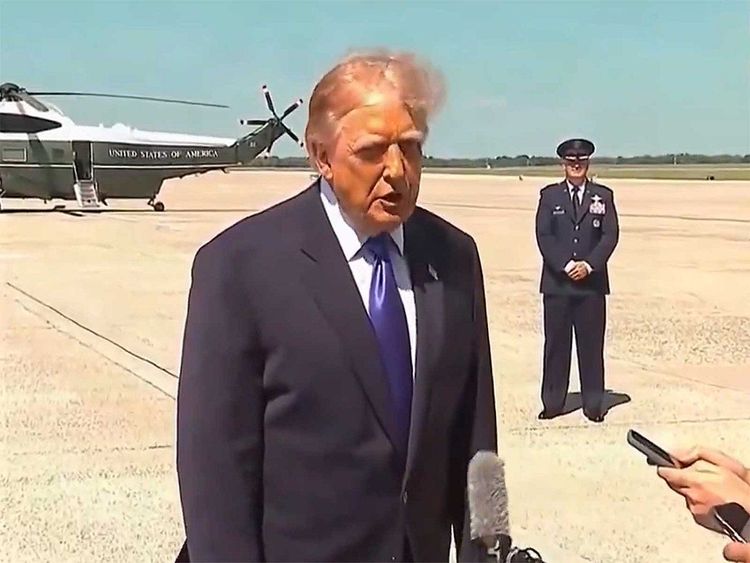
A Pakistan-brokered ceasefire in April raised hopes for de-escalation, leading to the first high-level US-Iran dialogue since 1979 in Islamabad. Those talks foundered over the nuclear issue, which President Trump identified as the insurmountable obstacle. Washington then imposed a naval blockade. In an unexpected turn, both nations signed the Islamabad Memorandum on June 17, a framework agreement brokered primarily by Pakistan with assistance from Qatar, Saudi Arabia, Turkey, and Egypt. The memorandum established a 60-day window for finalizing peace terms.
Strikes ceased on June 28, but the respite proved ephemeral. On July 8, barely ten days after the guns fell silent, Iran resumed attacks on commercial vessels in the Strait of Hormuz, asserting sovereignty over the waterway and blindsiding American officials. The August 17 expiration of the memorandum's negotiation period passed without any comprehensive settlement.
The conflict has since settled into its current rhythm: sporadic exchanges of fire that intensify, subside, and reignite without bringing either combatant closer to their strategic objectives.
Gulf states caught in the crossfire
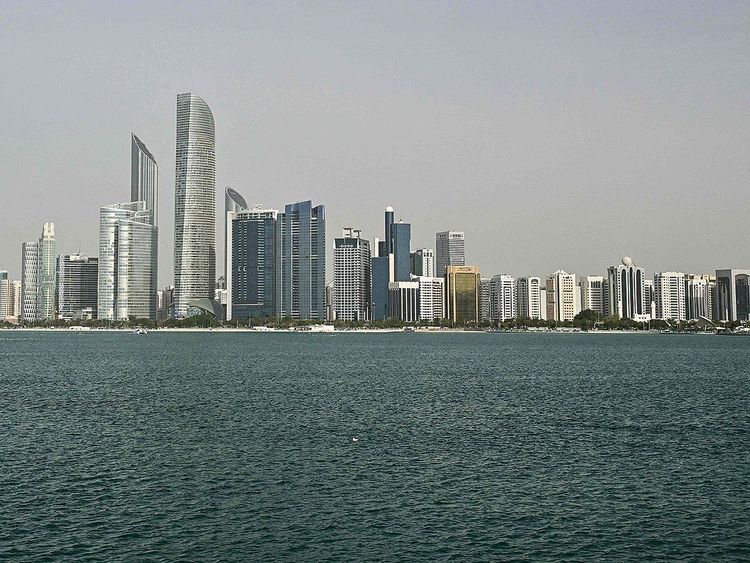
Despite efforts to maintain neutrality, Gulf nations have discovered that restraint offers no immunity from the conflict's consequences. The UAE Ministry of Defence reported intercepting an Iranian drone over its territorial waters and condemned the violation as a dangerous provocation. Since February, Emirati defences have tracked and destroyed 174 ballistic missiles and 689 drones.
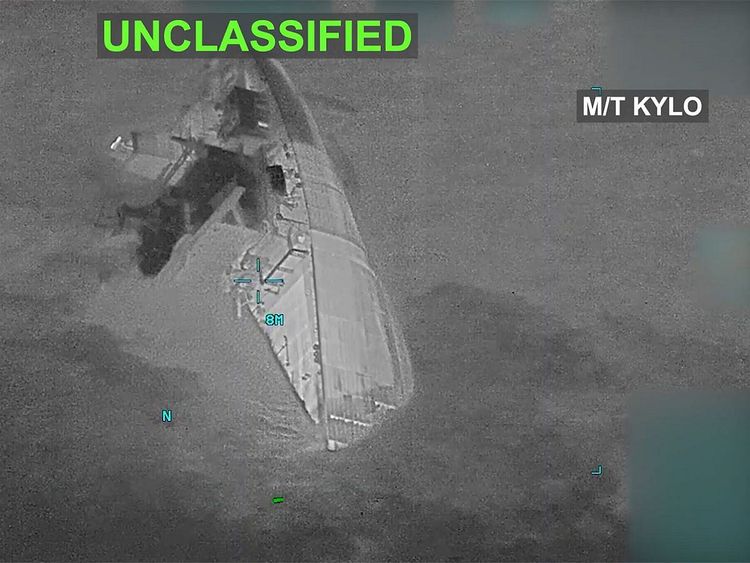
On August 31, two supertankers were struck by unidentified projectiles within the southern corridor that the US Navy had declared secure, demonstrating that even routes Washington guaranteed as safe remain contested. The International Maritime Organisation documented in April that approximately 20,000 mariners and 2,000 vessels were stranded in the Arabian Gulf. While those numbers have decreased somewhat in recent months, the human toll continues: sailors anchored in a combat zone, fishing communities living beneath the sound of explosions, civilians injured in strikes they did nothing to provoke.
The Strait of Hormuz, which handles approximately 20 million barrels of oil daily, representing roughly 20% of global petroleum consumption and about 25% of all seaborne oil trade, remains partially closed. Approximately 84% of the crude oil that transited the strait before the conflict was bound for Asian markets, with China, India, Japan, and South Korea as the primary destinations. Oil prices oscillated sharply throughout August, unable to settle on whether diplomatic breakthrough or military escalation lies ahead.
Recalibrating Gulf security assumptions
For decades, Gulf states operated on a straightforward premise: maintaining US military bases, preserving open channels with Washington, and avoiding direct confrontation with Iran would guarantee regional stability. The current war has challenged that calculus in ways that will influence Gulf foreign policy long after the fighting ends.
The region has not been passive in responding to that challenge. While the disruption to the Strait of Hormuz has created immediate pressure on shipping costs, trade flows, and investor confidence, the Gulf's underlying economic fundamentals, including substantial sovereign wealth reserves, strong fiscal buffers, and diversified development strategies, have cushioned the impact.
The UAE in particular has shown considerable resilience. Sovereign wealth funds have maintained capital deployment, credit ratings have held steady, and governments have moved swiftly to stabilise businesses and economies. The disruption, though genuine, has not derailed the region's long-term economic trajectory.
If anything, the conflict has reinforced and accelerated priorities already in motion. The imperative for alternative export routes, enhanced domestic defence capabilities, and broader international partnerships, all central to Gulf strategy before the war, has been validated rather than undermined. Throughout the crisis, Gulf states have maintained their commitment to diplomacy, backing ceasefire initiatives and keeping communication channels open on multiple fronts.
What the war has clarified is that security partnerships must be deeper, more reciprocal, and less reliant on a single external guarantor. The UAE's investment in its own military capabilities, diversified economic alliances, and engagement with both Eastern and Western powers reflects a pragmatic assessment of a world where no outside force can unilaterally ensure Gulf security.
A conflict without an exit
The fundamental problem is that neither side possesses a strategy capable of imposing its preferred outcome. Iran's new Supreme Leader, Mojtaba Khamenei, who was elected by the Assembly of Experts between March 3-8 and formally announced on March 9, approximately ten days after his father's assassination, faces domestic political constraints that make any appearance of surrender untenable. A regional diplomat characterised the current deadlock as driven by internal pressures on both sides: approaching midterm elections for Trump and congressional Republicans, and profound internal crises within Iran.
What remains is the Oman channel, discreet diplomatic conversations aimed at identifying some form of de-escalation that neither government would have to characterise as defeat. It has produced no breakthrough. Nor has it collapsed. Somewhere between those two possibilities is where this war exists today: too costly to continue without strategic purpose, too politically fraught to conclude without conditions that neither party is prepared to accept.
Six months on, the Iran war remains incomplete and unresolved, leaving damage, uncertainty, and a region unable to anticipate what comes next.