Strategic straits: Historic flashpoints where global trade meets geopolitical power
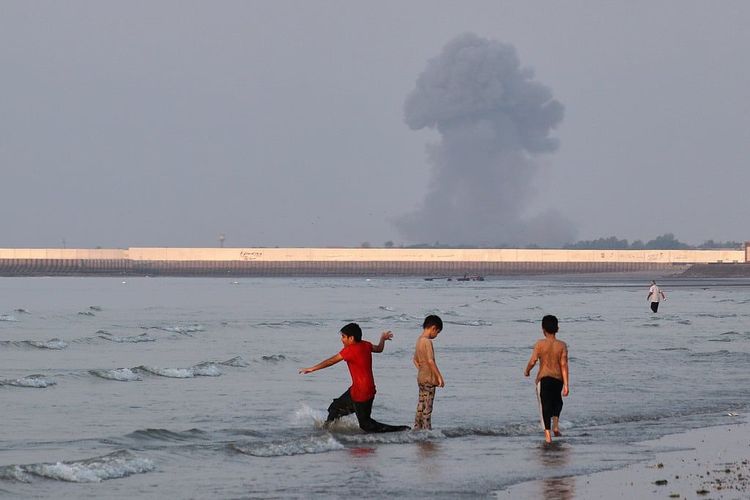
From Hormuz to Malacca, narrow maritime passages have shaped commerce and conflict for centuries. As Iran tightens control and regional tensions rise, these chokepoints once again become battlegrounds for influence.
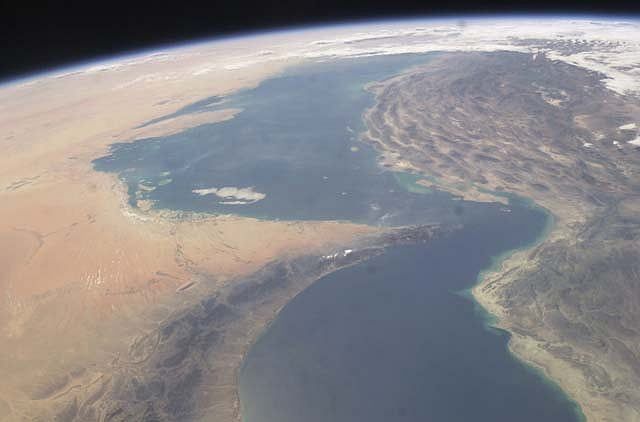
Chokepoints of commerce
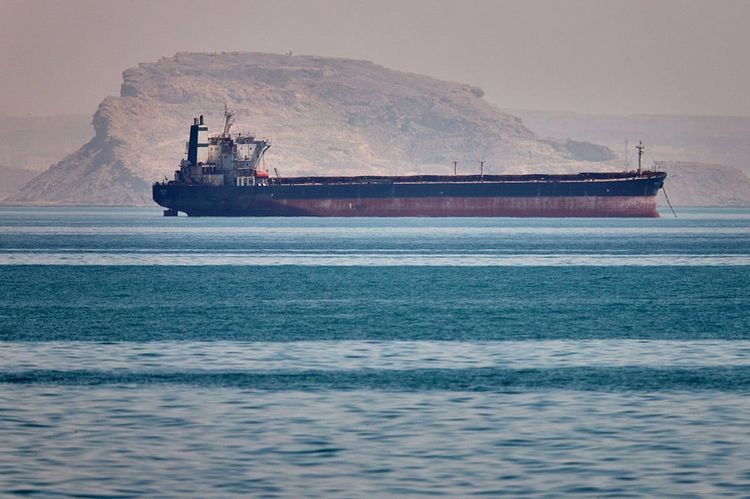
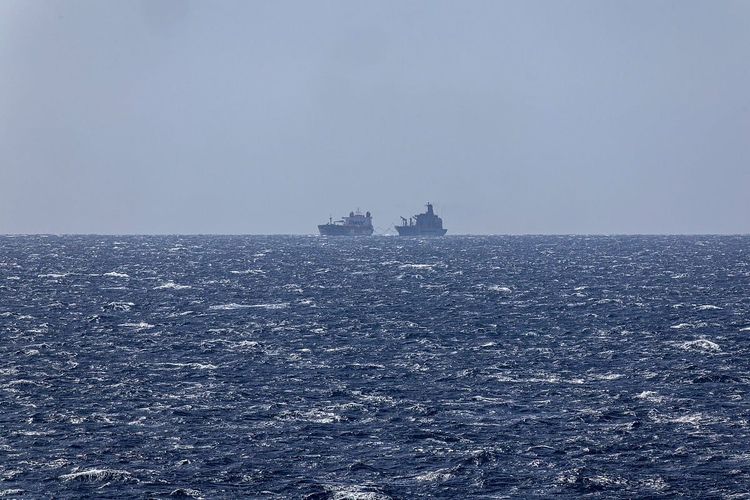
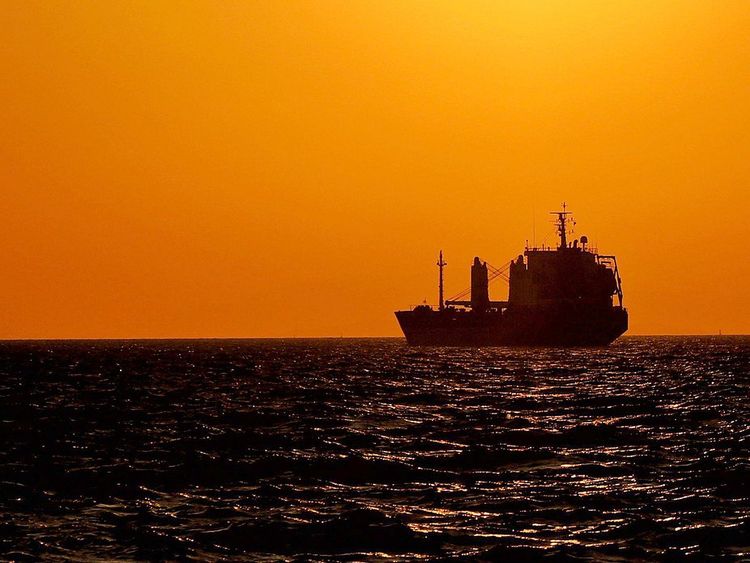
These narrow corridors carry the lifeblood of international trade. The Strait of Hormuz alone handles approximately 25-34% of global crude oil trade, with nearly 15 million barrels per day passing through as of 2025, along with about 20% of global liquefied natural gas trade. The Strait of Malacca, the world's busiest shipping lane, recorded over 100,000 vessel transits in 2025, carrying approximately 25-30% of global maritime trade valued at around $3.5 trillion annually. Over 35% of oil transported by sea and 20% of gas pass through Malacca, making it the second busiest energy chokepoint after Hormuz.
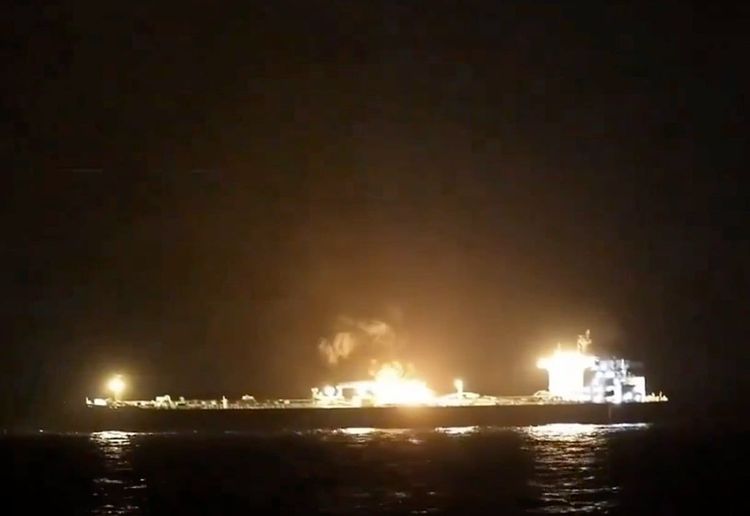
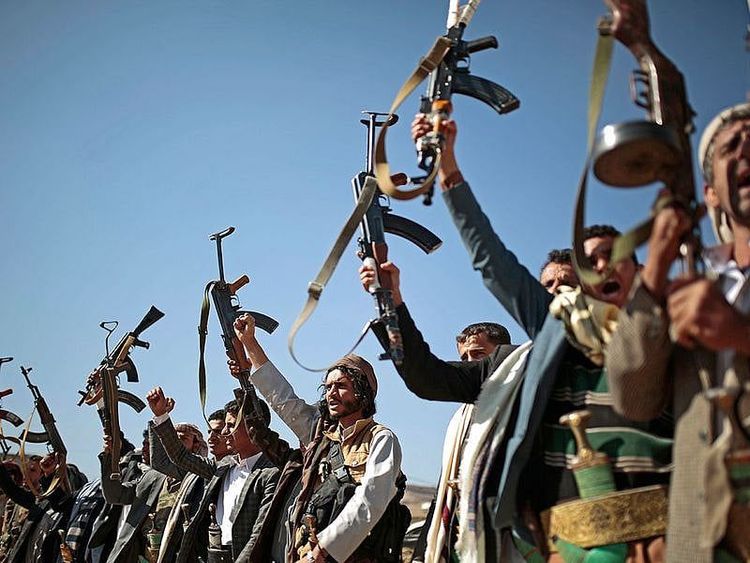
Meanwhile, Bab al-Mandab handles approximately 12% of world oil shipments and one-quarter of global container trade, with over 20,000 vessels passing through annually under normal conditions. However, Houthi attacks have significantly disrupted this flow, with Suez Canal transits dropping from 26,000 ships in 2023 to 12,700 by 2025.
The United Nations Convention on the Law of the Sea, signed by 117 countries at Montego Bay on December 10, 1982, established what Sylvain Domergue, a lecturer at Sciences Po Bordeaux and author of Geopolitics of Maritime Spaces, calls a constitution for the oceans. The convention formalized the principle that straits are natural features not subject to tolls and guaranteed freedom of navigation.
This stands in contrast to man-made waterways such as the Panama and Suez canals, which may levy passage fees.
From spice routes to freedom of the seas
The strategic significance of these passages extends back centuries. Portugal attempted to control Hormuz as early as 1507, seeking to monopolize access to the spices and riches of the Orient after its navigators opened the sea route to the Indies.
Yet the principle of open seas ultimately prevailed. In 1609, Dutch jurist and philosopher Hugo Grotius published Mare Liberum, a Latin treatise arguing that the sea was international territory and all nations were free to use it for seafaring trade, challenging Portuguese claims of monopoly over ocean routes to the Indies. His thesis that the sea belongs to no one became foundational to modern maritime law.
Domergue explains that guaranteeing freedom of navigation required first guaranteeing freedom of passage through straits. The Netherlands championed this doctrine, followed by Britain and later the United States, which respects most provisions of the Montego Bay Convention despite not having ratified it.
Iran similarly has not ratified the convention but had, until recently, respected it under customary law, according to Domergue.
Imperial control and modern echoes
The principle of free navigation did not prevent Britain from using strait geography to guide its colonial expansion. The empire established key military footholds along strategic waterways, including a major naval base in Singapore to control Malacca, through which the largest share of global maritime traffic from China now passes. Britain also maintained bases on the island of Socotra, near Bab al-Mandab and the entrance to the Red Sea.
In Europe, the Danish straits connecting the Baltic to the Atlantic held great importance in the 19th century, enabling Denmark to collect tolls for an extended period and effectively controlling access for Baltic powers, particularly Russia, Domergue notes.
Exceptional tolls and future tensions
The only major straits where tolls are still legally collected are the Turkish Straits of the Bosphorus and Dardanelles, governed by the Montreux Convention signed in 1936, which allows Turkey to collect fees and regulate passage.
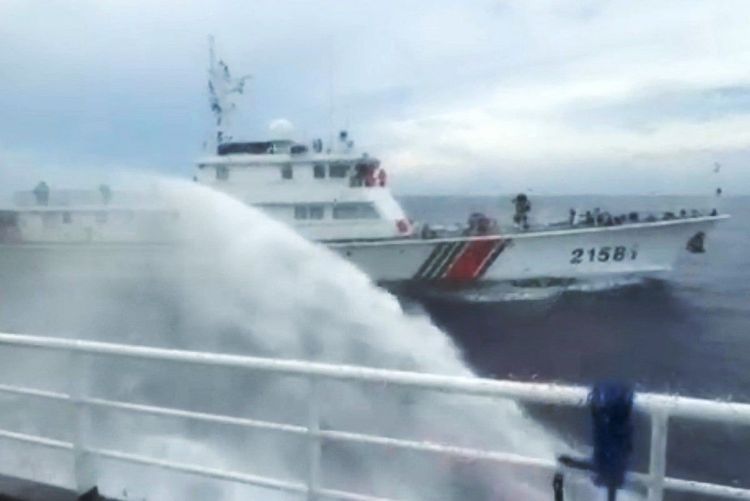
Looking ahead, Domergue identifies emerging flashpoints. The Taiwan Strait faces what he calls a war of sand, with Chinese vessels collecting marine materials in waters claimed by Taiwan as provocative actions amid Beijing's territorial ambitions in Southeast Asia.
The Strait of Malacca, shared by Singapore, Malaysia, and Indonesia, could also see new tensions. When Iran announced plans to introduce a toll in Hormuz, the Malaysian prime minister initially suggested he might do the same for Malacca before backtracking, Domergue observed.
Such a move would diminish Singapore's status as a regional hub. As history demonstrates, control over these narrow passages between seas remains a persistent source of rivalry, with the battle over freedom of navigation far from settled.