UAE and Egypt foreign ministers hold talks on Strait of Hormuz crisis and regional stability
Sheikh Abdullah bin Zayed and Dr. Badr Abdelatty met in Abu Dhabi to discuss the escalating situation in the Strait of Hormuz, where maritime traffic has declined 90% year-on-year, and to strengthen bilateral cooperation.
UAE and Egypt foreign ministers hold talks on Strait of Hormuz crisis and regional stability
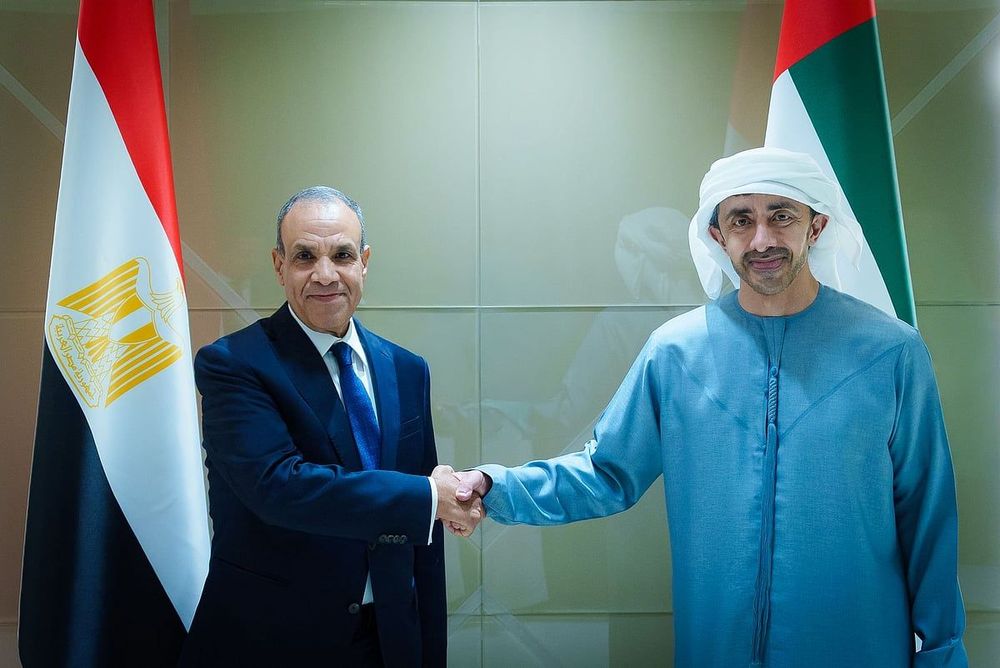
Sheikh Abdullah bin Zayed Al Nahyan, Deputy Prime Minister and Minister of Foreign Affairs, met with Dr. Badr Abdelatty, Egypt's Minister of Foreign Affairs, International Cooperation, and Egyptian Expatriates, in Abu Dhabi on July 21 to address urgent regional developments and strengthen bilateral ties.
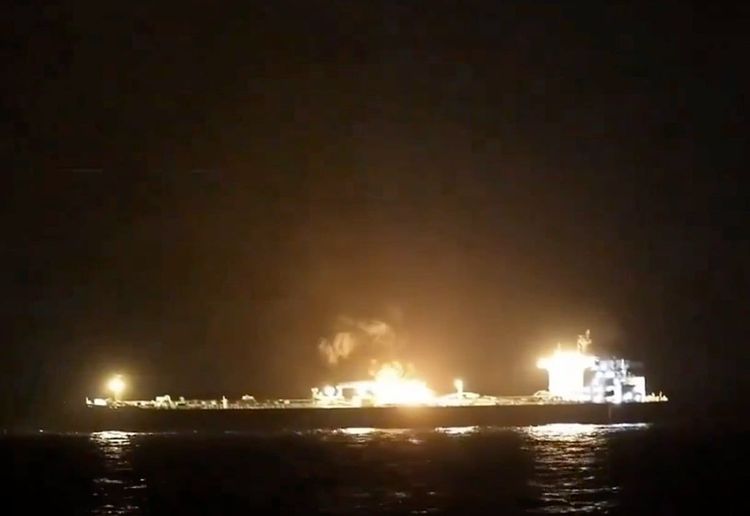
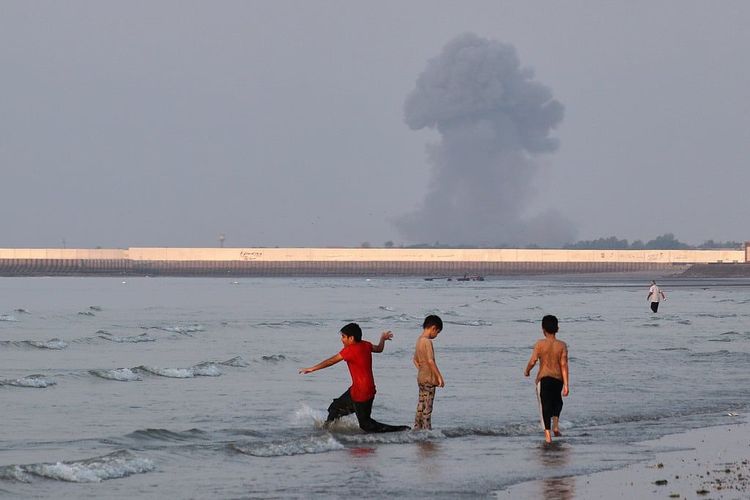
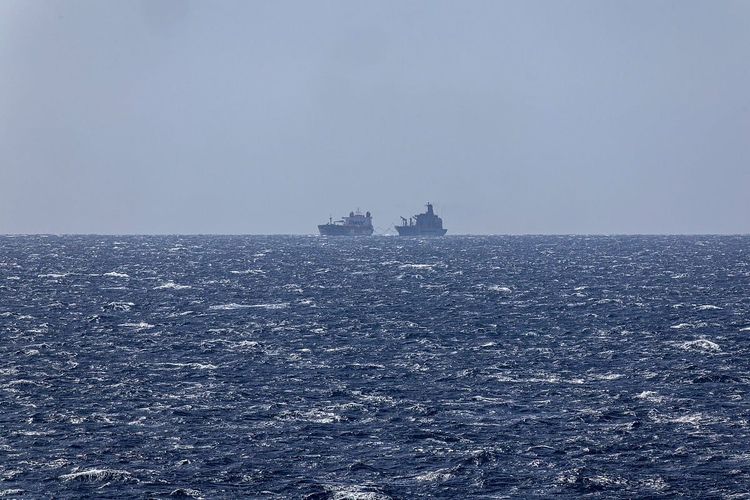
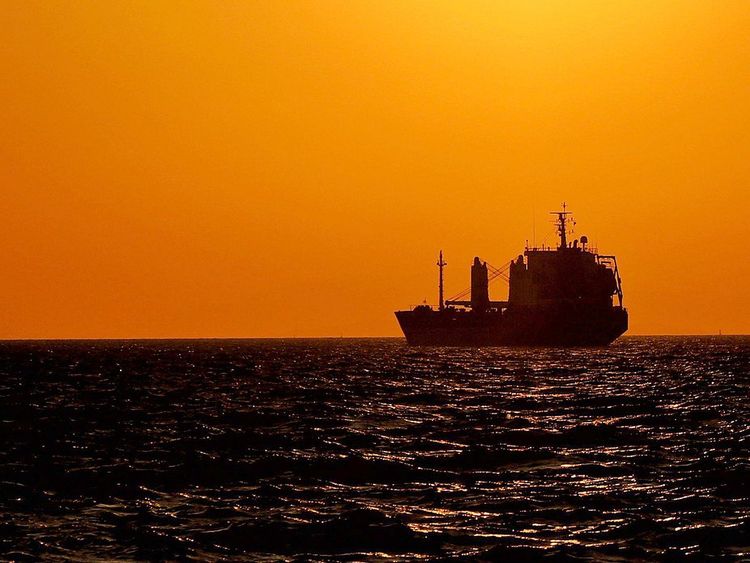
The meeting focused heavily on the deteriorating security situation in the Middle East, particularly concerning the Strait of Hormuz, where maritime traffic has plummeted approximately 90% year-on-year as of mid-July 2026. Non-Iranian linked vessel transits through the strategic waterway dropped sharply from 108 to 25 ships during the week of July 13-19, reflecting the severity of the current crisis.
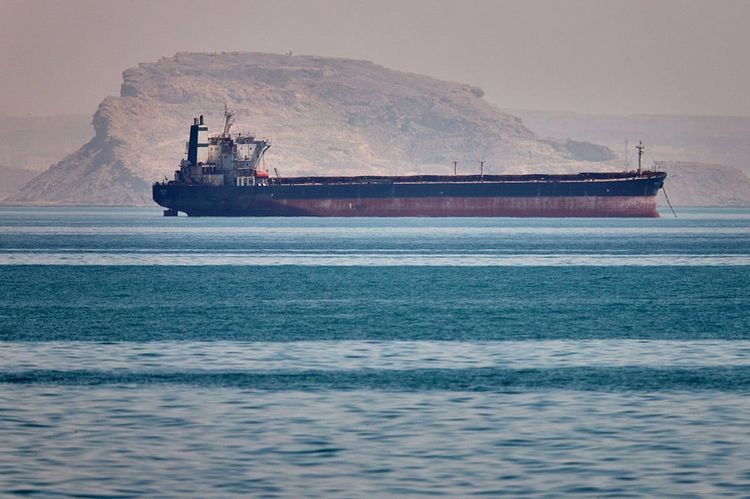
The Strait of Hormuz, located between Iran, Oman, and the UAE, normally transports approximately 20 million barrels of oil per day, representing about 25% of global seaborne oil trade and 20% of worldwide petroleum consumption. The dramatic decline in traffic through this critical chokepoint connecting the Persian Gulf with the Gulf of Oman has raised international alarm.
During their discussions, the two ministers explored ways to strengthen regional and international efforts to end the escalation and ensure freedom of navigation through the Strait in accordance with international law. The meeting took place against the backdrop of ongoing military operations and recent attacks on commercial vessels in the area.
Broader regional security concerns
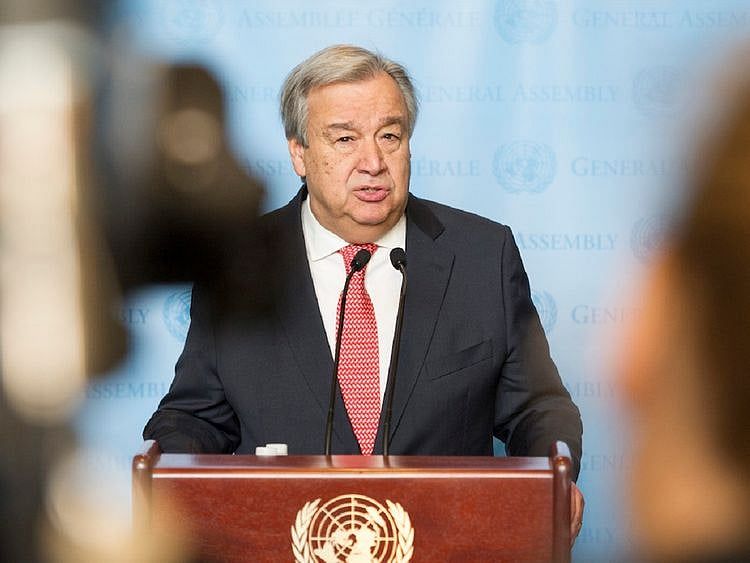
Sheikh Abdullah and Dr. Abdelatty emphasized the importance of achieving lasting security and stability across the region in a manner that fulfills the aspirations of its peoples for development and prosperity. The UN Secretary-General had voiced deep concern just one day earlier over continuing military escalation in the Middle East, calling for immediate de-escalation and highlighting devastation to civilians and critical infrastructure.
This meeting represents part of ongoing diplomatic coordination between the two nations. The foreign ministers had previously discussed bilateral relations and regional developments during a July 11 conversation, demonstrating continuous high-level engagement on shared concerns.
Strengthening bilateral cooperation
The ministers also reviewed the strong fraternal ties between the UAE and Egypt and explored ways to further enhance bilateral cooperation in support of mutual interests and development goals. Sheikh Abdullah bin Zayed reaffirmed the depth of brotherly relations between the two nations, highlighting continued growth and expansion of cooperation across various sectors.
The UAE ranks among the top Arab and foreign countries investing in Egypt, with both nations maintaining strategic economic partnerships across trade, investment, infrastructure, and development sectors. These robust economic ties underpin the diplomatic relationship and shared interest in regional stability.
Dr. Abdelatty, a career diplomat with over three decades of experience who previously served as Egypt's Ambassador to Germany and to Belgium and the European Union, was appointed to his current position in July 2024. His extensive diplomatic background brings valuable experience to navigating the complex regional challenges facing both countries.