UAE-DR Congo trade pact takes effect with broad tariff cuts
Tariffs on most product lines have been removed under the UAE's Comprehensive Economic Partnership Agreement (CEPA) with the Democratic Republic of Congo, which took effect October 30. The pact also introduces customs reforms intended to ease trade between the two markets.
 Omar Al Nuaimi

Trade growth and market access
The agreement seeks to expand trade and investment, with logistics, energy and manufacturing among its priorities. Its provisions aim to align customs procedures and remove unnecessary trade barriers for exporters and investors.
Bilateral non-oil trade totaled $3.5 billion in 2025, up 38.5%. For the first nine months of that year, the UAE Ministry of Foreign Trade reported $2.9 billion in non-oil trade, a 16.1% increase from the same period a year earlier.
The DRC presidency has set a goal of doubling bilateral trade from $5 billion to $10 billion by 2030, according to Ecofin Agency. The presidency also said the agreement opens the UAE market to 6,000 Congolese products.
Vehicles, machinery, electronics and construction materials are among the goods the UAE sells to the DRC. Trade also runs in the other direction through the UAE, which acts as a conduit for Congolese metals, food, cotton and other agricultural products.
From signing to implementation
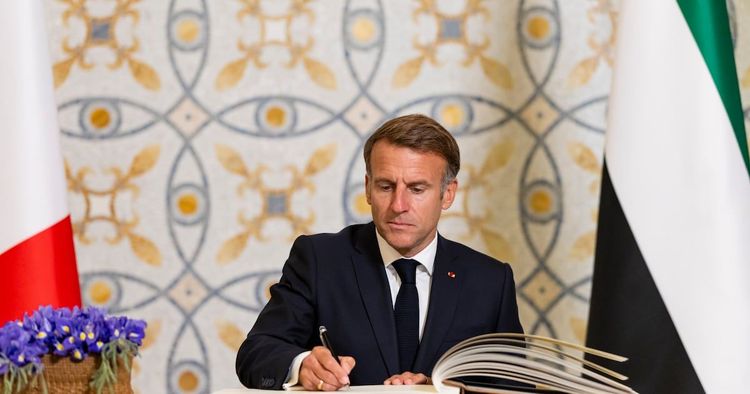
The pact was signed February 2, 2026, at Qasr Al Shati in Abu Dhabi, with UAE President Sheikh Mohamed bin Zayed Al Nahyan and DRC President Félix Tshisekedi in attendance. UAE Minister of Foreign Trade Dr Thani bin Ahmed Al Zeyoudi and DRC Minister for International Trade Julien Paluku Kahongya signed the agreement.
At the same ceremony, the presidents witnessed the signing of two memorandums of understanding: one on mining investment cooperation and another linking the Anwar Gargash Diplomatic Academy with the Congolese Diplomatic Academy. The countries also announced maritime transport cooperation.
Al Zeyoudi said the CEPA would expand UAE businesses' access to African markets. "The entry into force of our CEPA with the Democratic Republic of Congo signals another significant stride forward in our growth agenda," he said. He described the pact as securing access to a country with advanced development programs and a wider region offering opportunities for exporters, investors and industry.
Mining ties and port projects
The DRC supplies more than 70% of the world's cobalt and ranks first in Africa for copper production. Its other significant mineral resources include gold, tin, tantalum and tungsten, which are used in electrical components and energy transition technologies.
Mining cooperation predates the CEPA. Ecofin Agency reported that the countries signed a $1.9 billion agreement in 2023 to develop at least four industrial mines in eastern Congo. A separate arrangement that year allowed transfers of "certified" gold between the two countries.
Port development is also part of their cooperation. According to Ecofin Agency, a memorandum signed alongside the CEPA with the DRC's National Transport Office covers the Banana deep-water port project being developed with DP World. Kinshasa regards it as a strategic maritime hub.
Separately, Semafor reported that Abu Dhabi's AD Ports Group agreed to develop and operate a multipurpose terminal at Matadi Port in the DRC. The agreement adds to the group's existing presence in neighboring Angola and the Republic of Congo.
A broader trade agenda
The DRC shares borders with nine countries, providing access to markets in Central and Eastern Africa. Figures cited in the agreement's announcement place it among Africa's 10 largest economies, with gross domestic product of $122.28 billion and economic growth of 5.2%.
The UAE uses its CEPA program to deepen trading relationships with international markets. It has concluded agreements with 40 countries, with 20 now in force. The Ministry of Foreign Trade says the DRC pact supports a broader national agenda targeting $1.1 trillion in non-oil foreign trade by 2031.