Oil falls as Qatar-led talks raise hopes for Gulf supply recovery
Oil prices extended their losses Wednesday as traders anticipated that negotiations could ease the US-Israel-Iran conflict and restore disrupted Gulf exports. The decline reflects hopes for a settlement, not an agreement or an end to attacks on shipping.
 Omar Al Nuaimi

Crude benchmarks extend the week's losses
Brent traded at $103.00 a barrel, a decline of 1.68%, while West Texas Intermediate (WTI) forward contracts fell 0.89% to $95.60. Murban dropped 2.98% to $102.20 a barrel. The OilPrice.com figures were recorded at 8:09 a.m. in Tokyo on Wednesday, November 4, 2026. Natural gas rose 1.16% to 2.889.
The latest declines followed sharp losses earlier in the week. Monday's settlement put Brent at $104.77, down 7.63%, and WTI at $96.46, down 7.36%. Reuters reported that both fell further during Tuesday's trading, when Brent reached $103.14 and WTI $95.79.
Traders have been reducing the geopolitical risk premium, the additional amount paid for oil because conflict threatens future supplies. Analysts cited Iranian President Masoud Pezeshkian's statement that Supreme Leader Mojtaba Khamenei had given the government authorization to pursue peace talks.
Mediators await responses, with conditions unresolved
Qatar said the US and Iran remained committed to mediation, but a senior Iranian official described the sides as still "far" from an agreement. On Tuesday, November 3, Reuters cited an official briefed on the negotiations as saying Qatari mediators expected responses within 36 hours to new ideas intended to narrow the differences.
Reopening the Strait of Hormuz remains subject to Iranian conditions. According to CBS News, Tehran wants the US to release frozen Iranian financial assets, end the naval blockade of Iranian ports, ease sanctions and halt hostilities on all fronts, including Lebanon and Gaza. Iran would in return reopen the strait to commercial shipping and undertake further negotiations on its nuclear program.
Prices can respond to the prospect of restored exports before ships can move normally again. That also leaves the decline vulnerable: failed talks, fresh attacks or renewed military threats could quickly bring the risk premium back.
Shipping attacks and inventory losses persist
The war began with joint US-Israeli strikes on Iran on February 28, 2026, according to CBS News and Reuters, making the conflict eight months old in early November. Reuters reported that Sultan Al Jaber, chief executive of Abu Dhabi's state oil company ADNOC, said nearly 1 billion barrels had been drawn from global oil inventories since the war disrupted Strait of Hormuz shipping.
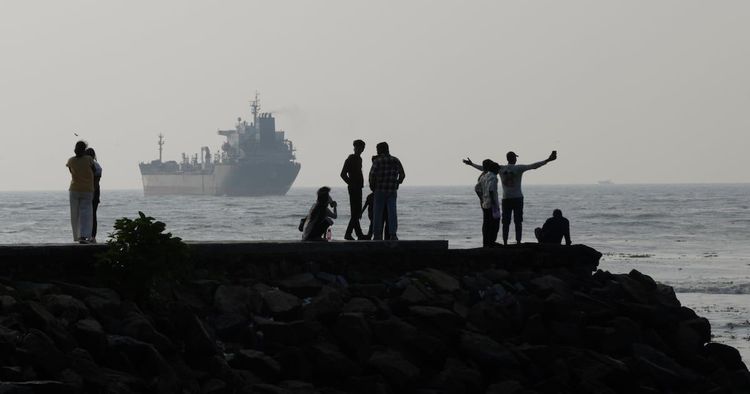
CBS News reported that the UK Maritime Trade Operations center recorded 30 attacks on commercial vessels in the region during October, a monthly record. Among the latest incidents, unidentified objects struck the Al Mayeda, an LNG carrier belonging to Qatar Gas Transport Company (Nakilat), as it crossed the Gulf on Friday evening, October 30, according to Qatar News Agency. No crew injuries or environmental damage were reported.
Reuters also highlighted renewed threats to supply from attacks associated with both the Iran and Ukraine wars. Falling crude prices therefore do not demonstrate that shipping routes are safe.
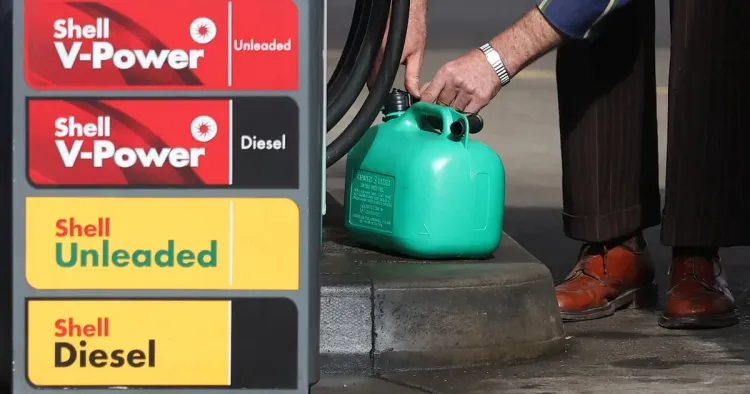
Lower oil costs could help fuel importers, transportation businesses and households, but lasting relief depends on supplies recovering. Businesses cannot count on current prices holding, and consumers are not assured of an immediate reduction in fuel bills.
Supply outlook hinges on Gulf flows
Forecasters describe sharply different outcomes depending on whether Gulf production and exports recover. Reuters reported that Goldman Sachs raised its oil price forecasts on Sunday, November 1, because of elevated supply risks. The bank said Brent could reach $140 in 2027 if Gulf output stays 3.5 million barrels per day below its 2025 average.
A recovery could create the opposite problem. According to AGBI, the International Energy Agency has warned that a return to pre-war flows through the Strait of Hormuz could leave the market with a supply surplus.
Meanwhile, seven OPEC+ members agreed on November 1 to retain September 2026 required production levels for December, Forbes Middle East reported. Saudi Arabia, Russia, Iraq, Kuwait, Kazakhstan, Algeria and Oman have a combined required level of 31.01 million barrels per day. Their next meeting is scheduled for November 29, 2026.