Europe plans 42 million-barrel oil release to ease energy prices
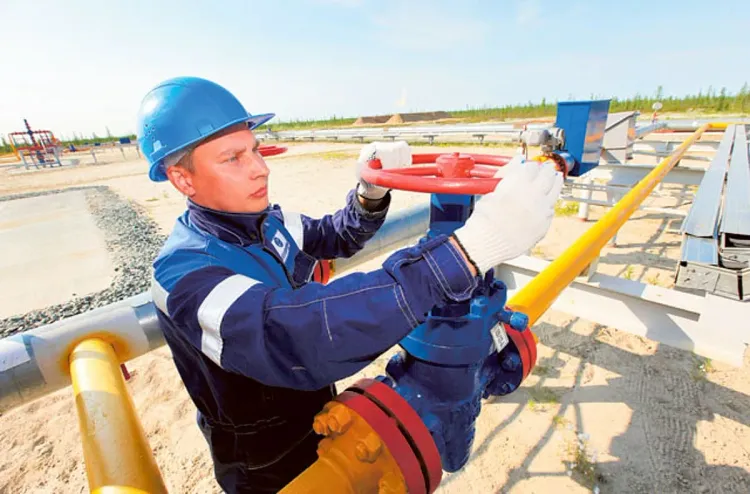
European countries will put 42 million barrels of oil reserves on the market over the next three months, with diesel accounting for half the total, French Economy Minister Roland Lescure said Thursday. France expects its own diesel release to begin reaching buyers within days, with price relief possible as soon as next week.
 Omar Al Nuaimi
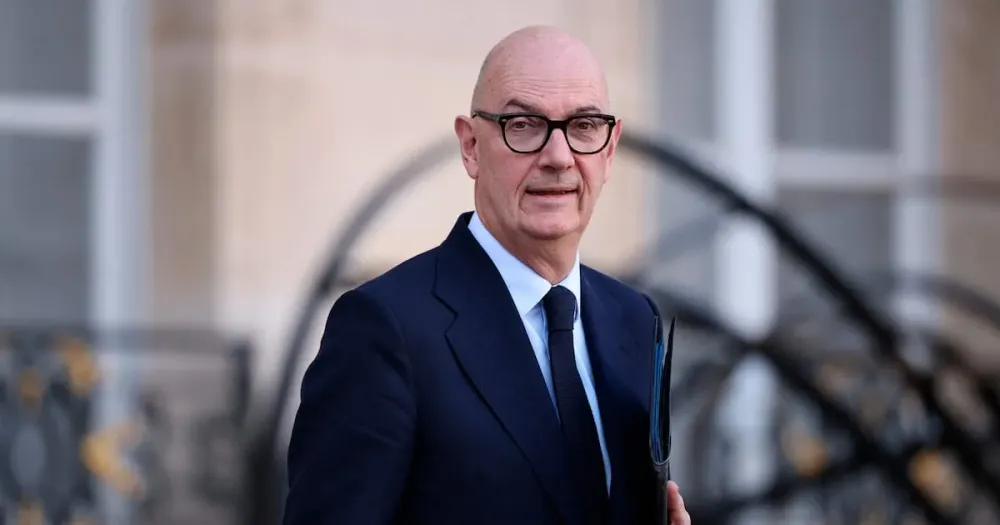
France expects lower diesel prices within weeks
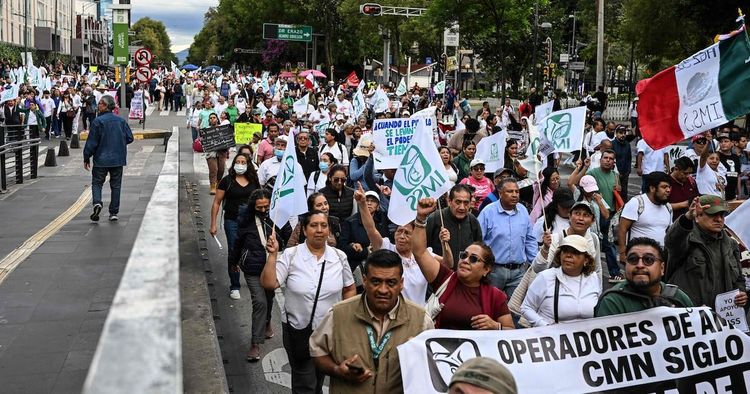
Speaking before EU energy ministers met in Luxembourg on October 29, Lescure described the reserve release as "short-term relief" from an energy crisis that has driven protests in France and elsewhere in Europe.
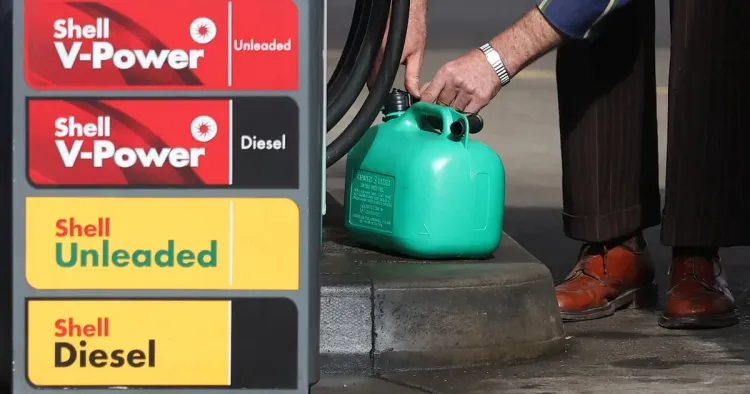
France announced its 10-million-barrel diesel release last month. Lescure said the fuel would be sold at cost, reducing prices by 12 to 18 cents per liter. An Economy Ministry adviser said France had never before tapped its strategic reserves specifically to bring prices down.
Distributors have been urged to advertise lower prices starting as early as November 1. Small fuel distributors serving remote areas will also have access to interest-free loans.
The measures follow record fuel prices in France. According to Euronews, diesel reached €2.41 per liter in late September. Gasoline also surpassed its 2022 highs, with average prices above €2.17 per liter for SP95-E10 and €2.28 for SP98.
By late September, France had committed €1.4 billion to targeted fuel relief, including a new €450 million package, Euronews reported. That spending came as the country's budget deficit was projected to reach 5.4% of GDP and public debt was approaching 120% of GDP.
A wider drawdown of emergency stocks
The European release forms part of a broader effort to bring emergency oil supplies to market. Last month, the Group of Seven agreed to release up to 100 million barrels to complete the 400-million-barrel release coordinated by the International Energy Agency in March.
All 32 IEA members approved that action unanimously on March 11, 2026, in response to the Middle East conflict. The agency called it the largest emergency release in its history and its sixth collective action since its founding in 1974.
By October, governments belonging to the IEA held about 1.1 billion barrels in public emergency reserves, including more than 200 million barrels of diesel, according to the agency. Total holdings had exceeded 1.2 billion barrels in March.
Lescure left open the possibility of further measures. "Hopefully the crisis will solve itself slowly but surely, and if not, we'll keep our options open, of course."
Hormuz blockade and insurance costs
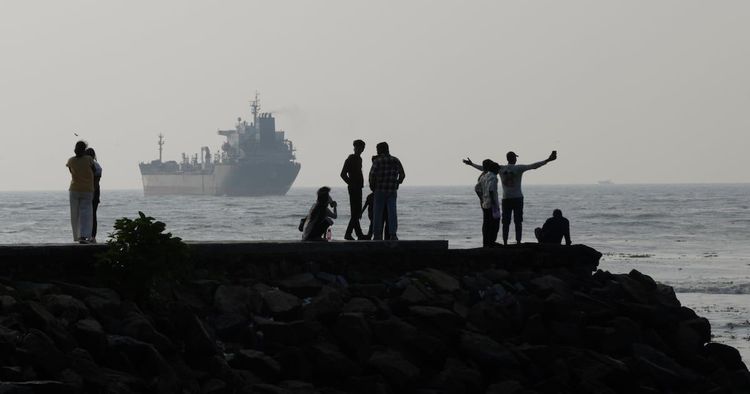
France is also pursuing a multilateral agreement to reduce insurance costs for vessels using the Strait of Hormuz, Lescure said. Iran has blockaded the waterway since the United States and Israel launched strikes against it earlier this year.
The strait carried an average of about 20 million barrels of crude oil and oil products a day in 2025, representing roughly 25% of global seaborne oil trade, according to the IEA. Following the outbreak of the conflict on February 28, 2026, crude and refined-product export volumes through the passage dropped below 10% of their pre-conflict level.
Insurance costs rose sharply when the fighting began. Foreign Policy reported that war-risk premiums increased from about 0.25% of a ship's hull value to between 3% and 10%. At the bottom of that range, insuring an average-size tanker valued at $250 million cost $7.5 million per voyage, up from about $625,000. Analysts described those costs as making transit commercially unviable.
"I'm concerned by the crisis. This crisis has been going on for too long. We need to find diplomatic ways to sort it out," Lescure said. "In the meantime, we have to get ready for the winter, and we are."
Gulf supply deals and pressure at home
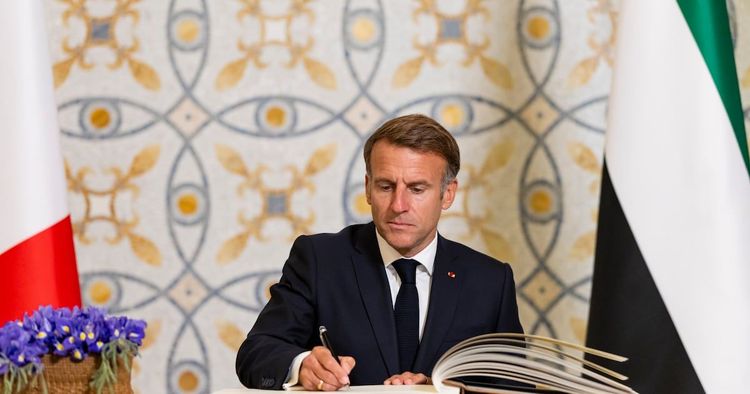
Alongside the reserve releases, France has sought additional fuel from Gulf suppliers. Lescure visited Abu Dhabi last week during President Emmanuel Macron's five-country Gulf tour to secure energy shipments. Macron reached an agreement with Saudi Arabia, Kuwait, the United Arab Emirates and Bahrain for 300,000 metric tons of diesel each month.
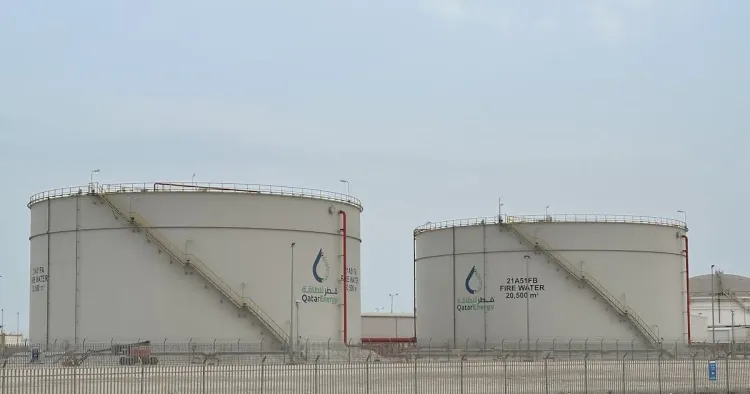
How much that deal will affect pump prices remains uncertain because international market prices fluctuate. Qatar has also pledged to sell liquefied natural gas to France, but shipments depend on its ability to move LNG vessels through Hormuz, its only export route.
Fuel costs have become a campaign issue ahead of France's April 2027 presidential election. Euronews reported that far-right candidate Marine Le Pen has promised to lower VAT on fuel from 20% to 5.5%. Hard-left candidate Jean-Luc Mélenchon has proposed price caps of €1.70 per liter for gasoline and €1.80 per liter for diesel.