IMF staff-level agreement unlocks $1.2 billion for Pakistan under existing bailout program
International Monetary Fund reaches staff-level agreement with Pakistan, advancing disbursement of $1.2 billion under the country's $7 billion Extended Fund Facility program as economy shows signs of stabilization.
 Layla Haddad
IMF Staff-Level Agreement Unlocks $1.2 Billion for Pakistan
The International Monetary Fund has reached a staff-level agreement with Pakistani authorities, advancing the release of approximately $1.2 billion under the country's ongoing $7 billion Extended Fund Facility program. The agreement, which still requires approval from the IMF Executive Board, represents a critical disbursement as Pakistan enters the final year of its 37-month bailout arrangement approved in September 2024.
With the latest approval, Pakistan has received approximately $3.3 billion from the IMF under the current program since disbursements began in 2024. This marks the 24th IMF bailout program for Pakistan since it first received assistance in 1958, with the country having borrowed from the global lender in 28 of the past 35 years.
Economic Performance Amid Regional Pressures
IMF negotiator Iva Petrova noted that Pakistani officials have successfully navigated the impact of the Middle East conflict, with strong policies helping to preserve macroeconomic stability. The country has seen real GDP growth of 4 percent in the first three quarters of fiscal year 2026, though the overall fiscal year growth is estimated at 3.6 percent as higher energy prices and supply disruptions weakened momentum somewhat.
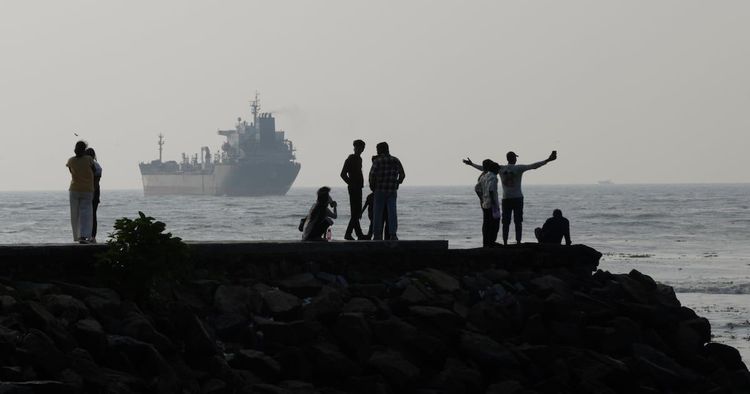
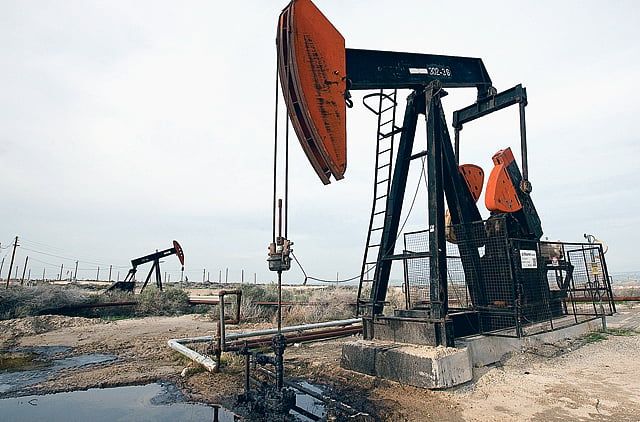
Pakistan's vulnerability to energy disruptions became particularly acute given its reliance on imports for more than 80 percent of its oil needs. The country's oil imports totaled $10.71 billion between July 2025 and February 2026, and the Middle East conflict triggered fuel price increases of 20 percent in March 2026.
Inflation Challenges and Public Discontent
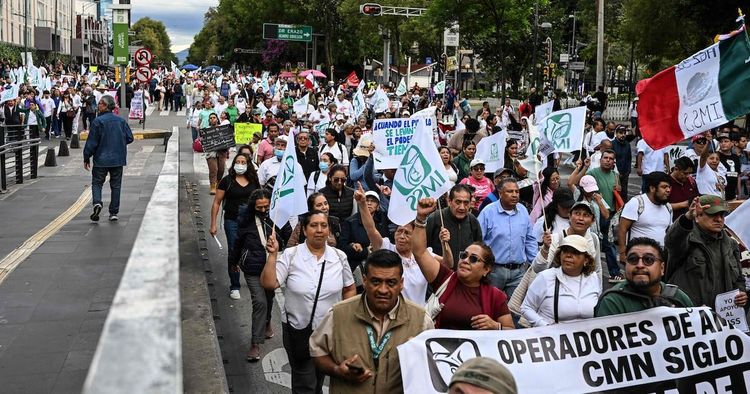
Inflation dynamics showed volatility throughout the year, peaking at 11.7 percent in May 2026 before moderating to about 10.3 percent in September, Petrova confirmed. This remains well above the State Bank of Pakistan's target range of 5 to 7 percent, though core inflation remained contained. The price pressures sparked demonstrations in major cities over the past year, with protesters demanding relief from spiking food, fuel and rent costs, as well as help finding secure employment.
Fiscal Improvements and Reserve Recovery
Pakistan's fiscal position has shown marked improvement, with the fiscal deficit narrowing to 1.1 percent of GDP during July-April FY2026, compared to 3.2 percent of GDP in the same period the previous year. The primary surplus stood at 3.5 percent of GDP, demonstrating strengthened fiscal discipline.
The country's foreign exchange reserves have also recovered significantly, with State Bank reserves rising to approximately $21.4 billion as of October 2026. Total liquid reserves including commercial banks stand at about $26.8 billion, providing roughly three months of import cover.
Stringent Conditions and Geopolitical Role
The IMF has placed 64 conditions on Pakistan under the current bailout program within the first 18 months, with 11 new conditions added during the second review in December 2025. These conditions cover areas including asset declarations by senior federal civil servants, corruption risk assessments, and energy sector reforms, reflecting the stringent requirements Pakistan must meet to continue receiving funds.
Pakistan serves as a key mediator between the United States and Iran, a role that has taken on added significance during months of regional fighting and disruptions to global energy shipments. The South Asian nation's ability to maintain economic stability amid these geopolitical pressures will be critical as it works to complete the final year of its IMF program.