Oil hits three-week lows on hopes for US-Iran deal
Oil extended Monday's selloff on Tuesday, November 3, as reports of progress toward a US-Iran agreement prompted traders to unwind positions accumulated during October's rally. Prices reached their lowest levels in about three weeks, with diplomatic hopes outweighing concerns over limited US strikes near the Strait of Hormuz.
 Omar Al Nuaimi
Brent falls toward $100
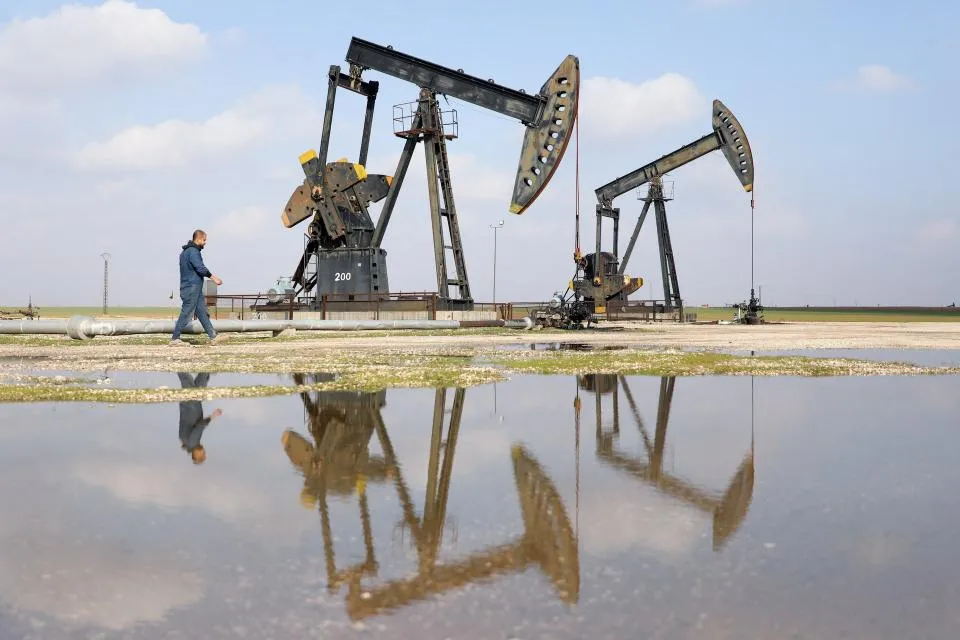
Brent crude futures were last down 3% at $101.65 a barrel, while US West Texas Intermediate (WTI) lost about 2% to $94.54, according to Economies.com. The declines put both benchmarks near their lowest closing prices in several weeks.
Although neither Washington nor Tehran had announced a final agreement, the prospect of reduced tensions was already eroding the geopolitical premium in oil prices.
Qatari proposal calls for simultaneous concessions
Anadolu Agency reported on November 3 that Washington had approved a draft memorandum of understanding delivered to Iran by a Qatari delegation the previous day. Its report cited sources speaking to the Qatari newspaper Al-Araby Al-Jadeed, who said Saudi Arabia and the UAE had also approved the proposal after briefings by the mediation team.
The proposed interim deal would pair an Iranian announcement of a nuclear-program concession with a US announcement releasing some of Iran's frozen assets. Both announcements would come at the same time, setting the stage for negotiations to resume, the sources said.
The talks follow months of confrontation. According to Anadolu Agency, the current standoff began with US and Israeli attacks on Iran on February 28, 2026. Iran responded by targeting Israeli and US assets in the region, before an April ceasefire. A June 18 memorandum between Washington and Tehran addressed freedom of navigation through the Strait of Hormuz, but disagreements over security there stalled implementation.
Strikes and pipeline expansion keep Hormuz in focus
The diplomatic reports coincided with limited US military action. A US official told the Associated Press on Monday, November 2, that American forces had carried out "defensive" strikes against Iranian targets in the Strait of Hormuz, including Qeshm Island. The official said those targeted were using surface-to-air missiles against US assets. The action, on the eve of the US midterm elections, was described as limited rather than a return to major combat operations.
Saudi Aramco, meanwhile, has started expanding an export route that bypasses Hormuz. CEO Amin Nasser said during Tuesday's third-quarter results call that work was underway to raise East-West Pipeline capacity from 7 million to 10 million barrels per day, Al-Monitor reported.
Nasser also said Aramco was carrying out engineering work on existing export routes through Hormuz and the Suez Canal. Details would remain undisclosed until final investment decisions, he said.
Traders watch peace talks and US stockpiles
Another potential supply development is further peace negotiations involving Russia, Ukraine and the United States, which Russia confirmed were planned for November 10-11. Progress toward a settlement could eventually allow restrictions on Russian oil exports to ease.
The next weekly US petroleum inventory figures are also in focus, with analysts expecting crude stockpiles to rise by approximately 2 million barrels.
Economies.com identified immediate support for Brent near $100 and a possible test of $93.50 for WTI. Its outlook pointed to further diplomatic progress as a potential driver of additional losses, while renewed interruptions to Gulf oil shipments remained a significant risk of higher prices.