Trump Threatens New Iran Strikes as Qatar-Mediated Talks Continue
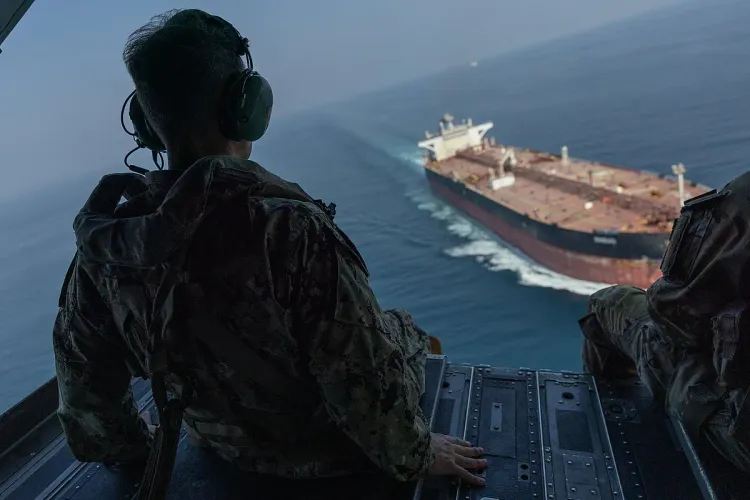
President Donald Trump has again threatened military action against Iran while negotiators pursue a proposal to reopen the Strait of Hormuz. Tehran warned that another war could spread beyond the Middle East and outlast the previous conflict, and Iranian state media reported that two tankers had exploded after striking mines in the strait.
 Omar Al Nuaimi
No US decision on renewed attacks
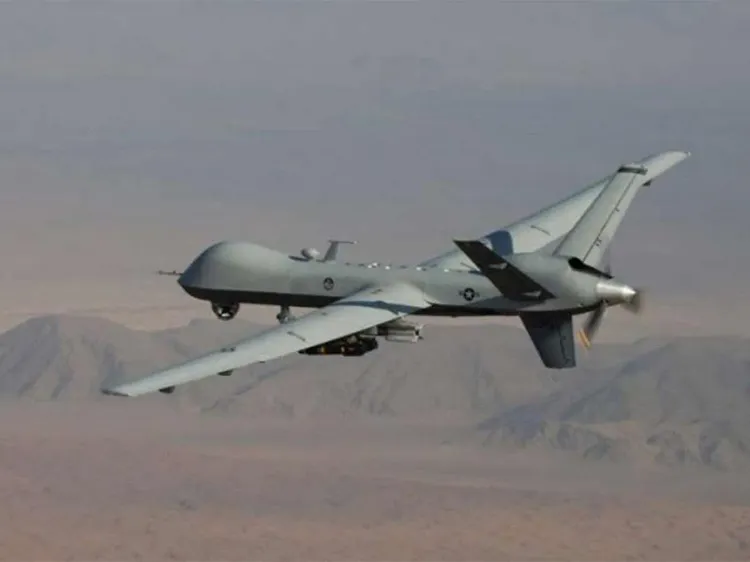
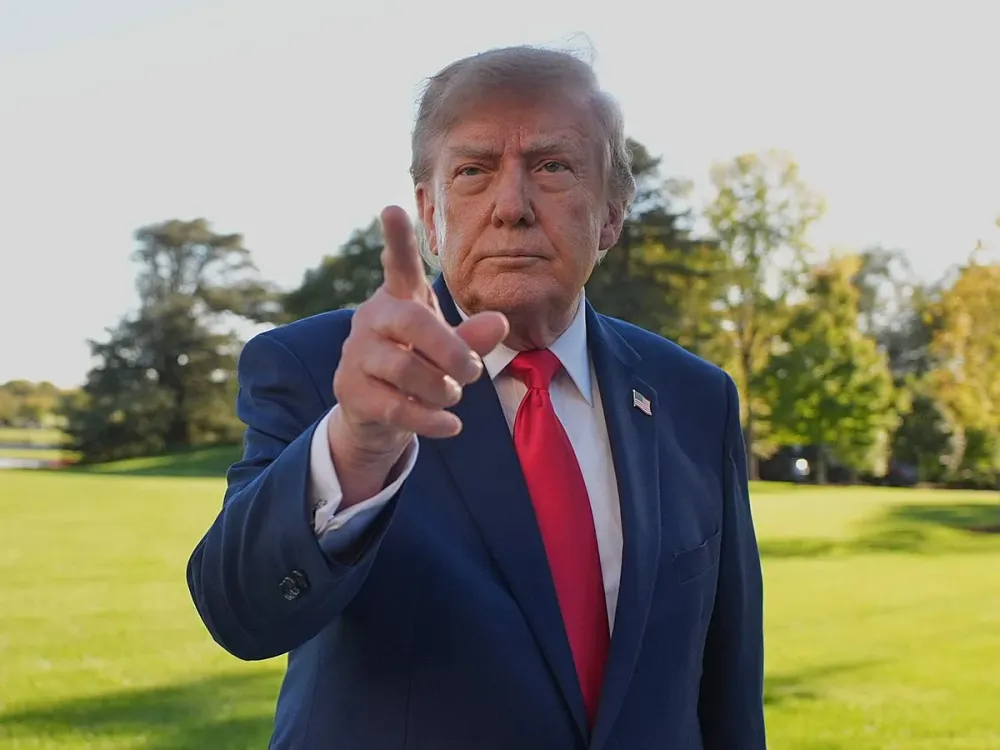
Trump said Washington might eventually have to give Tehran "the hammer," but Secretary of State Marco Rubio said the president had not decided whether to order new strikes and preferred a diplomatic outcome.
The timing of any attack is a point of disagreement with Israel, according to Axios. Citing sources, it reported that Prime Minister Benjamin Netanyahu wants Trump to strike immediately after the November 3 US midterm elections, while Trump currently favors giving negotiations more time. Trump said he and Netanyahu discussed Iran during a "good talk" on Sunday.
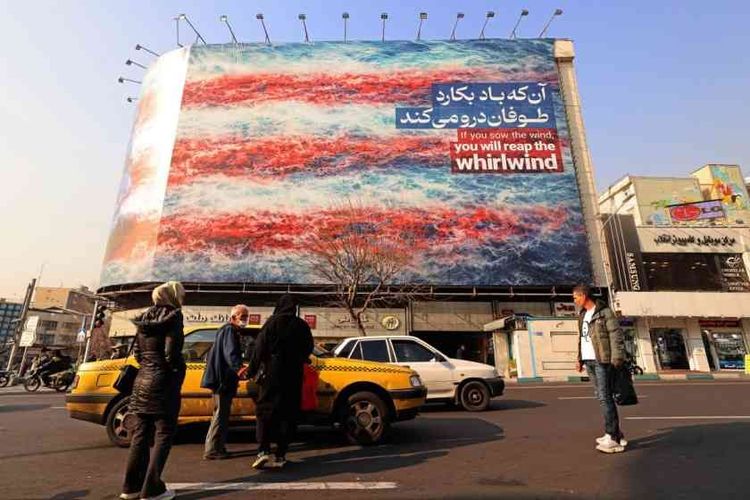
Iran's army spokesman warned Sunday that a fresh war could reach beyond the Middle East and continue much longer than the previous conflict.
Trump is also seeking allies' views on War Secretary Pete Hegseth and Joint Chiefs Chairman Gen. Dan Caine, The Atlantic reported, citing two outside advisers close to him. The report linked those questions to assurances that the war would be "quick and decisive" and noted that Trump often consults friends before making personnel changes.
Some people close to Trump accused Hegseth of presenting an "overly optimistic" assessment. The Pentagon disputed that characterization, saying he gives Trump the "full operational picture." The White House said the president retained "full confidence" in both Hegseth and Caine.
According to The Atlantic, Hegseth and Caine outlined military options to Trump and Vice President JD Vance at the White House last week, but no order to restart strikes had been issued. The magazine reported that Trump was considering further attacks to pressure Iran into negotiations; advisers said those attacks could "come soon" after the midterms.
Iran proposes a two-day sequence
Iranian negotiators spent a third consecutive day in Doha on November 1 working with Qatari mediators on an agreement to end the war with the US and Israel, Reuters reported, citing an official briefed on the discussions.
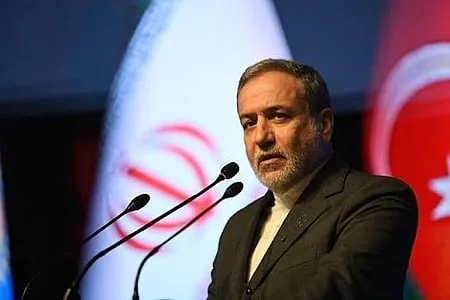
The proposal initially called for seven days of reciprocal confidence-building measures before broader peace negotiations. Consultations through Qatar subsequently shortened that sequence to two days, according to Iranian Foreign Minister Abbas Araghchi.
Under the revised proposal, the US would carry out a set of measures on the first day. Iran would then reopen the Strait of Hormuz on the second day, restoring normal transit. "I can say that we have now reached a two-day plan," Clash Report quoted Araghchi as saying. He described the continuing talks as "moving toward implementation."
That description does not amount to an agreement. Consultations remain unfinished, reopening is conditional on US action, and Washington has not publicly accepted the proposal.
Tanker blasts and earlier attacks on Gulf shipping
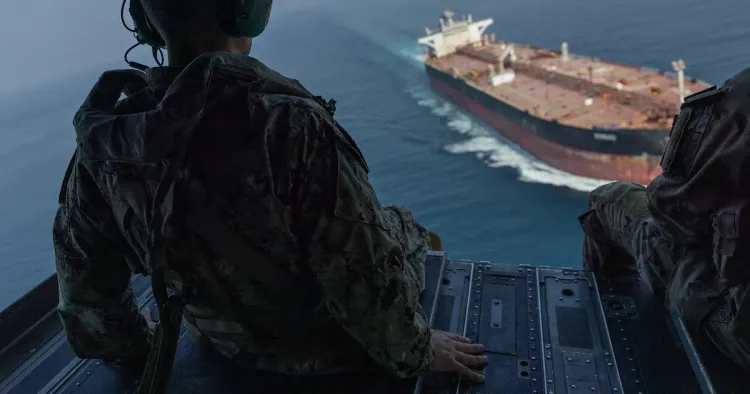
Iranian state media reported late Sunday that two oil tankers had exploded after hitting mines while passing through Hormuz. The reports said the ships were using a route the Islamic Revolutionary Guard Corps Navy had declared unauthorized.
Saudi Arabia and the UAE have condemned attacks on maritime targets. The UAE says it is pursuing a diplomatic breakthrough while preparing for possible further escalation.
Attacks on neutral shipping also marked the 1980-88 Iran-Iraq war. Strikes against oil facilities developed into a "tanker war," with both countries targeting neutral vessels. The BBC reported that US warships eventually escorted Kuwaiti tankers through the Gulf, an operation the US Naval Institute describes as one of the largest naval surface warfare operations since World War Two.
More recently, the Japanese-owned Kokuka Courageous and Norwegian-owned Front Altair were attacked in the Gulf of Oman near Hormuz in June 2019. According to the BBC, the US blamed Iran and released footage it said showed Revolutionary Guard personnel removing an unexploded limpet mine. Iran "categorically rejected" the accusation as unfounded.
Trump defends energy costs ahead of midterms
At an Iowa election rally on Sunday, November 1, Trump predicted that the war would end "very soon" and defended the rise in oil prices as "a very small price to pay" for American and global security. He claimed the US campaign had prevented Iran from acquiring nuclear weapons.
Trump said energy prices had risen less than he expected and predicted oil would come "plunging" after the fighting ends. He offered neither a settlement timetable nor details of how the war would end. Higher energy costs have added pressure on American households ahead of the November 3 elections.
Disruptions to Gulf shipments have accompanied oil prices above $100 a barrel. At 10:11 a.m. Beijing time on Monday, November 2, WTI crude stood at $101.70, down $2.39, or 2.30%. Brent fell $2.27, or 2%, to $111.20, while Murban rose 1.85% to $114.80 a barrel.
The scale of the Hormuz disruption
Before the war, Hormuz carried about 20 million barrels of crude oil and oil products daily in 2025, according to the International Energy Agency's factsheet, last updated in February 2026. Those shipments represented roughly 25% of global seaborne oil trade, and about 80% went to Asia. Almost 20% of global liquefied natural gas trade also passes through the strait, mostly from Qatar and the UAE.
The current war began with US and Israeli strikes on Iran on February 28, 2026. Iran retaliated by closing Hormuz, according to the BBC. In its July 14 report, the BBC said daily traffic had fallen to a handful of ships since the war began. The prewar average was 138 ships a day, according to the Joint Maritime Information Center, a multinational group that includes the US.
The IEA's June 22 commentary put cumulative oil supply losses among Middle East producers at more than 1.3 billion barrels. Oil flows through Hormuz averaged 2.7 million barrels a day across March, April and May, compared with around 20 million before the conflict.
The agency also reported that the North Sea Dated crude benchmark reached a record $144 a barrel in early April, more than twice its prewar level. Within two weeks of the conflict's start, IEA member countries agreed to release 400 million barrels from emergency stocks to help offset the disruption, the largest such release ever.