US rejects Iran's drone claims as Qeshm explosions remain unverified
Iran's Revolutionary Guards claimed to have downed and captured US drones near the Strait of Hormuz, drawing denials from US officials. Reports of explosions on Qeshm Island also remained unverified as Qatar-mediated talks in Doha continued without a breakthrough.
 Omar Al Nuaimi
Conflicting accounts of drones and explosions
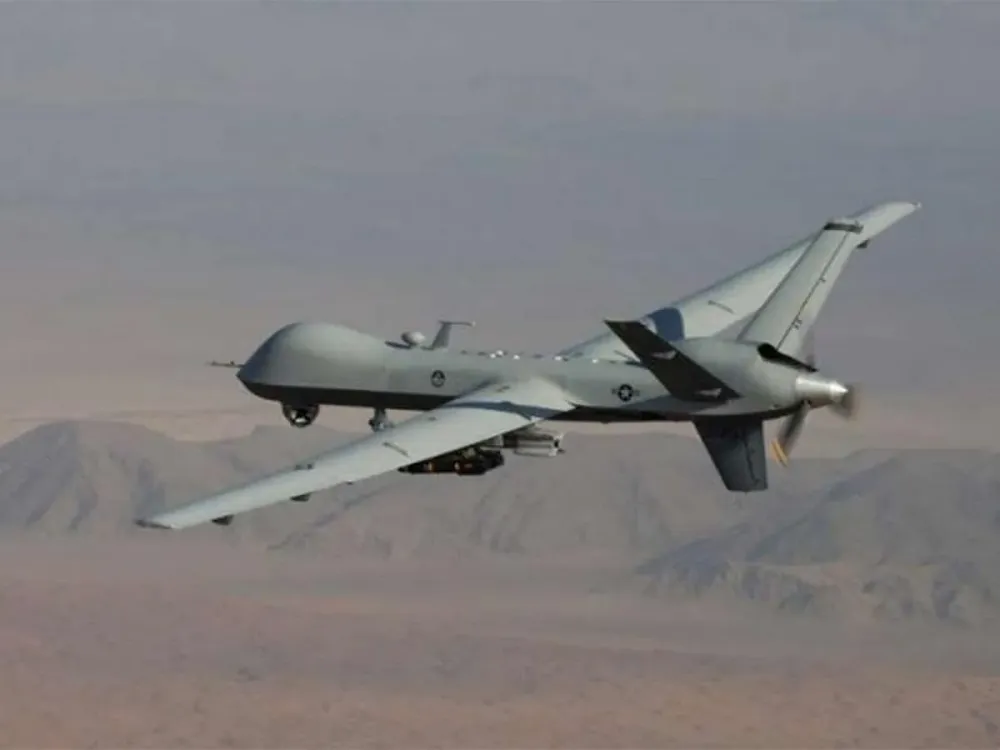
Media affiliated with the Revolutionary Guards reported that Iranian forces had brought down and seized a US MQM-170 near Qeshm. US Central Command called that claim false. The Guards also reported destroying an MQ-9 east of the strait and downing another MQM-170 reconnaissance drone south of Qeshm, claiming to have captured both aircraft. Those accounts lack independent verification, and the Pentagon has not confirmed them.
Mehr News had earlier carried an Iranian claim that electronic warfare was used to seize another MQM-170 in the western Strait of Hormuz. US officials denied that account as well. In a separate dispute, Iranian media said an unmanned US vessel had been destroyed in the eastern strait; Central Command said every American unmanned surface vessel in the region was accounted for.
Iranian state media, including IRNA, reported five closely spaced explosions on Qeshm. Some residents also reported seeing two aircraft overhead. There was no independent confirmation of what caused the blasts, what was targeted or whether anyone was hurt. Fars reported additional explosions in waters off Bandar Lengeh, without attributing them to anyone.
Israeli broadcaster N12 offered a separate explanation for the Qeshm blasts on the night of Nov. 1-2, 2026: a US attack on an air-defense system. N12 characterized it as one of several limited US operations conducted in recent weeks without formal announcements. Its account has not been independently verified, and no official US confirmation was reported.
Diplomacy, the blockade and oil prices
Washington and Tehran continue to pass messages through intermediaries in Doha, but neither side has reported a breakthrough. Vice President JD Vance said there had been progress and that no deadlines had been set for resuming strikes.
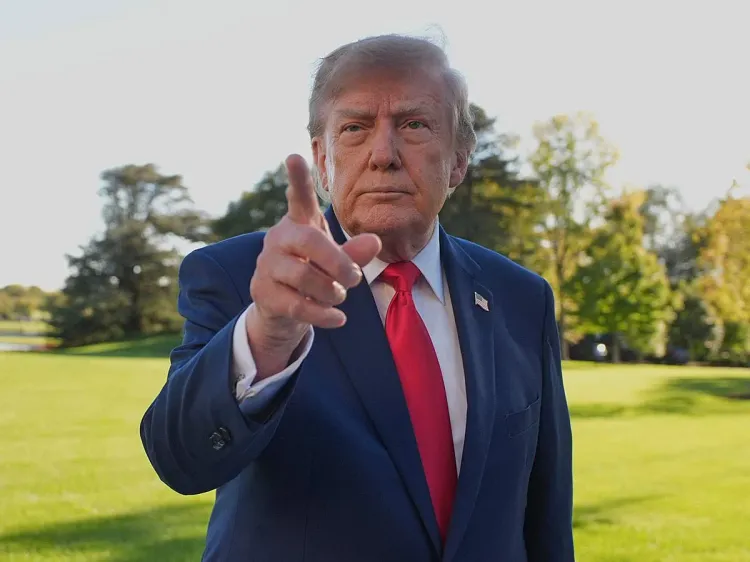
President Donald Trump linked lower oil prices to expectations that war with Iran would be avoided, writing on Truth Social that prices were "dropping like a rock." He added: "Iran wants a settlement, as soon as possible. It could happen!"
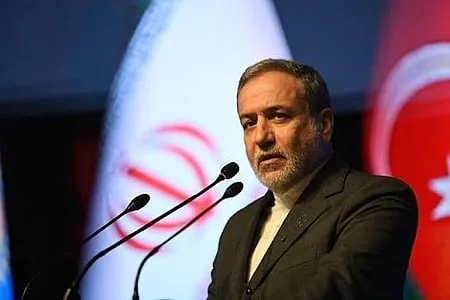
Iran's position remained that nothing had been settled. Foreign Ministry spokesman Esmaeil Baghaei said Washington must make the next move and that the Strait of Hormuz could not reopen while the US naval blockade remained in place. Axios reported that Netanyahu was pressing Trump to attack Iran immediately after Tuesday's midterm elections.
Early on Nov. 2, Brent's front-month January contract traded at about $109.75 to $110, roughly 3 percent below Friday's $113.43 settlement. Traders pointed to Iran's offer to reopen Hormuz for two days as a diplomatic counterweight to the Nov. 1 attacks. OPEC+ kept December production at 31 million barrels per day, maintaining current output through the end of the year.
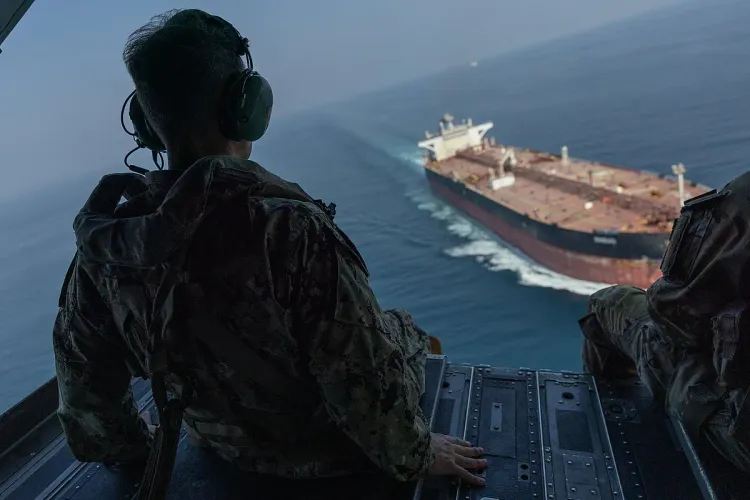
The blockade has also changed vessel movements. In statements available as of Oct. 31, Central Command said it had redirected 144 vessels since the blockade resumed. Before the war, approximately 138 vessels transited the strait each day.
An Oct. 28 advisory from US Naval Forces Central Command, distributed through the Joint Maritime Information Center, urged ships without a need to enter the Gulf of Oman and Strait of Hormuz to stay well clear. It also told vessels to allow additional transit time for "military blockade enforcement operations." Bloomberg reporting carried by Transport Topics said the blockade had reduced Iranian crude exports to nearly zero, while Iranian attacks on ships reached a wartime high of almost 30 in October.
Tanker and tug struck on Nov. 1
The UK Maritime Trade Operations logged a tanker strike at 23:47 UTC on Nov. 1, about 72 nautical miles east of Saudi Arabia's Ras Al Khafji, near the Saudi-Kuwaiti maritime border. The tanker was traveling southeast when two unidentified projectiles hit its port side.
UKMTO said all crew members were accounted for and that no environmental impact had been reported. It did not identify the tanker or the projectiles. Separately, Iran reported that four tankers had "exploded" in the Strait of Hormuz.
Earlier that day, at approximately 15:00 UTC, the Panama-flagged offshore tug Selat Storm was struck inside the strait, northwest of the Musandam Peninsula. The roughly 1,300-deadweight-ton vessel partially sank. The status of its crew remained unknown as of Nov. 2.
Selat Storm was the third tug struck near Hormuz in 2026. The UAE-registered Mussafah 2 sank on March 6, killing four people, and the Dutch-flagged JIF Barracuda was struck on Oct. 18.
According to Seatrade Maritime News, the Nov. 1 tanker strike raised the number of Gulf shipping incidents since Oct. 31 to at least 10, a tally it described as the war's highest monthly attack total.
Regional condemnation
GCC Secretary General Jasem Mohamed Albudaiwi condemned the attacks on energy tankers as "a dangerous escalation that undermines the security of the region" and called for those responsible to be held accountable, Asharq Al-Awsat reported on Nov. 2.
The Arab League separately said targeting commercial vessels "endangers maritime navigation and the safety of crews and violates international law."