Second attack on Riyadh's PIF Tower in five days injures 11
An attack on a tower in Riyadh's King Abdullah Financial District injured 11 people on November 24, 2026, Saudi Civil Defense said. Authorities blamed the Houthis for what they called a "terrorist attack" on the building, which was also damaged on November 19.
 Omar Al Nuaimi
Injuries and the tower's identification
The injured included two Saudi nationals and nine residents: two Indians, three Nepalese and four Egyptians. Saudi authorities said emergency personnel responded immediately and followed all approved response procedures.
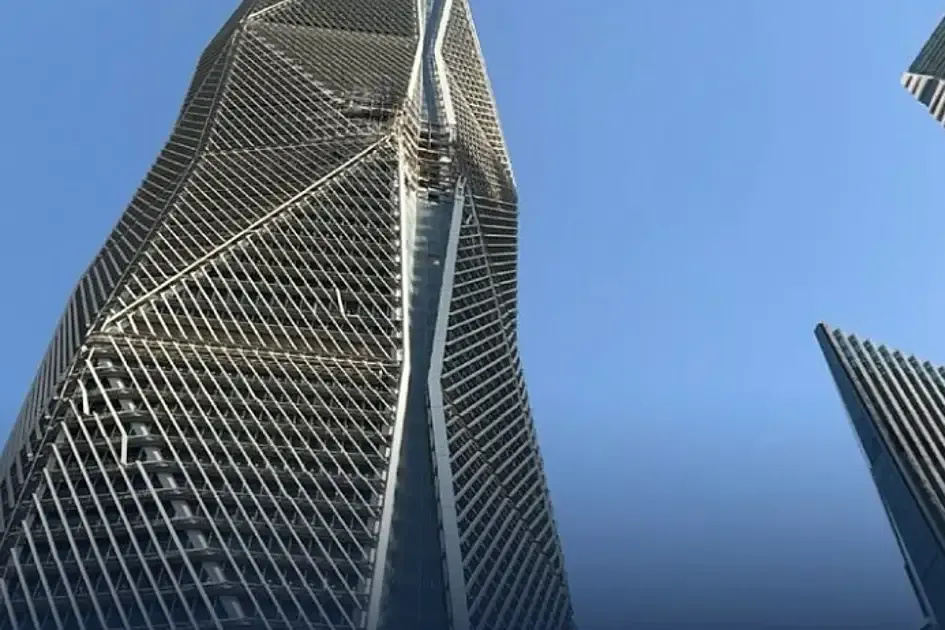
Officials released a photograph without naming the tower. The image showed the PIF Tower, and Al-Monitor reported that three witnesses interviewed by Agence France-Presse identified it as the building struck.
The 385-meter (1,263-foot) skyscraper is Riyadh's tallest building and the headquarters of the Public Investment Fund, Saudi Arabia's sovereign wealth fund.
Al-Monitor reported that the Houthis had not claimed responsibility as of its November 24 reporting. Houthi spokesperson Yahya Saree instead alleged on X that Saudi forces had conducted 72 airstrikes "targeting civilian sites" in Sanaa and the governorates of Taiz, Hodeidah, Ibb, Lahj, Al-Jawf and Saada. He said civilians had been killed and wounded but provided no casualty figures.
Earlier strikes and restrictions in the district
The November 19 Houthi attack on the PIF Tower caused no reported injuries but damaged several floors and nearby buildings. Reuters and Dawn reported that windows were shattered across seven to eight floors and sections of the tower's metal facade were bent. Authorities closed the financial district to visitors after the attack.
In its account of that incident, the Saudi-led coalition said it had destroyed a Houthi cruise missile headed toward the Riyadh region. It also reported destroying two drones launched toward the Riyadh and southern regions.
Another building in the district had been damaged earlier in the month. On November 8, the Houthis claimed an attack on a Saudi Aramco office building, Al-Monitor reported. Debris hit the building after Saudi air defenses intercepted a projectile.
The district, which also contains offices of Brookfield and Goldman Sachs, had already been operating under remote-work orders since deadly Houthi attacks on Riyadh's main airport in October, according to Bloomberg News reporting carried by Insurance Journal. The Saudi capital has continued to face attacks on a near-daily basis.
Wider war and requests for air defenses
Reuters places the hostilities within the wider war that began when the United States and Israel attacked Iran in February 2026. Yemen's previously frozen civil war resumed in July amid the US-Iran war, and the Houthis have since targeted Saudi airports and oil infrastructure.
On November 18, Reuters reported that Saudi officials expected the Yemen campaign could last up to six months. That assessment came from two Western officials briefed by the Saudis and a third source familiar with the plans. Crown Prince Mohammed bin Salman met Admiral Brad Cooper, the US Central Command chief, in Riyadh that day. It was Cooper's third publicly reported visit to the kingdom since fighting in Yemen resumed.
Saudi Arabia has also sought more air-defense equipment as it prepares for a potentially prolonged conflict. According to a Semafor report cited on November 24, Saudi Defense and Foreign Ministry officials approached the United States, the United Kingdom, France and other countries across the Americas and Asia. Their requests included ground-based air-defense systems and air-to-air missiles for intercepting drones.