Trump pauses Iran strikes as Tehran demands US honour Islamabad deal
US President Donald Trump cancelled planned military strikes on Iran after regional countries requested a pause, saying the framework for a deal on reopening the Strait of Hormuz and ending Iran's nuclear programme had been agreed. Iran insists Washington must honour the June agreement.
Trump announces pause in military operations
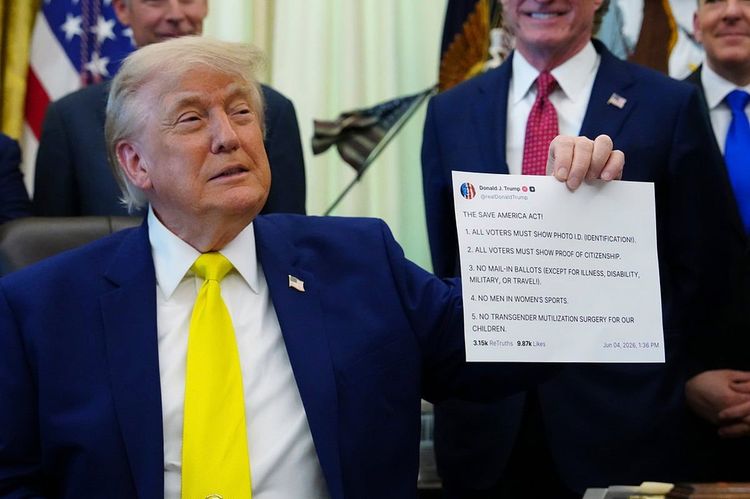
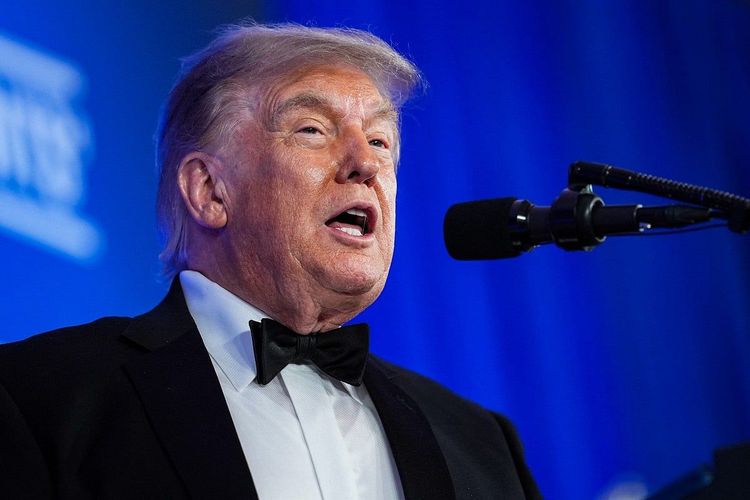
US President Donald Trump announced on Saturday that he had cancelled a planned military attack on Iran, saying Tehran and other Middle Eastern countries had requested a pause after agreeing to the framework of a deal that would reopen the Strait of Hormuz and address Iran's nuclear programme.
In a statement posted on Truth Social, Trump said the United States military had been prepared to launch an operation with "strength and power not seen since World War II", but that he had agreed to hold back based on the request. Israel, he added, had joined the commitment to pursue the deal.
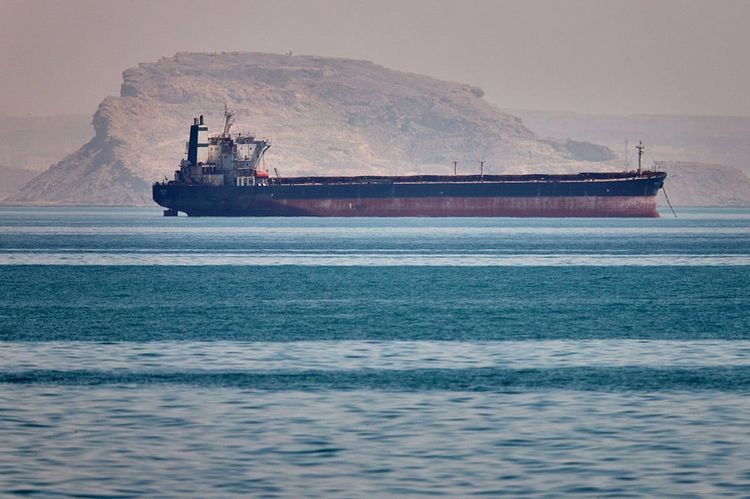
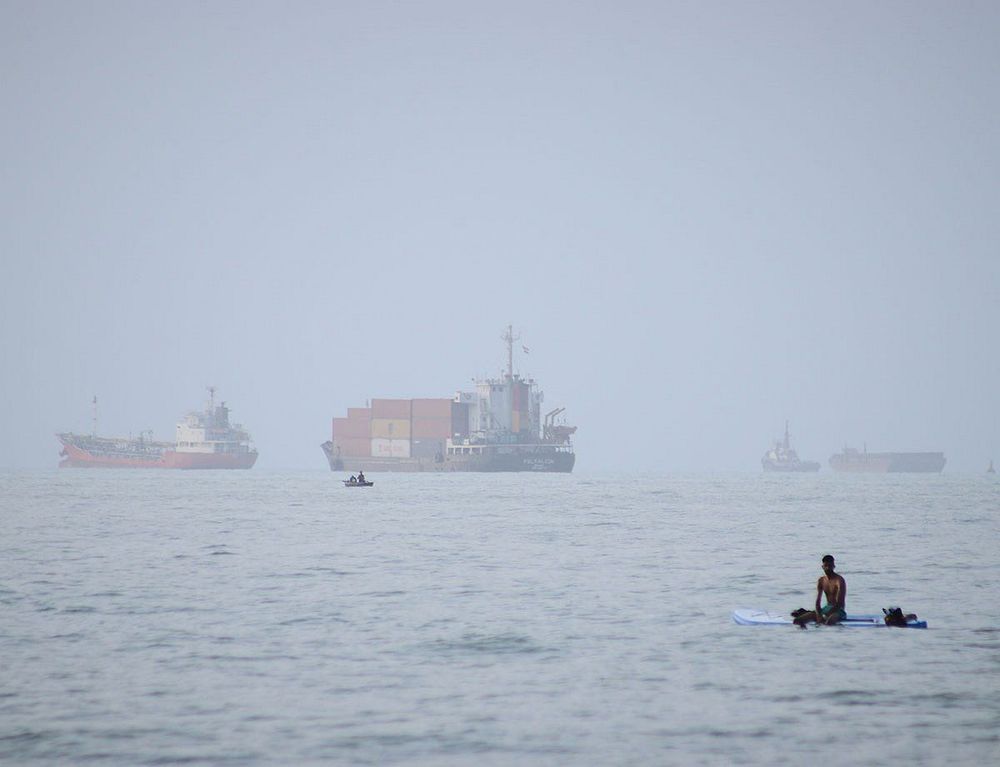
The proposed agreement would include the "immediate, complete and total opening" of the Strait of Hormuz—a vital maritime chokepoint that handles approximately 20 million barrels of oil per day, representing roughly one-fifth of global petroleum consumption—and an end to Iran's nuclear threat, Trump said. The cancellation remains conditional on reaching an agreement quickly.
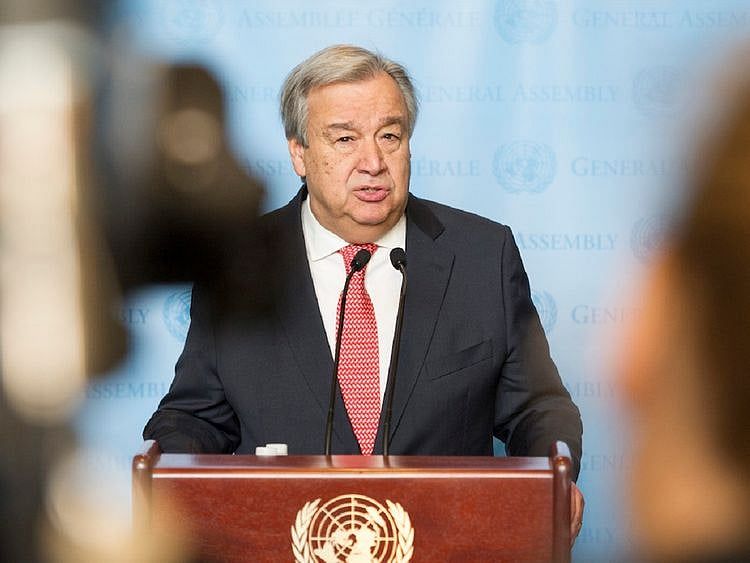
Iran, however, rejected reports that it had asked the US to refrain from strikes. The semi-official Mehr news agency, citing military officials, described Trump's claim as "nothing but a new lie" and said Iranian armed forces remained on high alert. President Masoud Pezeshkian said on X that the US must honour the memorandum of understanding it signed, calling the agreement "the cornerstone" of Tehran's future foreign relations.
Revival of Islamabad agreement
The diplomatic manoeuvring appears focused on reviving the Islamabad Memorandum of Understanding, signed on June 17, 2026. The 14-point framework, brokered primarily by Pakistan with support from Qatar, Saudi Arabia, Turkey and Egypt, established an immediate cessation of hostilities, a 60-day negotiation period for a final agreement, and provisions for reopening the Strait of Hormuz.
Hassan Ghashghavi, spokesman for Iran's parliamentary national security commission, confirmed in a video interview on Sunday that mediators were working to revive the June deal. "There is an effort underway to revive the 14-point Islamabad agreement, particularly by the mediators," he said, adding that the Strait of Hormuz issue remained central to negotiations.
Iranian Foreign Minister Abbas Araghchi said on Sunday that Tehran and Muscat were close to reaching a deal on a new maritime route through the strait—"neither the northern route nor the southern route"—that would respect the sovereign rights of both sides. Iran's Fars News Agency, however, reported that Tehran had rejected a US-backed Qatari proposal to reopen the waterway, citing military sources who said the strait remained closed and that vessels seeking passage must obtain authorisation from the Islamic Revolutionary Guard Corps Navy.
Regional diplomacy intensifies
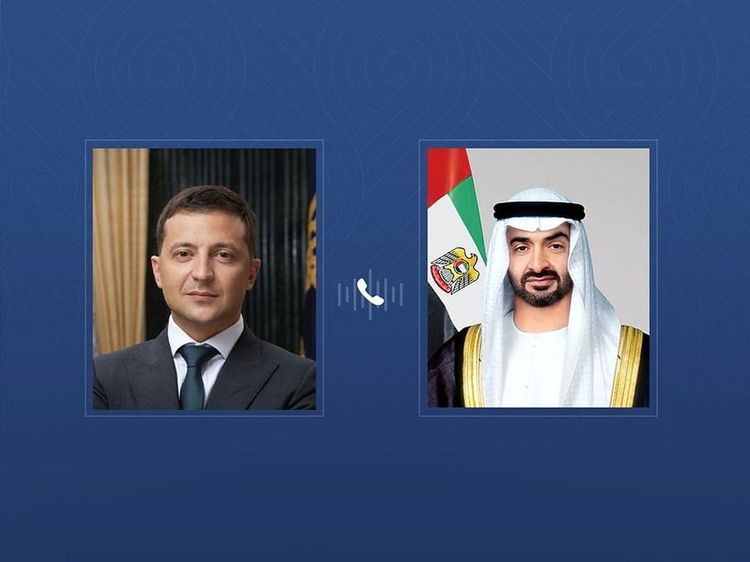
Regional leaders moved quickly to coordinate their positions. Saudi Crown Prince Mohammed bin Salman and Trump discussed the latest developments by phone, with the crown prince stressing the need to prioritise dialogue and reduce escalation, according to the Saudi Press Agency.
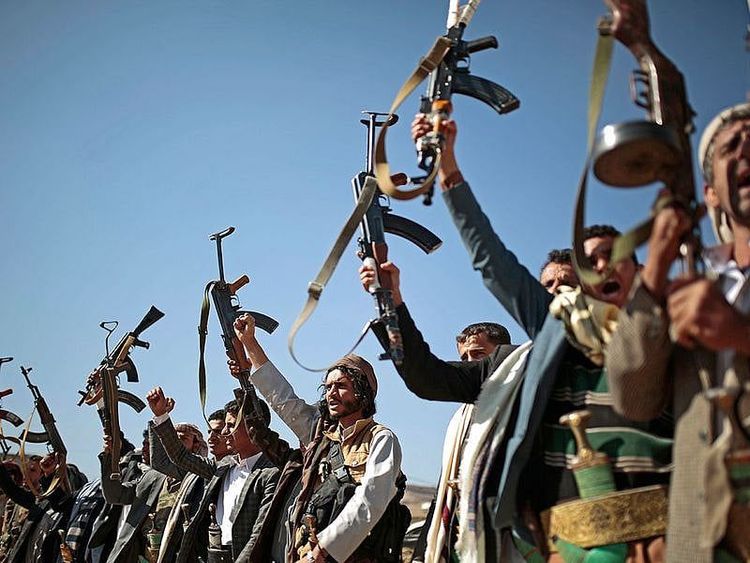
The call comes amid heightened tensions following Iranian retaliatory attacks in late July on what Tehran described as US-linked assets in Bahrain, Kuwait, Oman, Jordan and Qatar, which killed four American soldiers. Iran-backed Houthis also announced a naval blockade of Saudi Arabia in the Red Sea on July 20, widening the conflict's regional impact.
US Secretary of State Marco Rubio defended Trump's approach in an interview with Fox News, saying recent American strikes had "severely degraded" Iran's navy, air force, missile defences and weapons-production facilities. "I don't think the Iranian regime has ever faced a President like Trump, which is somebody that actually takes action," Rubio said, arguing that Washington was now negotiating "from a position of strength."
Oil markets watch closely
Against the backdrop of the conflict, OPEC+ agreed on Sunday to increase oil production by 188,000 barrels per day from September. The decision by seven member countries—Saudi Arabia, Russia, Iraq, Kuwait, Kazakhstan, Algeria and Oman—marks the fifth consecutive monthly increase, continuing a gradual unwinding of production cuts the group maintains at approximately 3.24 million barrels per day, or about 3% of global demand.
The production adjustment reflects energy markets' close monitoring of the conflict. China and India together receive approximately 44% of oil exports passing through the Strait of Hormuz, with about 84% of all crude shipped through the waterway destined for Asian markets, underscoring the global economic stakes in reopening negotiations.
Military operations continue
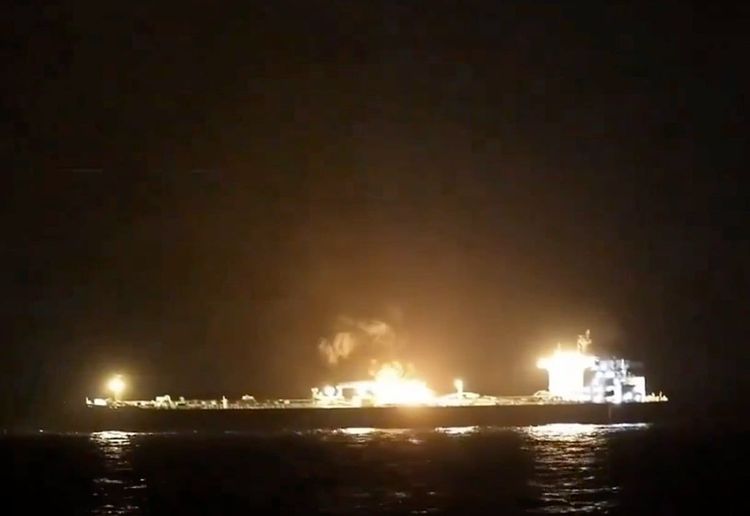
Despite the diplomatic push, military activity persisted across the region. US Central Command said that as of August 2, it had redirected 35 commercial vessels, disabled two and boarded another two as part of ongoing maritime operations linked to the blockade against Iran. The USS Abraham Lincoln, a nuclear-powered Nimitz-class aircraft carrier capable of carrying 90 aircraft and accommodating up to 5,680 personnel, continued operations in the Arabian Sea, with a US Marine Corps F-35C stealth fighter launching from the carrier on Sunday.
In Lebanon, the United Nations expressed concern over Israel's ongoing demolitions in the south despite a ceasefire in its war with Iran-backed Hezbollah. The UN special coordinator for Lebanon said the "scale of the detonations and demolitions" was "deeply concerning", with a "devastating impact on civilian infrastructure, cultural heritage, and the collective memory of communities."
The statement came after Israeli forces carried out large overnight detonations near Beaufort Castle, a Crusader fortress built in 1139 that overlooks the Litani valley from a strategic clifftop position. The castle was added to UNESCO's List of World Heritage in Danger on July 24 as part of the Five Castles of Jabal Amel nomination. Israeli Prime Minister Benjamin Netanyahu and Defence Minister Israel Katz said the army had destroyed "terror tunnels in the Beaufort area" using approximately 700 tonnes of explosives.
Lebanese President Joseph Aoun labelled the detonation "an extremely dangerous escalation" and "a direct threat to the process which was launched as part of the framework agreement" reached with Israel during US-sponsored talks last month.
Diplomatic obstacles remain
Iran's foreign ministry spokesman Esmaeil Baqaei told state television that Tehran was seeking a route through the Strait of Hormuz that "safeguards our national interests and security", but he accused Washington of breaching the June memorandum of understanding by failing to allow shipping traffic to resume within an agreed timeframe. He said the United States had "attacked us before the agreed-upon period expired".
The UK, Bulgaria and Ukraine have told Tehran they will not participate in any military action against Iran, Baqaei said, signalling a diplomatic effort to limit the scope of any wider confrontation. Meanwhile, Iran's defence minister said Tehran treats every US threat as a serious matter and is increasing combat readiness while strengthening deterrence capabilities.
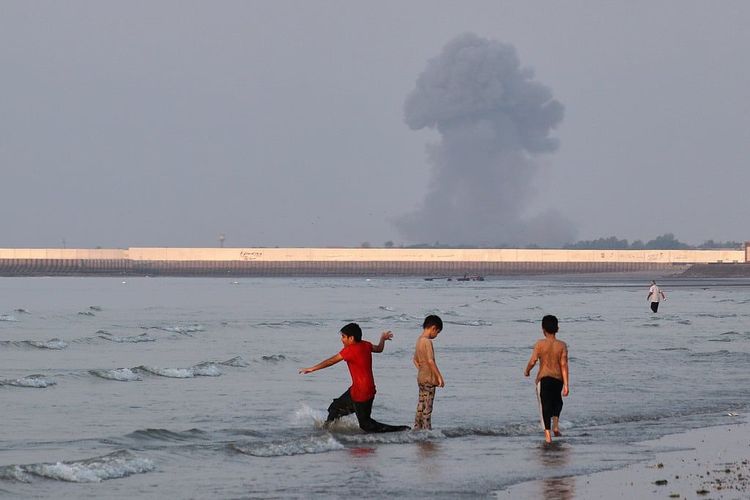
In Iraq, a large fire broke out in Sulaimaniyah city following a drone attack on Sunday that targeted the Peshmerga's 70th Brigade headquarters. Air defences intercepted the drones, but debris fell near the site and ignited a blaze. No group claimed responsibility, though Lebanese outlet Al Mayadeen reported that Iran-backed groups in Iraq were behind the strike.