Trump's pattern of halting then resuming Iran strikes creates whiplash diplomacy
President Donald Trump announced late Saturday he would halt new attacks on Iran pending renewed talks, marking the latest in a months-long cycle of threatened escalation followed by abrupt reversals that have defined the five-month conflict.
Trump's pattern of halting then resuming Iran strikes creates whiplash diplomacy
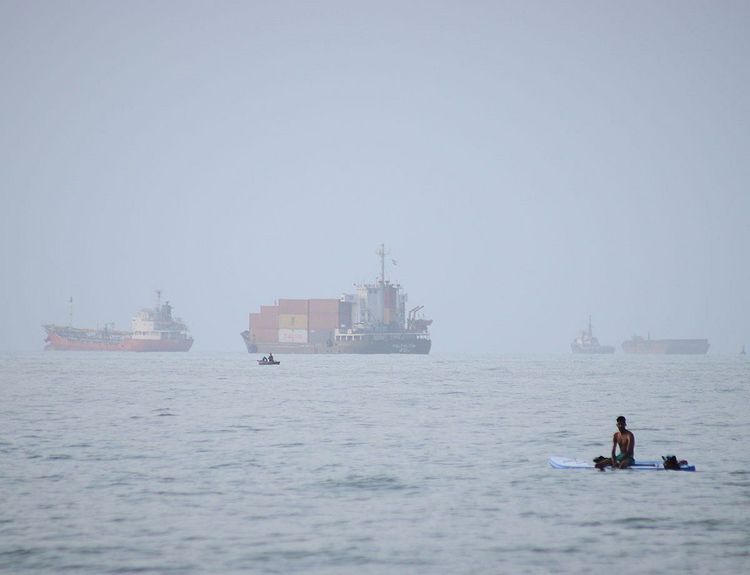
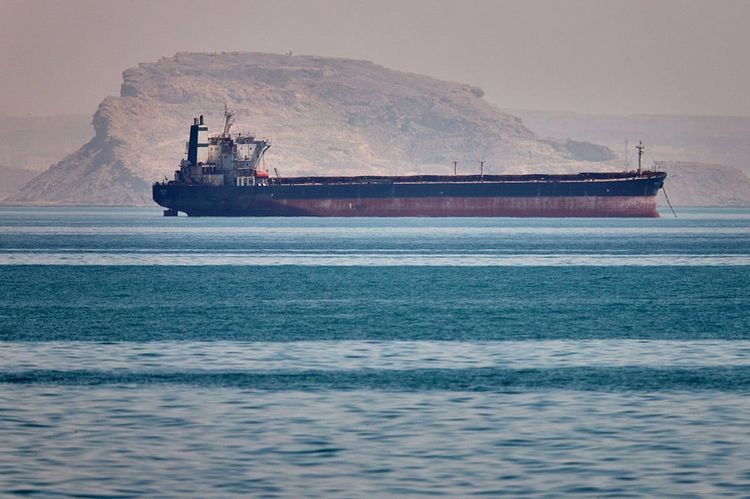
President Donald Trump announced late Saturday that he would halt new planned attacks on Iran pending renewed talks to wind down the war and revive stalled cargo traffic through the Strait of Hormuz, a waterway that handles approximately 20 million barrels of oil per day and represents about 25% of global seaborne oil trade.
The announcement marks the latest in a pattern that has become a defining feature of the five-month conflict: Trump threatens massive strikes, then calls them off hours or days later, only to resume attacks shortly afterward. The unpredictable cycle has sent oil prices soaring and created economic uncertainty worldwide.
How the conflict began
The war erupted on February 28, 2026, when the United States and Israel launched coordinated strikes on Iran, killing Supreme Leader Ali Khamenei and targeting Iranian nuclear facilities, military infrastructure, and leadership. The conflict has since claimed thousands of lives in Iran and Lebanon, dozens in Israel and Gulf Arab states, and displaced more than one-sixth of Lebanon's population after the war prompted the resumption of fighting between Israel and Hezbollah.
Following the outbreak of hostilities, about 90% of traffic through the Strait of Hormuz was diverted to avoid the conflict zone. When Iran threatened to attack ships, that number rose above 95%. The International Energy Agency characterized the disruption as the largest supply disruption in the history of the global oil market.
Oil prices have surged more than 55% since the start of the war, with Brent crude jumping from around $72 per barrel on February 27 to nearly $120 at its peak in the weeks following the strikes. The disruption has particularly affected Asian markets, which receive approximately 89% of crude oil and condensate that transits through the waterway, with China alone receiving about 37.7% of all oil exports passing through the strait.
A timeline of stops and starts
On April 7, the United States and Iran agreed to a two-week ceasefire mediated by Pakistan. Trump made the announcement less than two hours before a deadline he had set for Tehran to capitulate or face attacks on bridges and power plants — strikes he said would mean
a whole civilization will die.Iran had rejected a draft proposal for a 45-day ceasefire framework and instead proposed its own 10-point plan for peace.
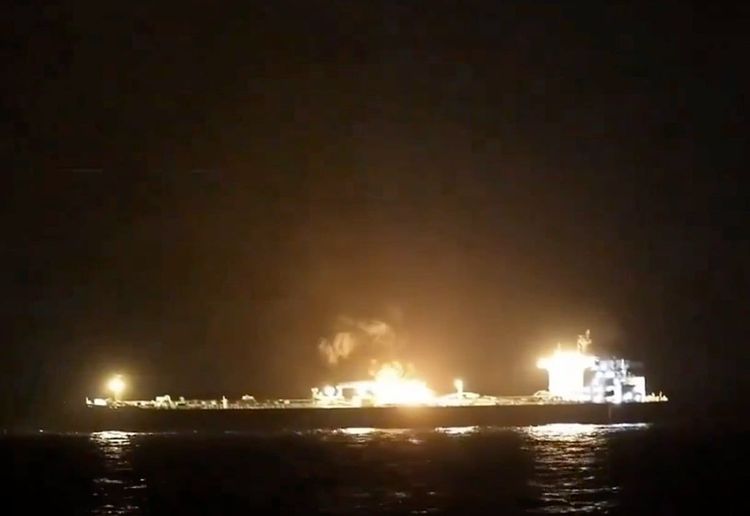
On April 21, Trump announced the U.S. was indefinitely extending its ceasefire with Iran a day before it was to expire, saying he had been asked by mediators to hold off on attacks. The fragile ceasefire lasted until May 8, when U.S. forces carried out strikes on Iranian tankers.
After a weekend of dire threats against Iran in mid-May, Trump said on May 18 he was holding off on a major planned military strike because serious negotiations were underway.
There seems to be a very good chance that they can work something out. If we can do that without bombing the hell out of them, I'd be very happy,he said. By May 27, U.S. strikes were back on after negotiations faltered.
On June 11, after two days of back-and-forth attacks, Trump threatened further escalation, saying the U.S. would hit Iran VERY HARD TONIGHT and take total control of its oil and gas industries. Hours later, Trump posted on social media that there had been a breakthrough in negotiations and called off the strikes.
Agreement and renewed violence
Six days later, on June 17, Trump signed an initial agreement with Iran calling for a permanent end to hostilities and reopening of the strait, starting a 60-day negotiating clock to reach a final deal on the future of Iran's nuclear program. Trump left the door open to abandoning it.
It's a memorandum of understanding, and if I don't like it, we'll go back to shooting at them, dropping bombs,he said.
The pattern of Trump's approach to Iran echoes his previous dealings with Tehran. In 2018, he withdrew the United States from the 2015 Iran nuclear deal, calling it the
worst deal ever,and Iran began ignoring limitations on its nuclear program a year later.
After Iranian attacks on commercial ships in the strait, Trump launched new strikes on Iran on July 7 while attending the NATO leaders' summit in Ankara, Turkey. He later renewed his threat to
just finish the jobon Iran after saying he believed the ceasefire was over.
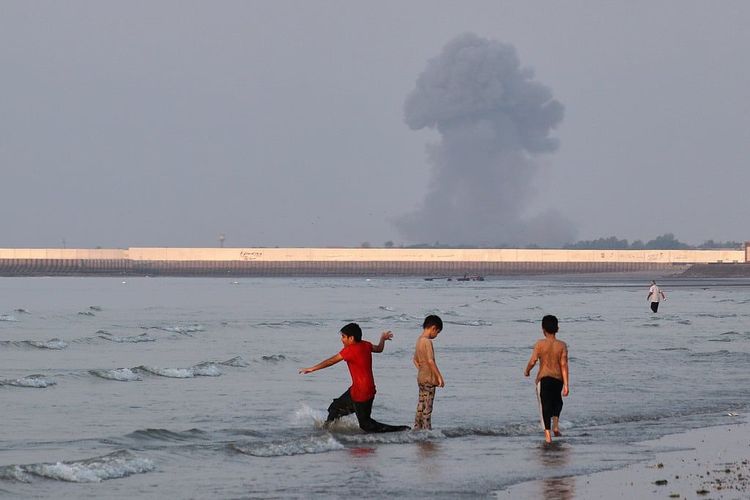
On July 27, Trump said he had paused two weeks of intense, daily U.S. strikes on Iran to give negotiations another chance. During 13 days of strikes, the U.S. military had targeted key military and commercial sites as clashes continued to escalate. In response, Iran had launched missiles and drones across the Middle East at countries that host U.S. troops.
On August 1, after telling reporters the U.S. would hit Iran
very hard,Trump said on social media that he had canceled planned strikes, claiming Mideast allies had reached the parameters of a deal to end the war, including reopening of the strait.
Based on this request, I have agreed, for the future benefit of the WORLD and, likewise, the survival of a successful and prosperous Iran, to cancel the attack, subject to being able to rapidly make a DEAL,Trump said.
In response, Iran's defense minister said the country was
neither surprised nor passivefollowing Trump's announcement and said Iran continues to remain alert in the face of threats.