Trump and Qatar's Emir discuss de-escalation efforts amid active US-Iran mediation
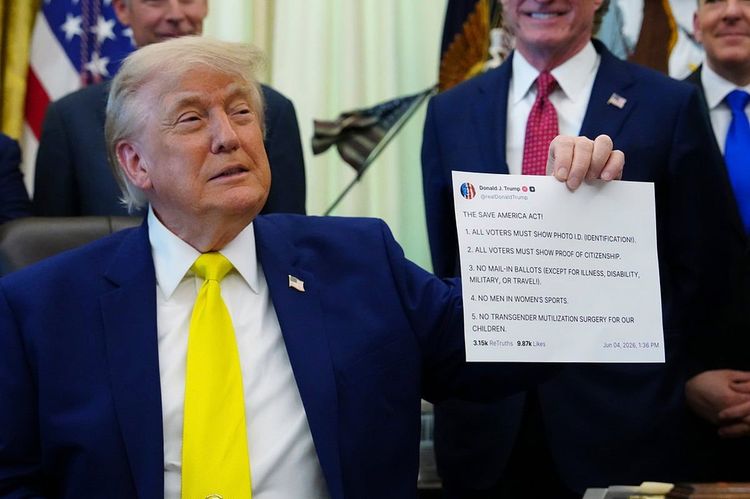
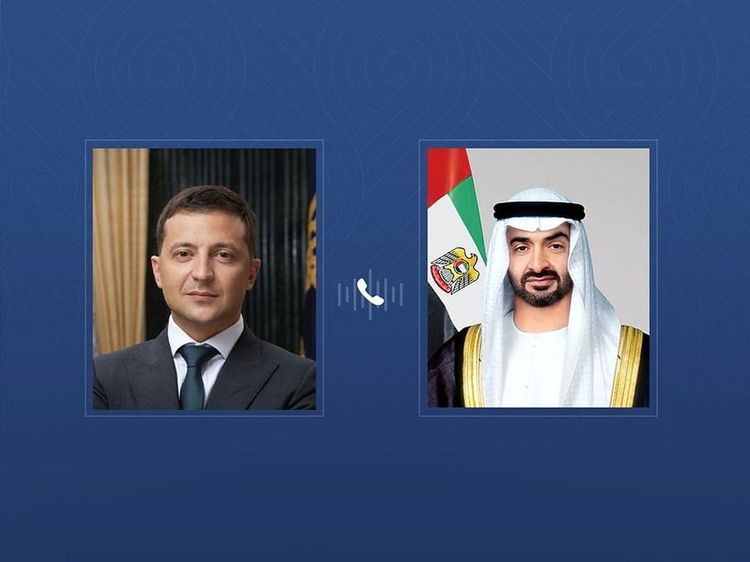
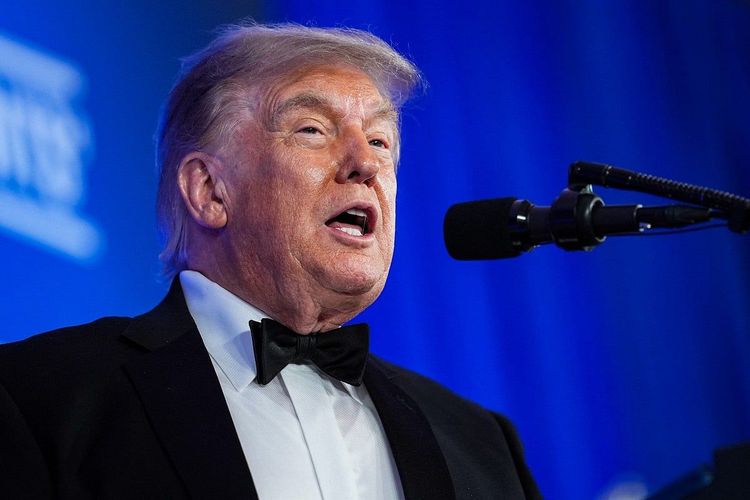
President Donald Trump and Qatari Emir Sheikh Tamim bin Hamad Al Thani held a telephone conversation on Tuesday focusing on reducing US-Iran tensions as mediation efforts reach advanced stages with draft agreements circulating between parties.
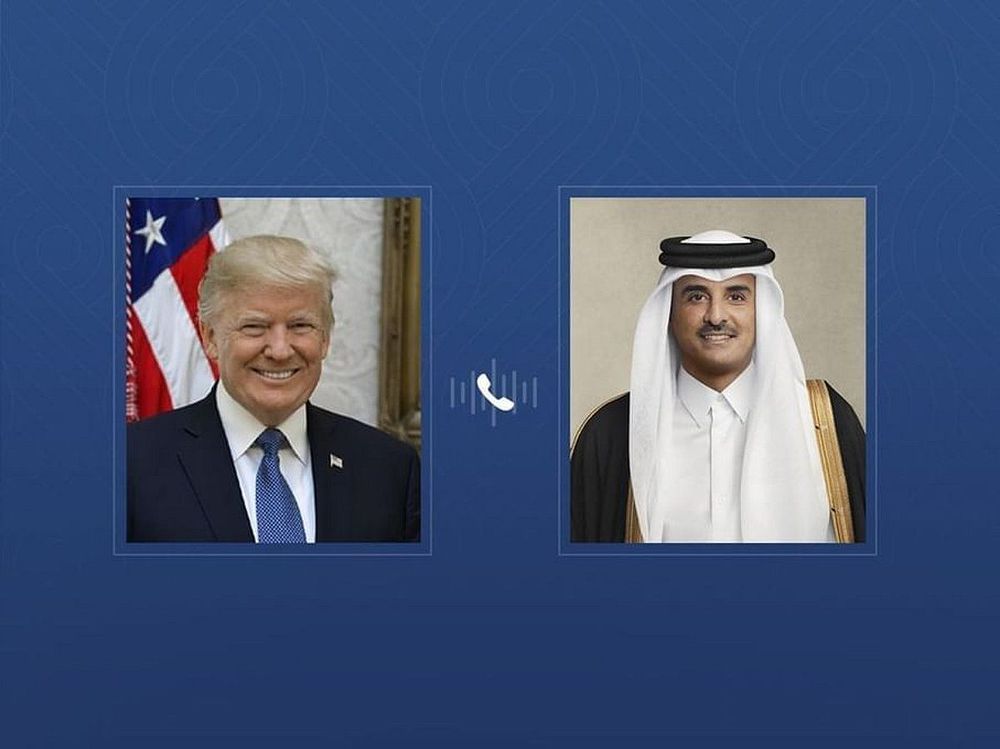
Trump and Qatar's Emir discuss de-escalation efforts amid active US-Iran mediation
Qatari Emir Sheikh Tamim bin Hamad Al Thani received a telephone call from US President Donald Trump on Tuesday to discuss ongoing efforts to de-escalate tensions between Washington and Tehran, as regional mediation efforts enter what Qatar's foreign ministry describes as very progressive stages.
The conversation centered on the latest regional developments and diplomatic initiatives aimed at reducing tensions between the United States and Iran. Both leaders emphasized the importance of sustained coordination on regional and international matters that affect their mutual interests.
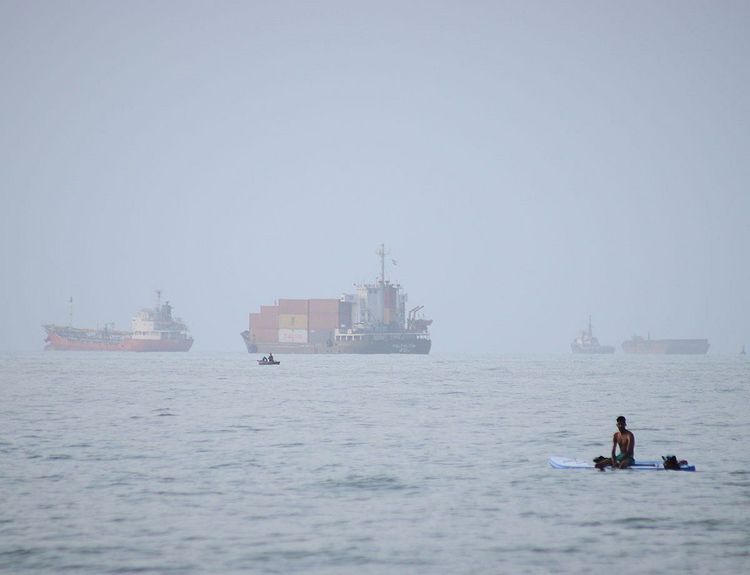
Sheikh Tamim stressed the necessity of continued dialogue and diplomatic approaches to address contentious issues between the parties. The Emir specifically urged adherence to the memorandum of understanding signed by President Trump and Iranian President Masoud Pezeshkian on June 17, 2026. That agreement established an immediate cessation of military operations, restoration of commercial navigation through the Strait of Hormuz, and sanctions relief for Iranian oil exports, while setting a 60-day timeline for negotiating a comprehensive final settlement.
The telephone call comes as Qatar coordinates closely with Pakistan and Oman to facilitate indirect contacts between Washington and Tehran. Qatari foreign ministry spokesperson Majed Al Ansari confirmed on August 4 that mediation efforts have reached very progressive stages, with draft language being circulated among the parties involved.
Qatar's Strategic Mediation Role
Qatar's position as mediator reflects both its diplomatic credentials and its complex strategic situation in the region. The country has established itself as an effective regional mediator, having successfully facilitated the 2020 US-Taliban Doha Agreement and previously co-mediating the June 2025 ceasefire that ended the Twelve-Day War between Iran and Israel. That earlier ceasefire held until the current conflict erupted in February 2026.
Qatar's constitution enshrines mediation as a core foreign policy tool, with Article 7 committing the state to promoting peaceful settlement of disputes through dialogue. This constitutional mandate has positioned Doha as a trusted intermediary in multiple regional conflicts.
The emirate maintains unique relationships that enable its mediation efforts. Qatar and Iran share control of the world's largest natural gas field along their maritime border, with the field generating approximately 80 percent of Qatari government revenues. Qatar restored full diplomatic relations with Tehran in August 2017 after other Gulf states imposed a blockade, during which Iran provided critical economic support and airspace access.
Simultaneously, Qatar hosts Al Udeid Air Base, the largest US military installation in the Middle East, with approximately 10,000 to 11,000 American military personnel. The base serves as the forward headquarters for US Central Command, underscoring the depth of US-Qatari security cooperation.
Mediation Amid Direct Threats
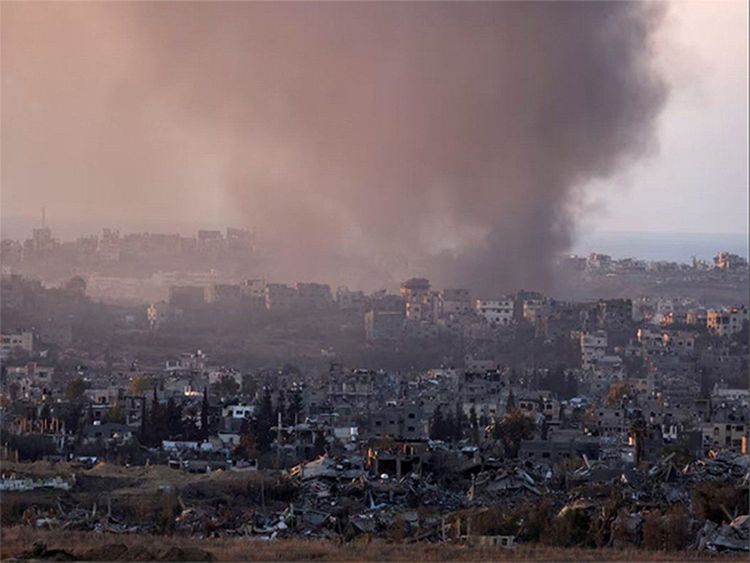
Qatar's mediation role has continued despite the country itself being targeted during the conflict. The current US-Iran confrontation began on February 28, 2026, with US and Israeli strikes on Iran following the breakdown of earlier negotiations. Iran subsequently launched missile strikes on Qatar and other regional countries in early March, including attacks on Al Udeid Air Base on March 4 and Qatar's critical energy infrastructure at Ras Laffan Industrial City on March 2.
During Tuesday's call, Sheikh Tamim emphasized the need for all parties to support international initiatives aimed at containing tensions in ways that contribute to consolidating peace and security at regional and international levels. The leaders agreed on the importance of continuing consultation as diplomatic efforts advance toward a potential sustainable settlement to the crisis.