Costa proposes 3% digital levy alongside €204 billion cut to EU budget plan
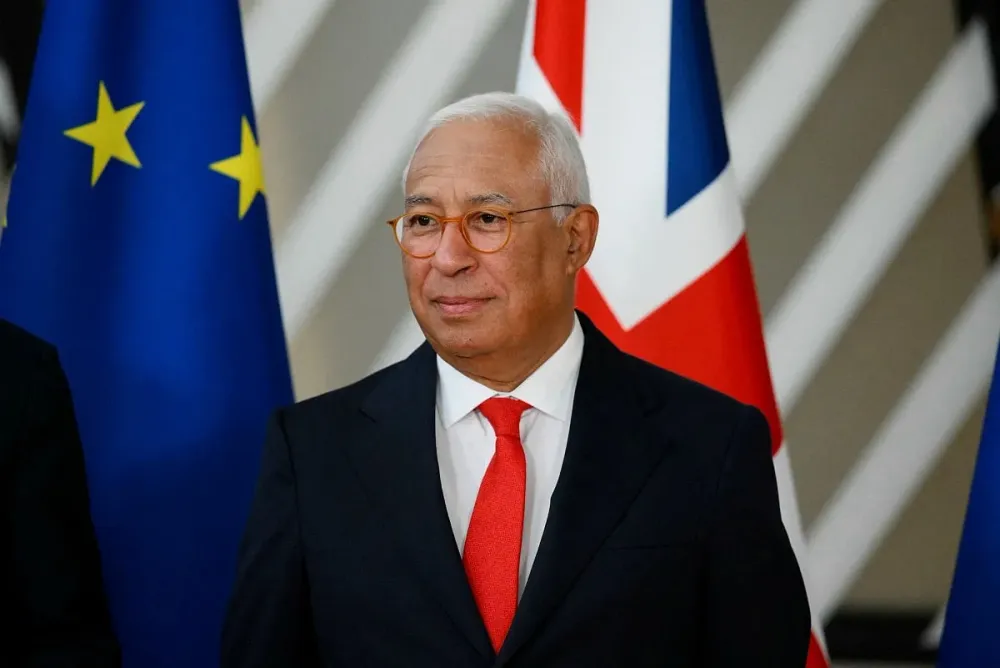
European Council President Antonio Costa proposed taxing large digital companies on Saturday as part of a smaller EU budget for 2028-2034, seeking to bridge divisions over how much the bloc should spend and how member states should pay for it.
 Omar Al Nuaimi
Digital tax would replace rejected corporate levy
The draft would charge qualifying companies 3% of annual net turnover from online advertising, digital intermediation services and user-generated data. It would cover businesses with at least €50 million in annual EU turnover from digital activities and more than €750 million in global turnover, according to documents released by the Council.
An EU official told POLITICO that the proposed levy would bring in about €5 billion annually. The European Parliament's higher estimate of up to €25 billion a year assumes a 5% rate and broader coverage of online services, Euronews reported.
Costa's digital levy replaces the Corporate Resource for Europe, or CORE, proposal. That measure would have imposed a lump-sum tax on companies with revenues exceeding €100 million, but most member states opposed it because they feared it would weaken EU competitiveness.
The proposal is likely to draw an angry response from US President Donald Trump, whose administration has objected to EU penalties and regulatory action against major technology companies under the bloc's content and competition rules.
An earlier attempt to introduce an EU-wide digital services tax failed after the Commission proposed it in 2018. EU tax decisions generally need unanimous backing from member states, which that proposal did not secure. Several countries subsequently adopted their own digital taxes, according to Crypto Briefing.
A lower ceiling for the seven-year budget
Costa's compromise would cap the 2028-2034 Multiannual Financial Framework at €1.78 trillion, cutting €204 billion from the European Commission's original plan. "I believe this proposal can bring us closer to a final agreement," he told a press conference in Brussels.
The Commission had proposed €1.99 trillion last year, equivalent to 1.16% of EU gross national income. Costa's ceiling is about 10.2% lower and also falls below the €1.83 trillion put forward by the Irish Council presidency in October 2026, according to The Brussels Times and Euronews.
Germany has pressed for substantial spending reductions throughout the negotiations. It also criticized last month's revision, which proposed trimming €140 billion from the Commission's roughly €2 trillion budget.
Under Costa's compromise, member states' contributions would increase on average from 0.8% to 0.82% of their gross national income, The Brussels Times reported. A package of new and revised EU revenue sources, including the digital levy, is expected to provide about €60 billion annually, according to The Brussels Times and POLITICO.
Revenue from carbon markets, tobacco and waste
The draft would gradually direct 30% of Emissions Trading System revenues to the EU budget. The allocation would begin at 0% in 2028 and reach the full 30% in 2034, according to Euronews.
A proposed minimum tobacco tax would also be phased in: it would start at 5%, rise to 10% after three years and reach 15% in 2034.
For non-recycled plastic packaging waste, the levy would increase from €0.80 to €1.25 per kilogram in 2028. The electronic-waste contribution would rise from €2 to €2.25 per kilogram. Costa also proposes directing all Carbon Border Adjustment Mechanism revenues to the EU budget, rather than 75%, according to Euronews and POLITICO.
Cuts extend to cohesion and debt repayments
Cohesion funding would face cuts for the first time in these negotiations. Combined funding for cohesion, agriculture and fisheries would fall by €54 billion, about 5% below the Commission's proposal, Euronews reported.
The reductions would be larger for competitiveness and defense, at €95.5 billion, or 16%. Global Europe, the bloc's external-action program, would lose €45 billion, a 21% reduction from the Commission's plan.
Costa would also reduce repayments of NextGenerationEU post-pandemic joint debt during 2028-2034 by €10 billion in current prices. The repayment schedule would still span 2028 to 2058, but the amounts paid over that period would follow a different profile.
Governments and Parliament remain divided
The spending cuts and revenue proposals must reconcile competing demands among the EU's 27 governments. Germany and five other so-called "frugal" members, including Sweden, want a smaller budget. That group expressed skepticism this week about new taxes.
"It's money taken from somewhere else. It won't solve the financial equation," Swedish Europe Minister Jessica Rosencrantz said. On Thursday, she argued that both spending and national contributions needed to come down.
France, the EU's second-largest economy and a net budget contributor, wants the bloc to have enough resources to address its growing challenges. Meanwhile, 17 countries across southern, central and eastern Europe have formed the "Friends of Cohesion" group to seek more support for agriculture and regional development.
An agreement among governments would still require negotiations with the European Parliament. Budget lawmaker Siegfried Muresan warned this week that Parliament would block the plan if member states continued to disregard its concerns. "We think that the debate... is focused too much on cuts," he said.
EU leaders will discuss Costa's draft at a special European Council meeting in Brussels next week. He wants an agreement in December, before negotiations risk spilling into the politically fraught 2027 election year, when potential eurosceptic victories in France and elsewhere could complicate future deals.
Costa is confident governments can reach their own agreement at the leaders' summit beginning December 17, 2026, according to POLITICO.