Iran questions US commitment to diplomacy as Mecca Pact officials hold Tehran talks
Iran and senior officials from Saudi Arabia, Pakistan and Turkey agreed to continue discussions on preventing renewed regional conflict after meeting in Tehran on October 26. No ceasefire or schedule for another meeting was announced, as Iran accused Washington of trying to impose terms rather than negotiate.
 Omar Al Nuaimi
Regional defense partners meet Iranian leaders
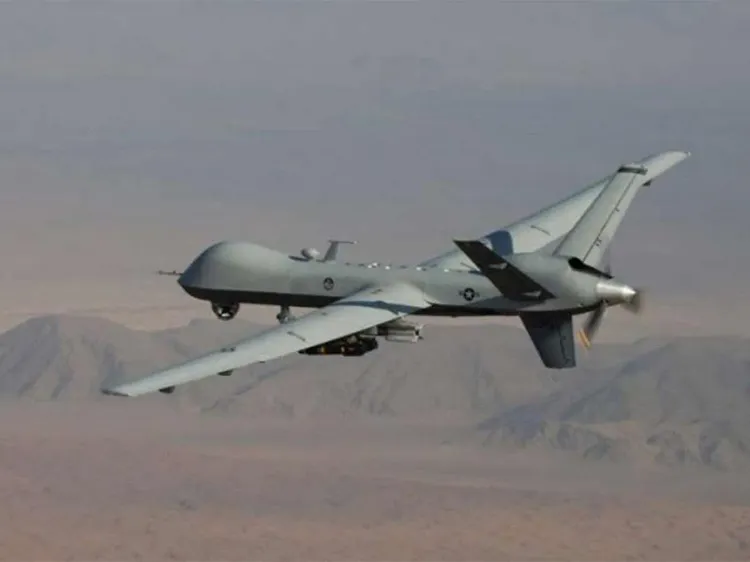
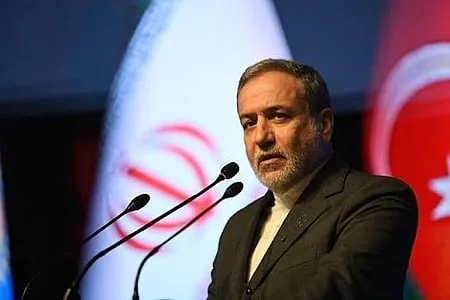
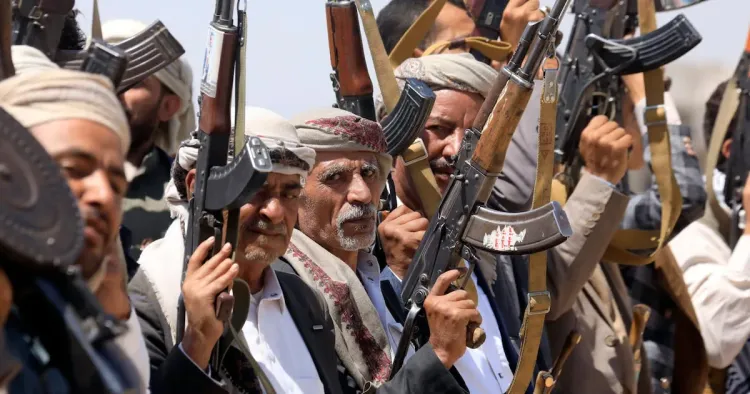
Saudi Defense Minister Khalid bin Salman, Pakistani army chief Asim Munir and Turkish intelligence chief Ibrahim Kalin met Iranian President Masoud Pezeshkian and senior security officials. Their agenda covered the US naval blockade of Iranian ports, unrestricted passage through the Strait of Hormuz, regional security and efforts to stop Houthi missile and drone attacks on Saudi Arabia.
Reuters described the meeting as Iran's first high-level contact with all three Mecca Pact countries since Saudi Arabia became more deeply involved in the wider Iran conflict.
The visitors' countries signed the Mecca Joint Defence Agreement in August 2026. Encyclopaedia Britannica says the pact follows the principle of NATO's Article 5: an armed attack against one member counts as an attack against all. It covers military production, joint exercises and intelligence sharing, but has neither an integrated command structure nor a mechanism for triggering a collective response.
The three members activated the agreement in early October as fighting with the Houthis intensified, according to Britannica. Turkey and Pakistan agreed to send military contingents to Saudi Arabia, without specifying their size.
Blockade and nuclear demands divide Tehran and Washington
Iranian Foreign Ministry spokesman Esmaeil Baghaei said Iran had kept negotiations open and remained committed to diplomacy. He accused the United States of confusing negotiations with imposing terms and said Washington had not shown a serious commitment to reaching a settlement.
Tehran says a deal requires an end to the US blockade. Washington, which continues to apply sanctions as well as naval pressure, is seeking restrictions on Iran's enriched uranium and international inspections.
Iranian Foreign Minister Abbas Araghchi said a seven-day proposal to restore normal shipping through the Strait of Hormuz had been passed through Qatar. Implementation would depend on Iran's demands being met, including removal of the port blockade, relief from US sanctions on oil exports and the release of frozen assets.
US Ambassador to the United Nations Mike Waltz told the Financial Times that "the president and the US Navy can maintain this blockade for the foreseeable future." He said US objectives would remain unmet until Iran's highly enriched nuclear material had been addressed and an agreement secured on domestic uranium enrichment.
US officials have portrayed the sanctions and blockade as weakening Iran. Admiral Brad Cooper, commander of US Central Command, said in late October that the blockade had stopped at least $25 billion in Iranian crude exports over 100 days.
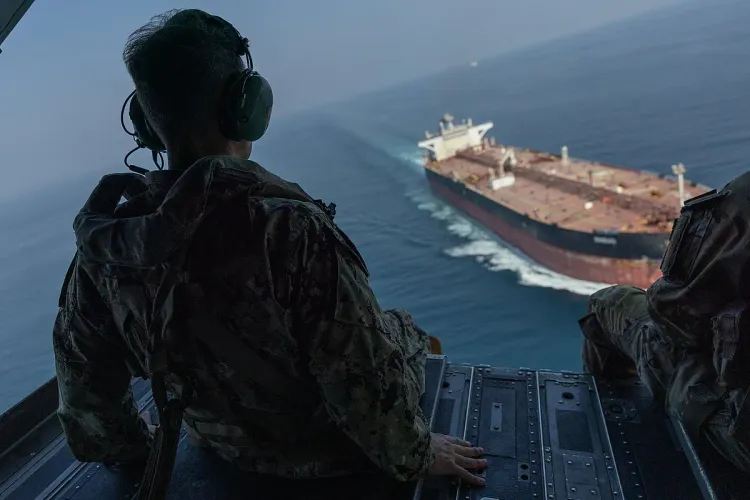
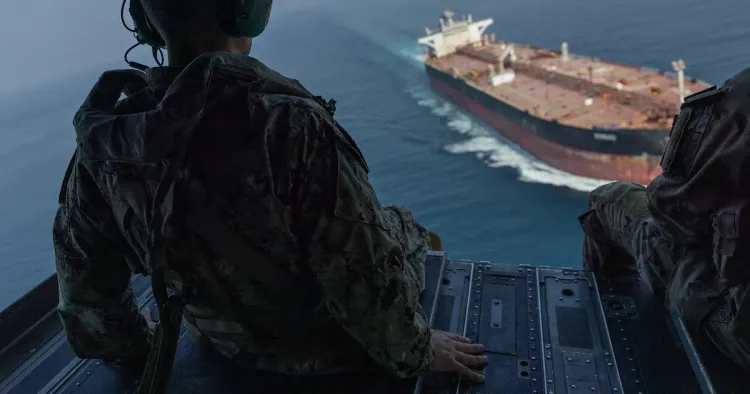
The two sides also offered differing accounts of conditions around Hormuz. On October 23, IRGC Navy commander Ali Ozmaei claimed US forces had been driven 600 to 700 kilometers from the strait and "no longer had a place" there. Trump asserted that same week that oil shipments through the strait had exceeded any level seen before the war.
Diplomatic efforts continue as military options remain
Washington says President Donald Trump will decide whether military action resumes. Trump has defended the war, blamed Iran for starting it and dismissed an earlier ceasefire as a waste of time. He has said he would not order further attacks before the US midterm elections next Tuesday, though reporting from Washington says military options have been presented to him.
Iran's contacts with Qatar and the Mecca Pact countries are part of its effort to gather support for a diplomatic settlement while preparing for a possible return to fighting. Egypt, meanwhile, said it was speaking daily with Tehran, Washington and regional partners to prevent another full-scale confrontation. UN Secretary-General Antonio Guterres warned of potentially devastating consequences from further escalation involving Iran and Gulf states.
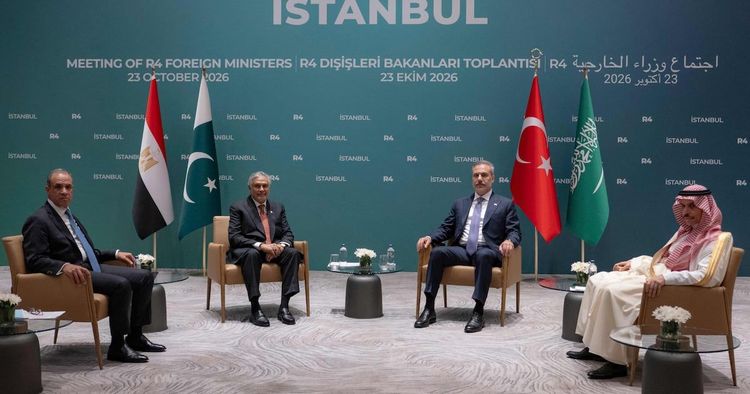
A separate diplomatic meeting took place in Istanbul on October 23, when Turkey hosted foreign ministers from seven countries, including Egypt, Pakistan, Saudi Arabia, Britain, France and Germany. The discussions addressed the Iran-US war, security in the Strait of Hormuz and Bab al-Mandab, Yemen and the Israeli-Palestinian conflict. It was the first security-focused meeting bringing Turkey, Saudi Arabia, Egypt and Pakistan together with Britain, France and Germany.
Saudi attacks prompt renewed US departure warning
The Saudi-led coalition reported intercepting three Houthi ballistic missiles aimed at the Eastern Province and four drones bound for southern Saudi Arabia.
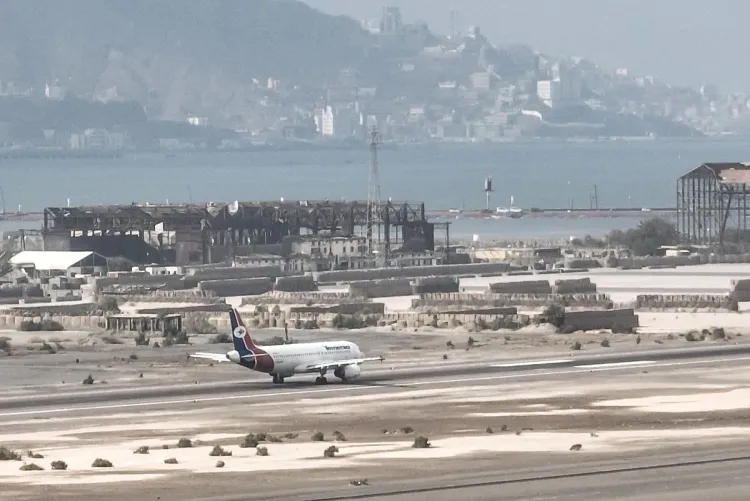
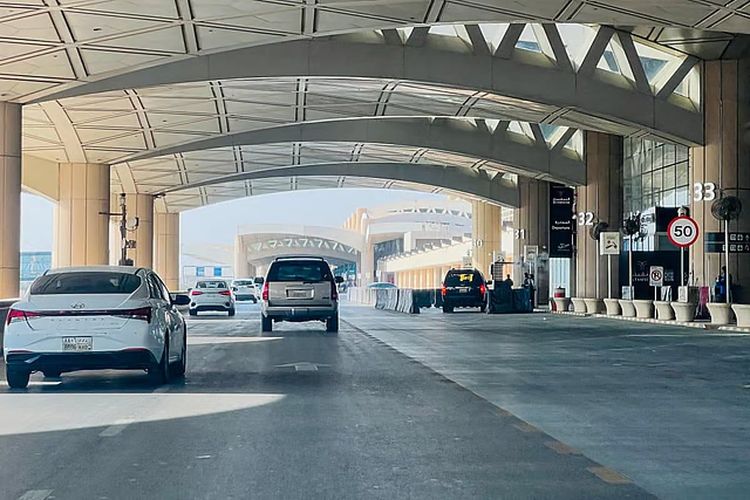
Those reports followed deadly attacks on October 21. Saudi state media said a drone strike on the Shaybah oil field in the Eastern Region killed two people and injured two. An attack on King Fahd International Airport in Dammam that day killed at least two people and wounded eight. CNBC, citing Reuters, also reported that Saudi Aramco had instructed employees to leave its Dhahran headquarters and work remotely.
The US Embassy in Riyadh renewed advice for non-emergency government employees and their families to leave Saudi Arabia. Its security alert cited missile and drone threats from Iranian-backed Houthis, along with the possibility of attacks on airports, airspace closures and disrupted flights.
In Yemen, the internationally recognized government said its forces conducted 1,276 operations against Houthi positions within 24 hours, claiming about 382 fighters had been neutralized. Houthi-affiliated media separately reported government airstrikes on Mocha city and its port in Taiz province.
Shipping risks persist as oil prices ease
The UK Maritime Trade Operations center said third parties had reported a burning vessel 63 nautical miles southeast of Iraq's al-Faw. The report added to maritime safety concerns amid continuing disruption along Gulf shipping routes.
Regional diplomacy eased concerns about oil supply interruptions on Monday, pushing prices lower, though Brent remained close to a six-month high following attacks on Saudi Arabia. Brent futures dropped 0.57% to $115.15 a barrel; US West Texas Intermediate fell 0.43% to $101.32.
Saudi Arabia and Singapore's energy ministers announced on October 26 that the kingdom would begin storing crude in Singapore in the second half of 2027, a step intended to strengthen its regional supply chain's resilience.
Separately, the US Energy Department said on October 23 that it had approved a 400,000-barrel release from the Strategic Petroleum Reserve to address a supply disruption at a Louisiana refinery.
UN raises concerns over operations in Palestinian territories
Elsewhere in the region, Lebanon's state-run National News Agency reported Israeli artillery fire on several southern Lebanese towns.
UN human rights chief Volker Turk said Israel's military operation in Hebron, which has displaced more than 2,000 Palestinians, raised serious concerns about ethnic cleansing.
A UN commission of inquiry accused Israel of committing war crimes and crimes against humanity in the occupied West Bank. The allegations included extermination, persecution, torture and sexual violence. The source report included no Israeli response to those allegations.