Turkey says Makkah pact support would focus on deterrence, not combat with Houthis
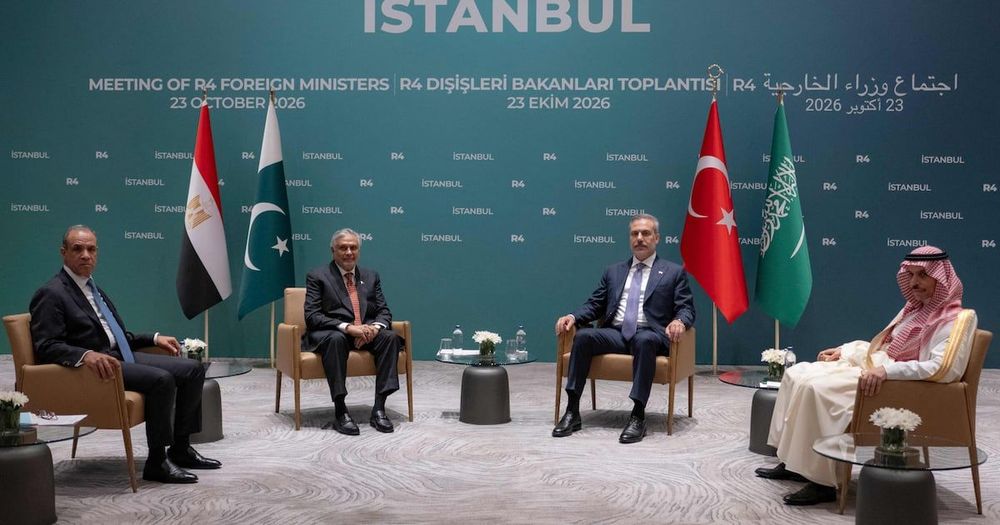
Turkish Defense Minister Yasar Guler said Friday that Ankara did not foresee fighting the Houthis under its defense agreement with Saudi Arabia and Pakistan. His remarks came as foreign ministers gathered in Istanbul to address escalating attacks on Saudi Arabia and commercial shipping.
 Omar Al Nuaimi
Turkey outlines limits on military support
"The main purpose of our possible military support to Saudi Arabia will be to strengthen deterrence. We absolutely do not foresee entering into any conflict with the Houthis," Guler said. "Our priority is to prevent new tensions from emerging in the region and to contribute to security and stability."
Guler said Ankara would consider Saudi requests and decide how much assistance to provide after Turkey's parliament ratified the Makkah agreement. Signed in August, the pact was submitted to lawmakers this week, The National reported. Saudi Arabia and Pakistan have completed ratification.
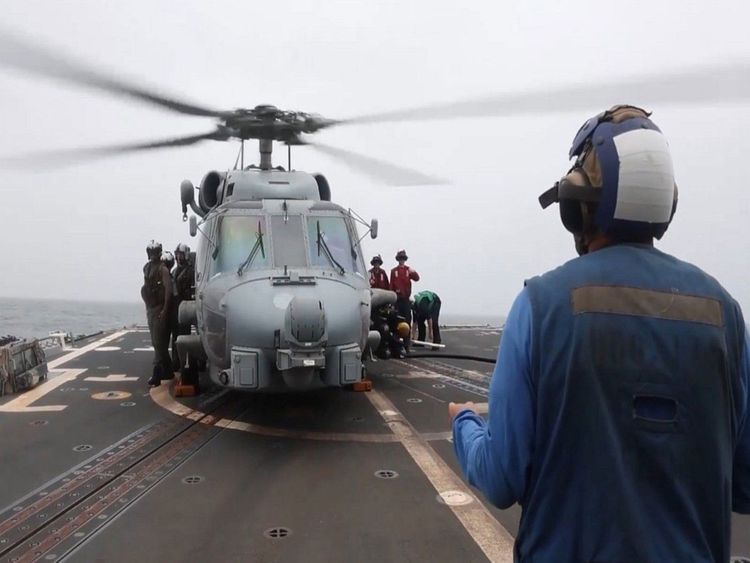
An earlier account described a limited Turkish support role. Officials told Reuters in early October that Ankara was sending mainly defensive and technical assistance to help Saudi Arabia fight the Houthis. Expected contributions consisted of military equipment, intelligence sharing and weapons systems; no other deployment under the alliance had taken place at that point, according to an Asia News Network explainer drawing on Dawn.
Ministers condemn attacks at Istanbul talks
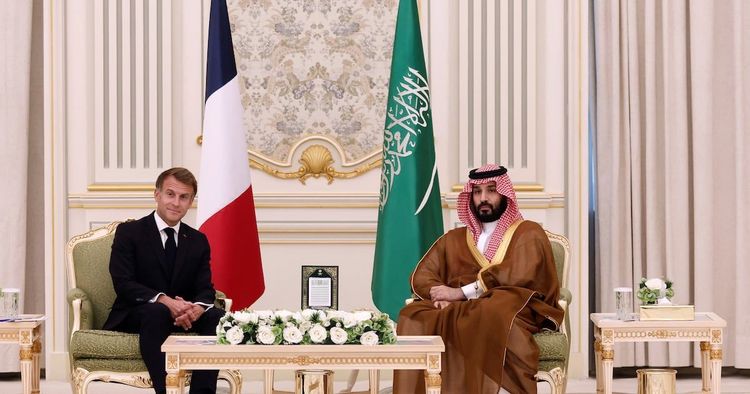
The Istanbul meetings brought together the Regional Four, or R4, comprising Turkey, Saudi Arabia, Pakistan and Egypt, alongside a broader, first-of-its-kind gathering that included the foreign ministers of the UK, France, Germany and Italy. Turkish Foreign Minister Hakan Fidan hosted the wider talks on what his office called "regional issues of mutual concern".
The eight countries' ministers issued a joint statement saying they "condemned in the strongest terms the unacceptable escalation by the Houthi militia". Their condemnation covered attacks against Saudi civilians and civilian infrastructure, as well as commercial vessels in the Red Sea and Bab Al Mandeb strait.
The statement affirmed solidarity with the Saudi and Yemeni governments and urged the Houthis to "immediately cease all military actions, threats and attacks, and to return to the political process in good faith".
Saudi Foreign Minister Prince Faisal bin Farhan also held bilateral talks with Pakistan's Deputy Prime Minister and Foreign Minister Ishaq Dar on the sidelines of the R4 meeting. They discussed their countries' relations and regional developments, including Yemen. According to the Saudi Foreign Ministry, both condemned the recent Houthi strikes on civilian areas in the kingdom.
Collective defense obligations remain unclear
The pact treats an attack against any member as an attack against all three. Its wording, however, leaves uncertainty about attacks by non-state groups such as Yemen's Houthis: Article 2 requires mutual assistance following an attack or military aggression by "another country or a group of countries".
Turkey also has a separate constitutional requirement governing overseas troop deployments. Article 92 requires parliamentary approval to send troops abroad, and the Asia News Network explainer said no such authorization had been publicly reported as of its publication in early October 2026.
The alliance had already taken organizational steps by then. At its October 5 meeting in Riyadh, the Strategic Political and Defense Committee endorsed retired Lt. Gen. Nauman Mahmood as its first secretary general, with responsibility for a Riyadh-based secretariat. It also authorized the rapid deployment inside Saudi Arabia of military forces and capabilities already "agreed", according to the explainer.
Pakistan's scope for a larger military role is constrained by an April 2015 parliamentary resolution, adopted unanimously, that called for neutrality in the Yemen conflict. It also pledged support for Saudi Arabia if the kingdom's territorial integrity or the two Holy Mosques were threatened.
The Makkah framework builds on an existing Saudi-Pakistani military relationship rather than replacing it. Pakistani air and support elements were already stationed in Saudi Arabia under the 2025 Strategic Mutual Defense Agreement before the trilateral pact was signed.
Airport strikes and international responses
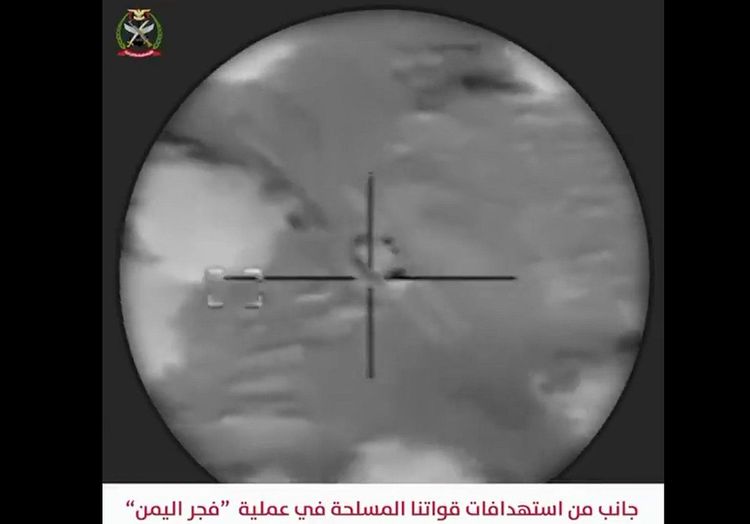
The recent Houthi campaign has included deadly airport attacks that disrupted flights and led to major international conferences, diplomatic summits and sporting events in Saudi Arabia being canceled or postponed. The group has also claimed strikes against Saudi energy facilities and military targets.
Wikipedia's compilation records missile and drone attacks between October 6 and 21 at Abha International Airport, King Khalid International Airport in Riyadh and King Fahd International Airport in Dammam. It reports 22 deaths and more than 380 injuries, describing the series as Saudi Arabia's deadliest since the May 2015 mosque bombings in Qatif and Dammam.
Houthi military spokesman Yahya Saree repeated a warning against airlines using Saudi airports and airspace, calling them "potential targets and sites for operation by our forces". His warning excluded the airports of Makkah and Madina.
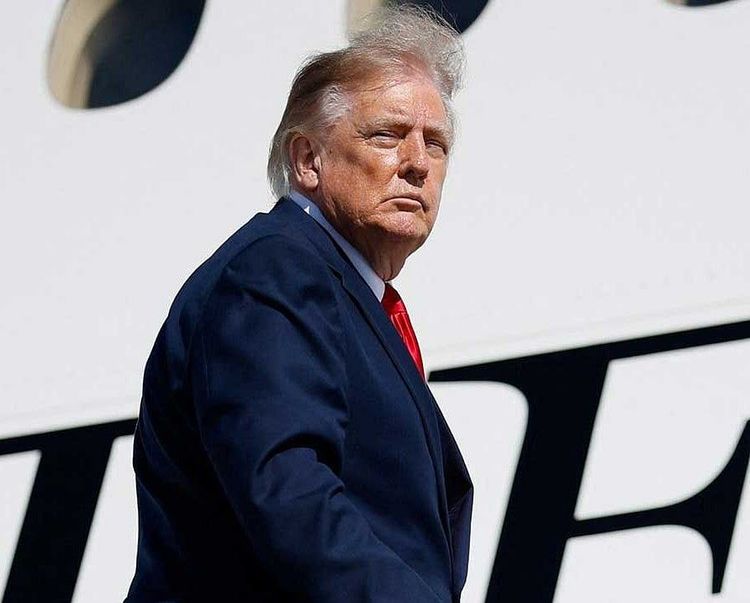
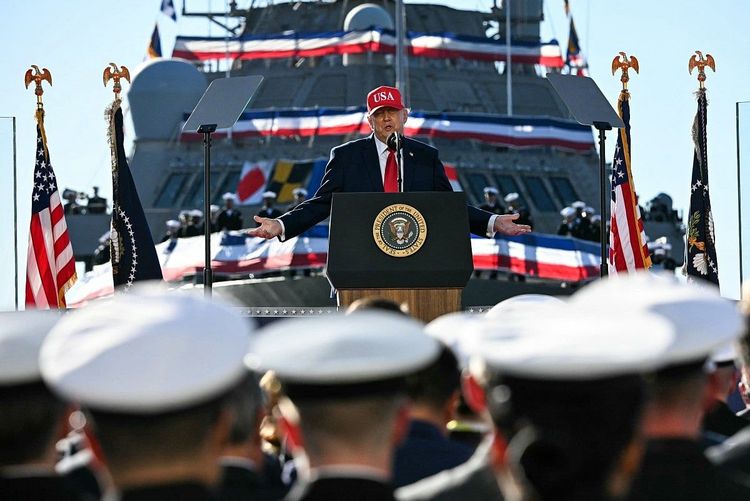
US President Donald Trump called the Houthi attack on Saudi Arabia "terrible" and "not acceptable". He said the United States would "make a decision" on possible intervention and that he would speak with Crown Prince Mohammed bin Salman.
Iran offered to mediate between Saudi Arabia and its Houthi allies. Foreign Minister Abbas Araghchi said Tehran was "ready to provide any assistance to help initiate a dialogue" between the two sides.