Trump Calls Iran's Leaders "Nuts" as US-Tehran Tensions Rise
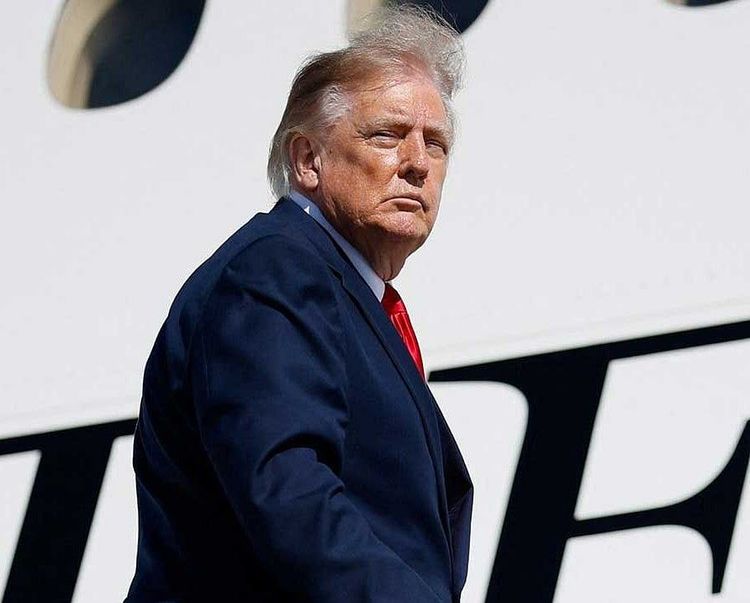
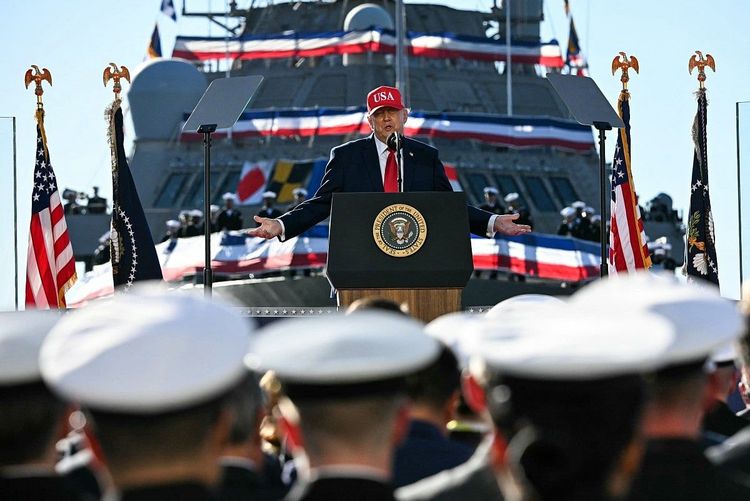
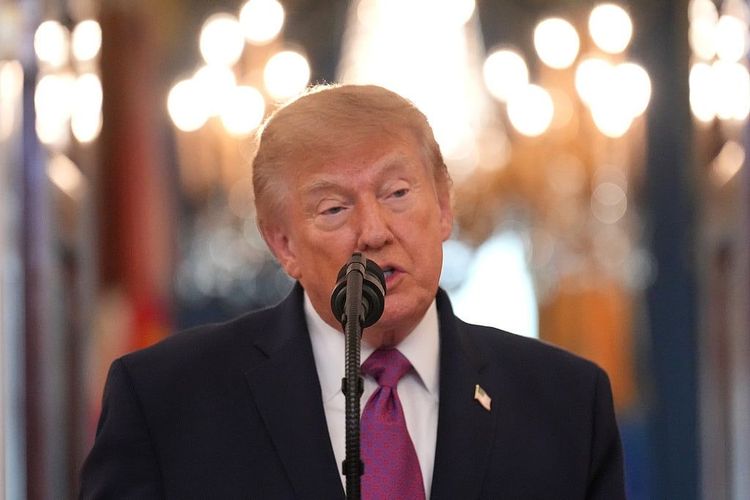
President Donald Trump called Iran's leaders "nuts" and signaled that developments involving Tehran could come "fairly soon," Al Arabiya's W News Extra reported on October 23. His remarks come as concerns about Iran's nuclear program and the possibility of a wider regional conflict grow, with Iran's Revolutionary Guard threatening US bases.
 Omar Al Nuaimi

Warnings from Washington and Tehran
At a campaign rally in South Carolina on Wednesday, October 21, 2026, Trump said Iran would use a nuclear weapon "within one hour" of obtaining one, according to Fox News Digital. In separate remarks to reporters, he said Washington was "not negotiating" with Tehran and that "something... will happen fairly soon."
The following day, Iran's Islamic Revolutionary Guard Corps (IRGC) warned that continued US escorts of ships through the Strait of Hormuz would bring the conflict to American military bases in the Middle East. It said the conflict "will extend" to those bases if the escorts continue, describing its statement as a "serious warning."
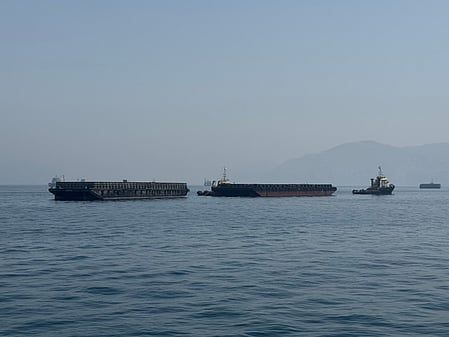
The IRGC also claimed responsibility for strikes on four ships in the Persian Gulf that it accused of conducting ship-to-ship oil transfers. It said three additional vessels had hit mines west of the strait.
In statements on October 21-22, IRGC spokesman Hossein Mohebi outlined what he called an "offensive and asymmetrical" defense doctrine. Iran would not stop at retaliation if attacked, he said, but would also "launch an offensive" against the attacking country. Mohebi also said Iran's missile stockpile had grown 1.5 times since the June 2025 Iran-Israel war.
Military plans and terms for restoring shipping
According to a New York Times report available as of October 22, US and Israeli military planners had prepared a short, intense operation against Iran for after the November 3 US midterm elections. The possible targets included energy infrastructure, nuclear facilities, and missile and drone stockpiles. Trump had not approved the strikes.
On October 22, US Central Command said 100 days had passed since it resumed strict enforcement of the blockade of Iranian ports. The blockade began in April, with strict enforcement resuming on July 14, 2026. CENTCOM credited it with preventing at least $25 billion in Iranian crude oil exports.
Iran, meanwhile, had offered a seven-day plan to restore shipping through the Strait of Hormuz. As of October 22, its proposed terms required Washington to lift the port blockade, ease sanctions and unfreeze Iranian assets.
Saudi departures and oil supply concerns
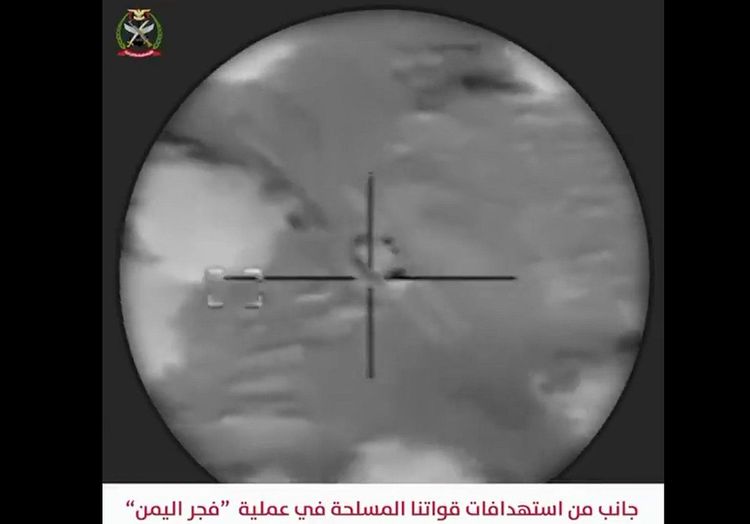
Citing escalating Houthi attacks, the State Department ordered non-emergency US government employees and their families to leave Saudi Arabia on October 21-22. The department specified that the departure order covered Saudi Arabia, not the wider Gulf.
Brent crude rose above $110 a barrel on Thursday, October 22, as attacks in the Strait of Hormuz and Houthi strikes on Saudi Arabia fueled fears of further disruption to regional energy supplies.
That day, Trump used emergency wartime powers under the Defense Production Act to speed up domestic US oil production. He cited a national security risk and argued that private industry could not increase production quickly enough without government intervention.
Regional security discussion on W News Extra
The October 23 edition of W News Extra, hosted by Leigh-Ann Gerrans, examined the prospect of renewed military confrontation and diplomatic efforts involving Saudi Arabia. Guests Alex Malouf, founder of Narrative Shapers, and Shane McGinley, news editor at Arabian Gulf Business Insight, discussed the implications for regional security.
The broadcast also addressed Yemen's worsening humanitarian crisis, renewed tensions in Gaza, a major global cybersecurity vulnerability and controversy over the Ohio governor's race.