Iran signals openness to talks after reported Qatari draft deal
Iran is considering a Qatari-mediated proposal to end its conflict with the US and is expected to respond by the end of the week, an official briefed on the negotiations told Reuters. An Iranian official separately said Wednesday that Tehran welcomes diplomatic efforts, without commenting directly on the reported draft.
 Omar Al Nuaimi
A proposed week of confidence-building steps
Qatari mediators delivered the proposal to Tehran on Sunday, according to the official who spoke to Reuters. It outlines actions for both Iran and the US to take each day over seven days, addressing concerns on both sides. That schedule could start early next week, with several countries serving as guarantors.
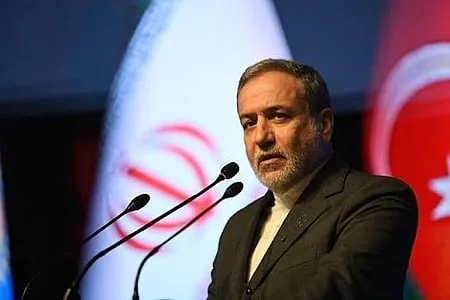
Iran had not immediately issued a public response to the draft. But an Iranian official told The National on Wednesday that Tehran "welcomes any efforts aimed at negotiations, talks or collective consultation".
The proposal follows several unsuccessful attempts to settle the eight-month-old war. According to Reuters, the US and Israel launched the war against Iran on February 28, 2026. Mediation yielded an interim peace agreement in June, but it soon fell apart.
Iran offered a separate seven-day plan in late September. Foreign Minister Abbas Araqchi said it could lead to the reopening of the Strait of Hormuz if certain conditions were met. US President Donald Trump rejected that proposal, prompting another round of Qatari mediation, Reuters reported.
Disagreement over conditions for negotiations
Washington and Tehran remain divided over what negotiations should cover and when. Reuters reported that the US wants Iran's nuclear program included from the start. Iran insists that its conditions be fulfilled first, including ending the US blockade of Iranian ports and lifting sanctions on Iranian oil exports. Tehran rejects Western concerns that its nuclear program has a military purpose.
Qatar also called for action from Iran on Tuesday. According to Reuters, it said Tehran must stop threatening Arab Gulf states and open the Strait of Hormuz to demonstrate good intentions and allow mediation to succeed.
Regional envoys seek a pause in hostilities
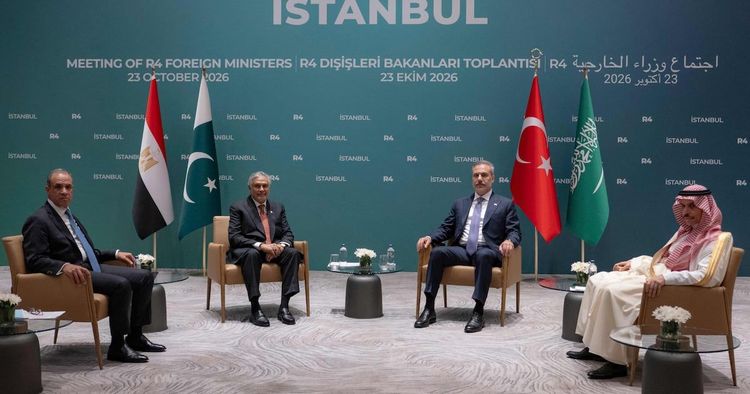
The latest proposal emerged alongside a diplomatic effort by Saudi Arabia, Pakistan and Turkey, whose officials met Iranian representatives in Tehran on Monday. Saudi Defense Minister Prince Khalid bin Salman led the delegation, which also included Pakistan's army chief, Field Marshal Asim Munir, and Turkish intelligence chief Ibrahim Kalin.
It was the three countries' first joint visit to Tehran since forming the Makkah Joint Defence Agreement, Dawn reported, citing Iranian Foreign Ministry spokesman Esmaeil Baghaei. Munir had proposed the meeting during a visit to Iran the previous week.
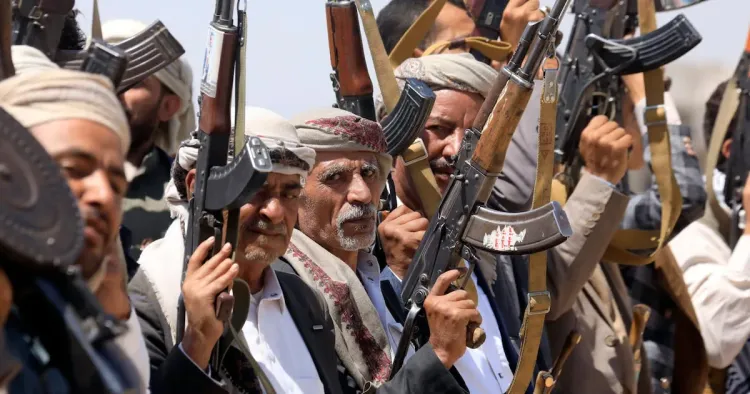
Saudi Arabia's push came amid mounting Houthi attacks on its airports and concern about another round of war between the US and Iran. The Houthi escalation and the Strait of Hormuz were central subjects at Monday's meeting.
The visitors asked Tehran to press its Houthi allies in Yemen to stop attacking Saudi Arabia, sources told The National. Iran said it did not have the leverage to secure a halt. Instead, Iranian representatives asked the delegation to use its close ties with Washington to seek US acceptance of Iran's proposed two-week pause in hostilities across the region.
Under that offer, negotiations would resume in exchange for a gradual reopening of the Strait of Hormuz, the sources said. Iranian state media reported an agreement to keep talking after Monday's meeting, but regional sources briefed on the discussions said there had been no clear progress.
The Iranian official who spoke Wednesday nevertheless described the meeting as "a step in the right direction" and "a first confidence-building step between these countries". The official also said, "we see it as necessary to have a security framework that tries to keep things under control in the region".
Egypt's parliament authorized its president to provide defensive military support to Saudi Arabia against the Houthis as the Tehran talks took place, Dawn reported. Cairo also remained in contact with Iran, the US and other regional partners in an effort to keep the conflict from spreading.
Attacks on Saudi Arabia and a shipping warning
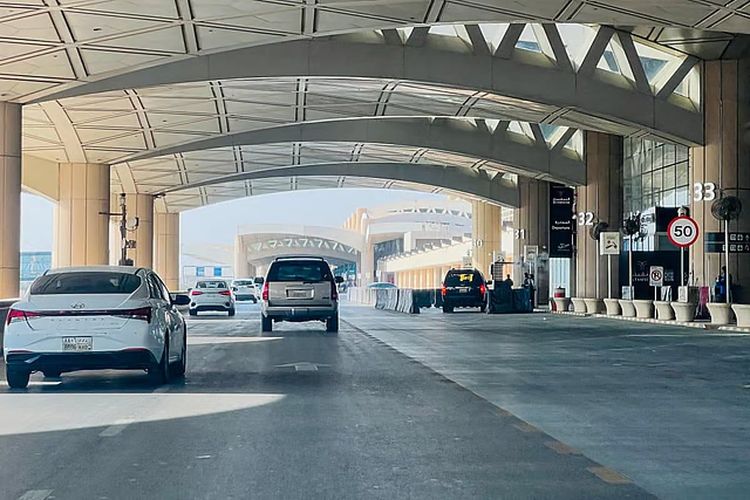
The attacks on Saudi Arabia have included an October 11 strike on Riyadh's King Khalid International Airport that killed 13 people and injured more than 300, according to the Council on Foreign Relations' conflict tracker.
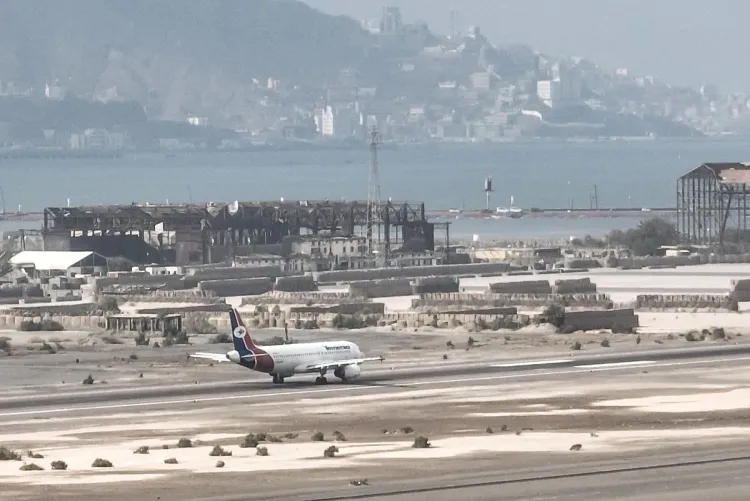
On Wednesday, oil prices climbed more than 1% to above $115 a barrel after a Houthi attack on Ras Tanura, Saudi Arabia's largest oil refinery, raised supply concerns, Reuters reported. In Yemen, the Houthis called for the immediate evacuation of Aden's airport. The city is the seat of the internationally recognized government.
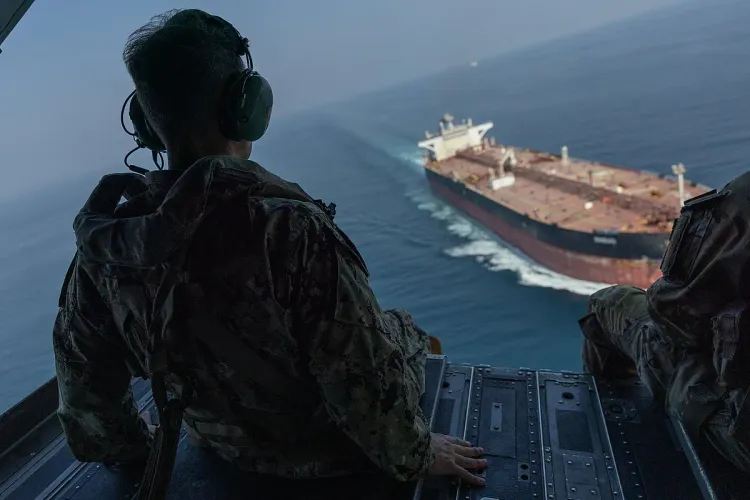
The US military also issued a shipping advisory Wednesday, telling vessels without a need to travel between ports in the Gulf of Oman and the Strait of Hormuz to stay away. US Naval Forces Central Command said, "Due to the current geopolitical situation, vessels which do not need to transit the area are advised to remain well clear to avoid unnecessary delays to their voyage".
Ships that do enter the area should allow extra time for heavier traffic and military operations enforcing the blockade, the command said. The immediate reason for the advisory was unclear.
The military's previous public notice of this kind came in mid-July, when it began its blockade of Iranian shipping. It said then that neutral vessels would retain passage through Hormuz, although they should expect questions about their intentions.
US Central Command dates the resumption of its blockade of Iranian ports to July 14 at 4 p.m. ET. It said the initial blockade operated from April 13 through June 18. During that earlier period, US forces redirected more than 140 vessels that complied, disabled nine ships that did not comply and permitted more than 50 commercial vessels carrying humanitarian aid to pass.