Saudi officials brief envoys on Houthi attacks, pledge to protect Kingdom
Saudi Arabia pledged to protect its citizens and residents during two days of briefings for foreign ambassadors on recent Houthi attacks. The meetings took place in Riyadh on November 25 and 26, 2026, as the Saudi-led coalition reported attacks on oil and port facilities.
 Omar Al Nuaimi
Officials outline Saudi response
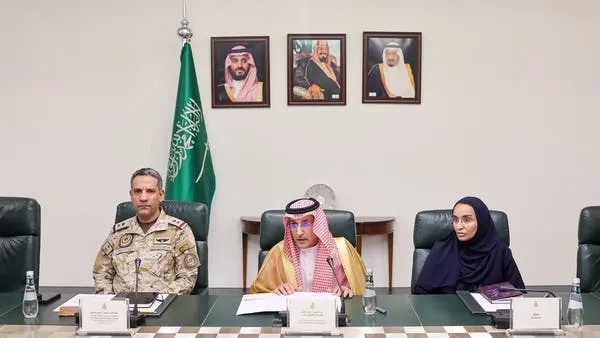
Deputy Foreign Minister for Political Affairs Saud al-Sati led the meetings, joined by Saudi-led coalition spokesman Maj. Gen. Turki al-Malki, the Saudi Foreign Ministry said Thursday. The envoys represented countries accredited to the Kingdom.
The ministry said the briefings covered Houthi attacks against civilians, civilian property and vital facilities. Al-Sati and al-Malki characterized those attacks as terrorism and flagrant violations of international law, saying they deliberately endangered civilian lives and security.
The two officials pledged both measures to safeguard Saudi Arabia and continued support for Yemen's people and legitimate government against Houthi attacks. The ambassadors, in turn, reaffirmed their governments' condemnation and backed Saudi Arabia's efforts to counter the attacks.
Britain had imposed sanctions on the Houthis and four senior officials on November 24 "for deliberately attempting to undermine stability," SBS News reported, citing AFP.
Refineries, ports and Riyadh tower hit
The coalition said on November 26 that the Houthis had attacked the Jazan oil refinery in southwestern Saudi Arabia. According to Anadolu Agency, al-Malki warned that attacks on civilians and civilian facilities "will be met with a decisive military response." The coalition subsequently reported destroying a ballistic missile launch platform in western Yemen's Al Hudaydah province, saying it had been used in the refinery attack.
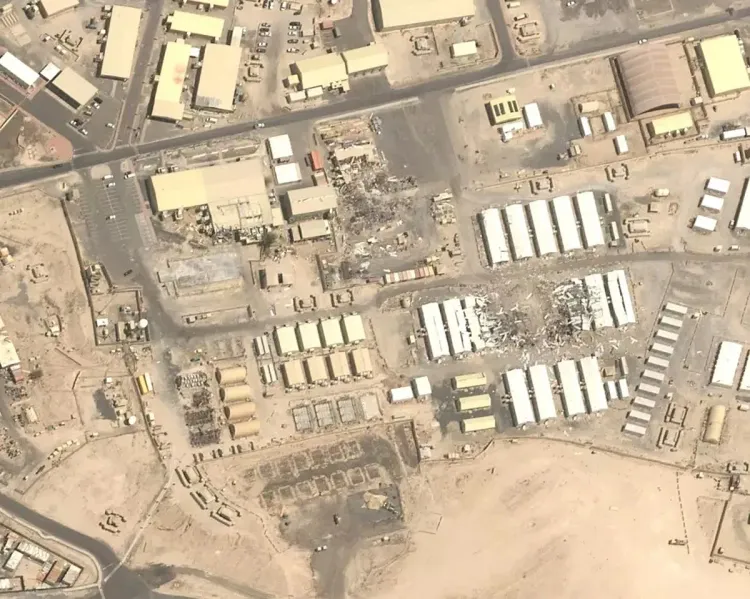
The previous day, the Houthis claimed an attack on Ras Tanura, Saudi Arabia's largest oil refinery. The facility can process 550,000 barrels a day and stands beside one of the world's largest crude export terminals, Reuters reported through Al-Monitor. Images from NASA and Planet Labs showed smoke extending across about 600 square kilometers. The coalition said it had intercepted and destroyed four drones over Ras Tanura.
The Houthis also claimed November 25 attacks on the ports of Jeddah and Jazan, describing them as a response to coalition strikes on Yemen's Hodeida port. The coalition reported minor damage at Jazan after a Houthi projectile landed there, but said no civilians were injured. There was no immediate confirmation of a strike on Jeddah port.
In Riyadh, a second strike in less than a week on the capital's tallest skyscraper injured 11 people in late November. The 80-story Public Investment Fund Tower is in the King Abdullah Financial District. Those wounded included Indian, Nepalese, Egyptian and Saudi nationals, according to SBS News, citing AFP and the Saudi Press Agency. At least two suffered severe burns and were in critical condition. An earlier strike on November 19 damaged the tower without causing injuries.
Disruption since fighting resumed
The attacks follow the July 2026 resumption of Yemen's previously frozen civil war, a spillover from the US-Iran war, according to Reuters reporting carried by Al-Monitor. Since then, the Houthis have targeted Saudi airports, oil infrastructure and office buildings.
The campaign has temporarily interrupted some Aramco operations and prompted the cancellation of most international flights to Riyadh. Saudi Arabia has also had to postpone or cancel major international gatherings, including soccer's AFC Asian Cup and its flagship FII investment conference.
Fighting intensified after the Houthis seized strategic territory on Yemen's Red Sea coast in September 2026, Reuters reported. Their advance took them toward the Bab el-Mandeb Strait, an important global shipping route for Gulf oil producers.
Preparations for a longer campaign
By mid-November, Saudi Arabia was preparing for the war to last up to six more months, extending well into 2027, according to reporting carried by The Times of Israel. Two Western officials briefed by Saudi officials and a third source familiar with the plans said Riyadh wanted Yemen's internationally recognized government to make gains on the ground before negotiations with the Houthis.
Saudi Arabia announced on November 16 that it had replaced the commander in charge of the coalition. Yemen's government was also expected to change its military leadership, according to two people familiar with its plans.