US secures majority control of 65 billion barrels in Venezuelan oil reserves
President Trump announces what he calls the biggest oil deal in world history, granting the United States majority ownership of Venezuelan petroleum reserves in exchange for nearly $100 billion in private investment.
US secures majority control of 65 billion barrels in Venezuelan oil reserves
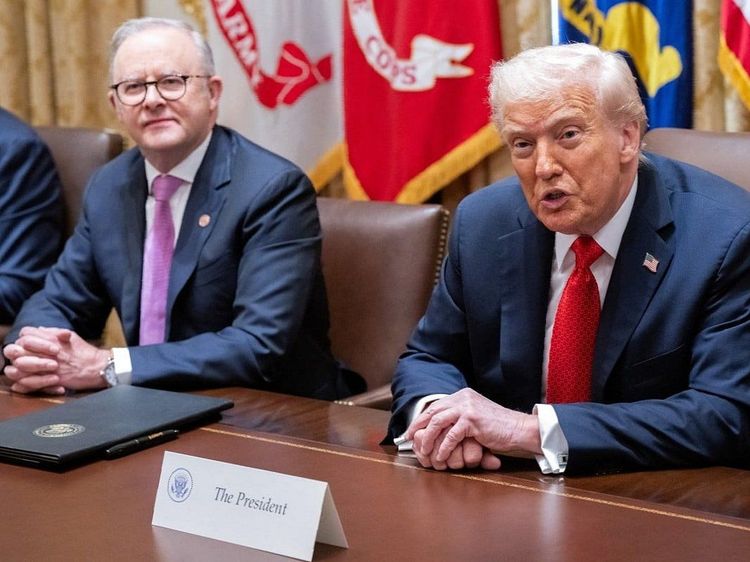
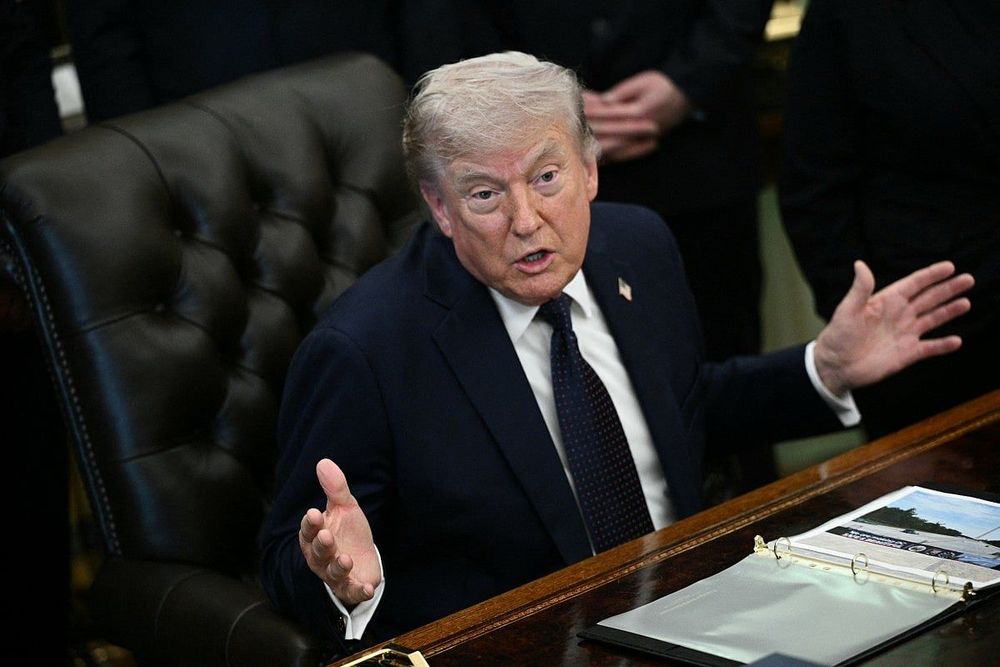
President Donald Trump announced Friday that his administration has reached an agreement giving the United States majority control of 65 billion barrels of proven oil reserves in Venezuela, a deal that would more than double American petroleum holdings.
The agreement, which Trump described as "the biggest oil deal in world history," promises to bring nearly $100 billion in private investment to Venezuela and more than $209 billion in tax revenue to the Venezuelan state, according to US and Venezuelan officials.
Venezuela possesses the world's largest proven oil reserves. The South American nation has operated under intense pressure from the Trump administration since Washington ousted long-time ruler Nicolas Maduro in January. His vice president, Delcy Rodriguez, was allowed to remain as interim leader provided she follows US policy directives.
The 65 billion barrels covered by the deal represent a 141 percent increase over the United States' approximately 46 billion barrels in proven reserves at the end of 2024. Rodriguez confirmed what she called a "historic agreement" that would "have a significant impact on the rebirth of our nation."
Secretary of State Marco Rubio and Defense Secretary Pete Hegseth negotiated the deal with Rodriguez "through a partnership with private business," Trump said in a post on his Truth Social platform. Rubio stated the agreement demonstrates how "President Trump's bold foreign policy is driving America First wins: securing stable reserves and low-cost oil in our Hemisphere and lowering gas prices here at home."
Strategic petroleum reserves at historic lows
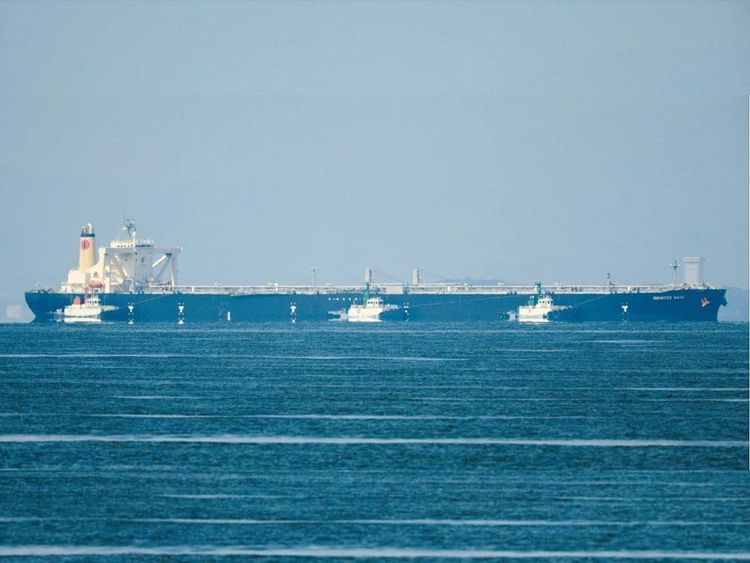
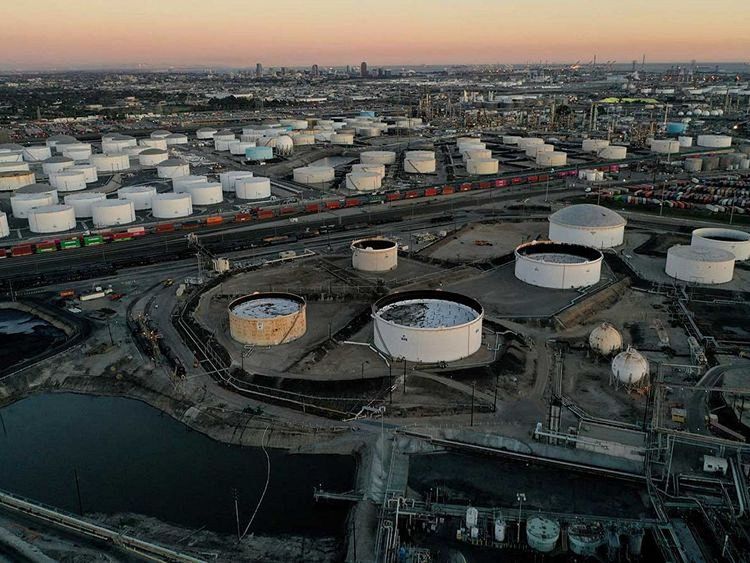
The deal comes as the US Strategic Petroleum Reserve stands at approximately 289.7 million barrels as of August 2026, representing only 40.6 percent of its 714 million barrel authorized capacity and its lowest level since November 1982. In March, Trump ordered a 172 million barrel release from the reserve in response to Iran restricting oil exports through the Strait of Hormuz, the largest drawdown in the reserve's history.
High gasoline prices remain a major political issue for Trump, whose approval ratings have declined ahead of November's midterm elections following the launch of military operations against Iran that have disrupted global oil supplies.
Complex technical and political challenges
News site Axios had reported Thursday that the two countries were negotiating over a dozen productive oil fields with 90 billion barrels of proven reserves, roughly one-third of Venezuela's total 300 billion barrels. Under the arrangement, private companies including American firms would develop the fields and return increased oil revenue to Venezuela.
Jorge Pinon, a senior researcher at the Energy Institute at the University of Texas at Austin, said many questions remain about the unconventional agreement. "We don't know how the transfer would take place," he said. "Is it a sale? Is it a title transfer? Is it only transferred once the reserves are actually produced?"
Most Venezuelan oil consists of extra-heavy crude located in the Orinoco Belt, which costs more to produce than conventional petroleum and requires specialized refining facilities. Many such refineries were developed along the US Gulf Coast specifically to process Venezuelan crude.
Venezuela nationalized its oil industry in 1976, creating the state company PDVSA. In 2007, the government forced foreign oil companies to renegotiate agreements requiring PDVSA to hold at least 60 percent stakes in all heavy crude projects in the Orinoco Belt, prompting ExxonMobil and ConocoPhillips to withdraw from the country. A 2002-2003 strike led to the dismissal of approximately 18,000 PDVSA employees, draining the company of technical expertise.
Despite being a founding member of OPEC in 1960, Venezuela's oil production collapsed from a peak of 3.4 million barrels per day in 1998 to less than 800,000 barrels per day in recent years due to deteriorating infrastructure and management problems.
Investment concerns persist
The Trump administration has encouraged US companies to invest in Venezuela, but many remain cautious due to dilapidated infrastructure and the history of asset appropriation by previous governments in Caracas.
John Kilduff, an energy expert at Again Capital, said the biggest concern for companies operating in Venezuela is "the safety and security of your investment." He suggested that if the US now controls or owns the oil fields, the goal would be "to establish a sort of state zone where US companies can go in, operate, and not be impacted, and hopefully eliminate the political risk that otherwise goes with investing in Venezuela."
Chevron, the only US oil company still operating in Venezuela when Maduro was ousted, announced in July that it had raised daily crude production to 280,000 barrels and plans to increase output by 50 percent by the end of 2028.