Oil prices drop nearly 5% as Trump halts Iran strike, Brent falls below $84
Crude markets tumbled Monday as US President Donald Trump called off a planned military attack on Iran and signaled diplomatic efforts to reopen the Strait of Hormuz, unwinding weeks of war-premium pricing.
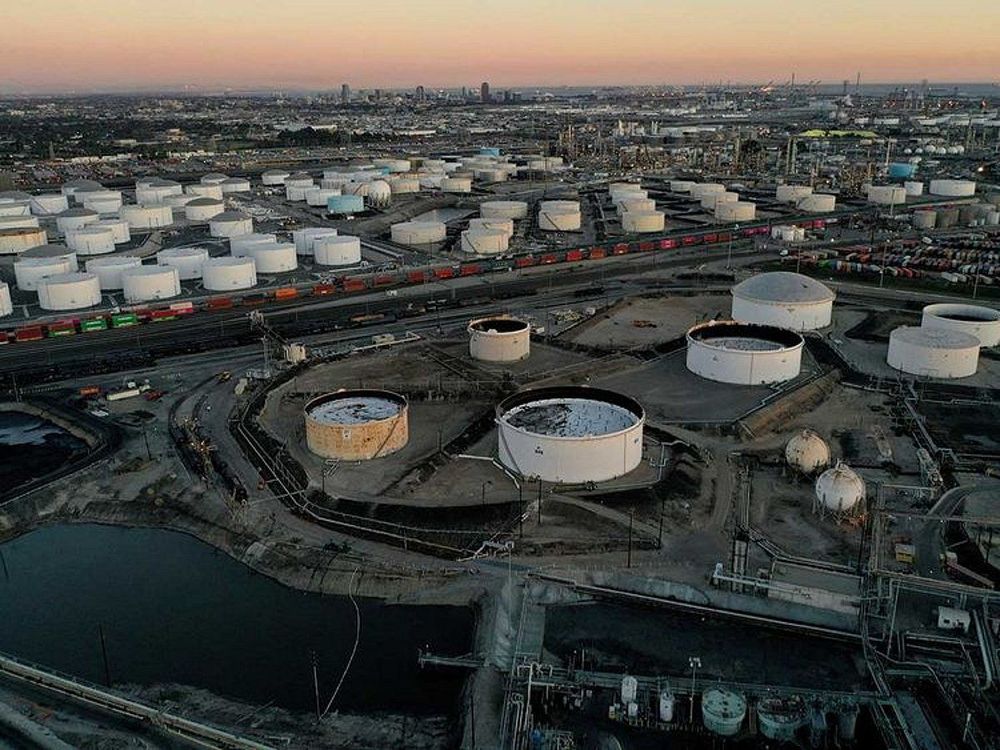
Oil prices drop nearly 5% as Trump halts Iran strike, Brent falls below $84
Oil prices fell sharply Monday morning, with both US and Brent crude losing nearly 5% as markets reacted to renewed hopes of a US-Iran diplomatic breakthrough and a possible reopening of the Strait of Hormuz.
As of 10:17 am Tokyo time, West Texas Intermediate crude was trading at $80.52 a barrel, down $4.15 or 4.90%, while Brent crude stood at $83.85, down $4.08 or 4.64%.
The decline came after US President Donald Trump called off a planned military attack on Iran and said Washington would pursue a nuclear agreement that could lead to the reopening of the Strait of Hormuz.
The market reaction represents a sharp reversal from the oil rally of recent weeks, when escalating US-Iran tensions, attacks on shipping and disruption around the Gulf pushed crude higher.
Investors price in de-escalation over prolonged disruption
Investors are increasingly pricing in the possibility that the latest escalation could eventually ease rather than develop into a prolonged disruption of Middle Eastern oil supplies.
Trump said Middle Eastern countries, including Iran, had asked for additional time to finalize an agreement aimed at reopening Hormuz and addressing Iran's nuclear program.
The Strait of Hormuz remains the critical pressure point. Roughly one-fifth of global seaborne oil, petroleum products and LNG normally moves through the chokepoint, making any sustained disruption a major threat to global energy markets.
But the latest price action shows that oil traders are responding more to the prospect of de-escalation than to the immediate shipping disruption.
35 ships turned back amid US blockade
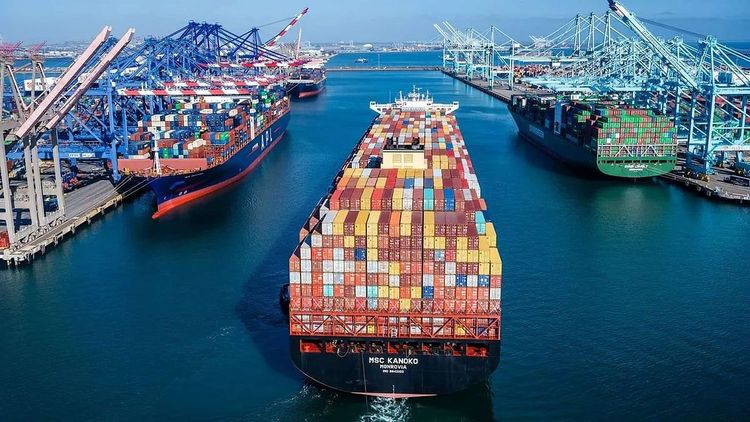
The latest development comes as the US naval blockade of Iranian ports continues to disrupt commercial shipping. Thirty-five ships have been forced to turn back amid the US blockade, according to reports citing the ongoing US Central Command operation.
The blockade targets shipping to and from Iranian ports rather than imposing a blanket closure of the entire Strait of Hormuz. Earlier in the conflict, US forces intercepted and redirected commercial vessels attempting to enter or leave Iranian ports.
That distinction is crucial for the oil market: a blockade of Iranian ports is damaging to Iran's exports, but it does not automatically mean that every barrel moving through Hormuz is blocked.
War premium evaporates from crude
The dramatic fall in crude prices suggests that some of the war premium built into oil over the past several weeks is now being unwound. Brent and WTI had gained more than 20% during the previous month as attacks and shipping disruptions around the Gulf raised fears of a prolonged supply shock.
If Hormuz traffic can gradually normalise, traders could see more Iranian and Gulf barrels returning to the global market, easing fears of a severe supply shortage.
The flip side is equally important: the oil sell-off could reverse rapidly if negotiations collapse or attacks on shipping resume. Three additional maritime incidents have been reported since Saturday, underscoring how fragile the situation remains.
OPEC+ supply increase adds bearish pressure
Supply expectations are also weighing on prices. OPEC+ has approved an increase of about 188,000 barrels per day starting in September, although actual additional supply could be constrained by continuing disruptions in the Gulf and elsewhere.
The combination of potentially restored Gulf supply, higher OPEC+ production and fading fears of immediate US-Iran escalation is giving oil bears a powerful argument.
Regional crude benchmarks show market fragmentation
Not all crude is falling. Murban crude, the Abu Dhabi benchmark, was trading at $85.49 a barrel, up $1.06 or 1.26%.
That divergence highlights the extraordinary fragmentation in the physical oil market created by the conflict. While global benchmark futures are falling on hopes of de-escalation, regional grades can continue to reflect physical availability, shipping constraints, location-specific risk and refinery demand.
Natural gas was also higher, with the benchmark at $2.765, up 0.018 or 0.66%.