Gold Jewellery Demand Drops 17% on High Prices, But Central Bank Buying Surges
Jewellery Demand Falls on High Prices
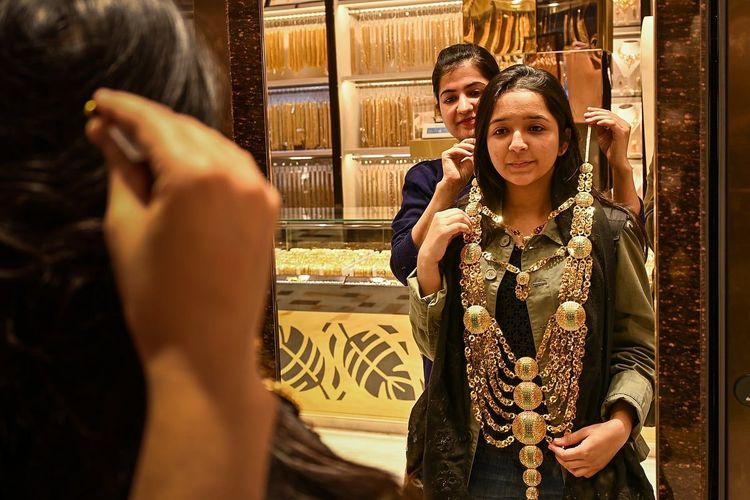
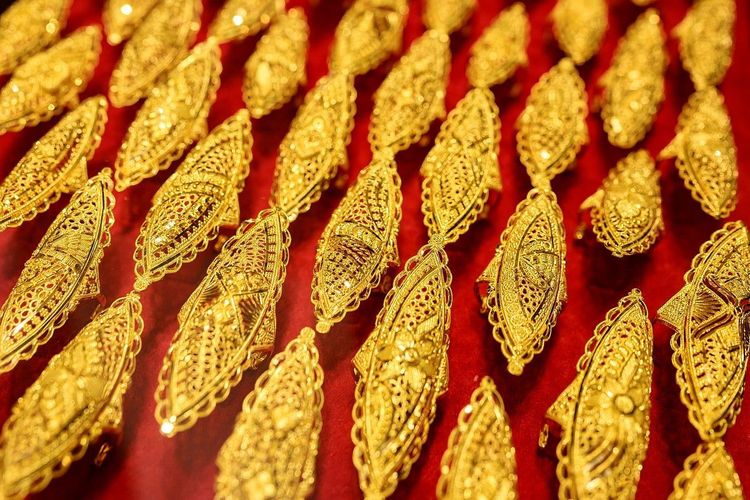
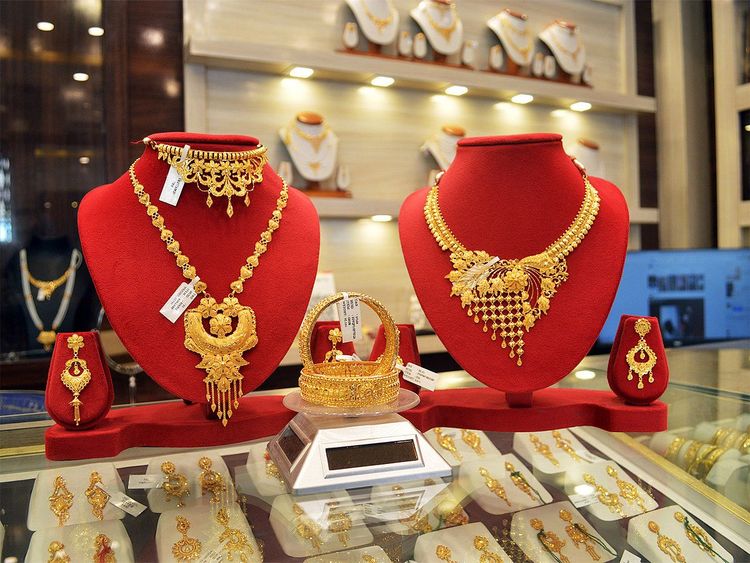
Gold jewellery demand declined 17% year-on-year during the second quarter of 2026 as persistently high prices prompted consumers to purchase less and shift toward lighter products, according to the World Gold Council.
The decline pulled first-half jewellery volumes lower, although the value of demand rose 22% to $86 billion as elevated prices offset the reduction in the amount of gold purchased. The pattern continued a trend that began in the first quarter, when jewellery demand fell 23% year-on-year to 335 tonnes amid record prices, even as spending value increased 31%.
Total global gold demand was unchanged from a year earlier at 1,269 tonnes during the quarter, following a cooling in price momentum from the record levels reached at the beginning of 2026. Gold peaked at $5,589.38 per ounce on January 28, 2026, marking the first time the metal traded above $5,500 before subsequently pulling back.
First-half demand increased 2% year-on-year to an estimated 2,522 tonnes, carrying a total value of $380 billion.
Investment demand loses momentum
Combined investment in gold exchange-traded funds, bars and coins fell to 262 tonnes during the second quarter as lower prices reduced some of the momentum recorded earlier in the year.
Gold-backed ETFs registered outflows of 45 tonnes during the quarter, although first-half ETF demand remained positive at 18 tonnes. By end-June, global gold ETF holdings reached 4,047 tonnes with assets under management of $526 billion, though the value declined 6% during the half due to lower gold prices.
Bar and coin investment fell 3% year-on-year in the second quarter, while demand during the first six months remained 21% above the corresponding period last year following a strong first quarter. The first quarter had seen bar and coin demand surge 42% to 474 tonnes, the second highest quarter on record, driven primarily by Asian investors. China led this growth with demand jumping 67% to a record 207 tonnes.
Demand in the over-the-counter market reached 327 tonnes during the quarter, supported by investment from Asia, taking first-half OTC demand to 571 tonnes.
"Gold's early-year rally reversed in the second quarter, with prices consolidating after correcting from record highs. But the market remained well supported, reflecting gold's established role as a diversifier and store of value," Louise Street, Senior Markets Analyst at the World Gold Council, said.
"While gold ETF flows receded in step with prices, continued central bank buying, and growth in OTC investment contributed to total gold demand edging 2% higher across the first half of the year."
Central bank purchases rise
Central banks and other official institutions added a net 289 tonnes to their reserves during the second quarter, representing an increase of 62% from the same period last year.
Buying strengthened across several markets, although first-half demand remained below the elevated levels recorded in recent years following weaker activity during the first quarter. In 2025, central bank purchases totaled 863 tonnes, moderating from the pace of 2022-2024 when annual purchases exceeded 1,000 tonnes, but still well above the historical 2010-2021 average of 473 tonnes.
Central banks had purchased over 1,000 tonnes of gold annually in each of 2022, 2023, and 2024, with 2022's 1,082 tonnes marking the highest level of net purchases since 1950. The average over the past four years of approximately 1,000 tonnes represents a significant increase from the 500-tonne average over the preceding decade.
The World Gold Council's Central Bank Gold Reserves Survey found that 45% of respondents intend to increase their gold reserves over the next 12 months. The survey, conducted between February 5 and May 19, 2026, received 76 responses—the highest participation on record since the survey commenced nine years ago. Additionally, 89% of reserve managers expect global central bank gold holdings to increase over the next 12 months, while 74% anticipate a decline in the US dollar's share of global reserves over the next five years.
Mine production offsets lower recycling
Total gold supply remained unchanged year-on-year at 1,269 tonnes during the second quarter, with higher mine production offset by a decline in recycling.
Mine production rose by an estimated 2% to 966 tonnes, supported by new output from Canada and Chile.
Recycled supply fell 6% from a year earlier despite high gold prices, with consumers continuing to hold their existing gold instead of selling it back into the market. This pattern mirrors behavior seen in 2025, when recycled supply rose only 3% for the full year despite surging prices, as consumers preferred to exchange or pledge gold rather than sell it outright.
Investment expected to lead demand
The World Gold Council expects investment to drive growth during the second half of 2026, although the mix of demand could change.
OTC activity and Asian investment are expected to take a larger role, while Western ETF demand may be more closely tied to real yields, expectations for US monetary policy and movements in the dollar.
"For the second half of 2026, investment is likely to drive growth, however the demand mix could shift. OTC activity and demand from Asian investors are expected to play an increasingly prominent role, while Western gold ETF interest may be more closely linked to real yields, US monetary policy expectations and the dollar," Street said.
"Central banks will remain significant buyers, albeit at a slightly slower pace than we've seen over the last four years. High prices will keep pressure on jewellery volumes, though consumers may continue to hold rather than sell, with recycling showing little sign of increasing."