Stocks Tumble as Fed's Mixed Signals and Middle East Tensions Rattle Markets
Fed Chair's mixed signals weigh on sentiment
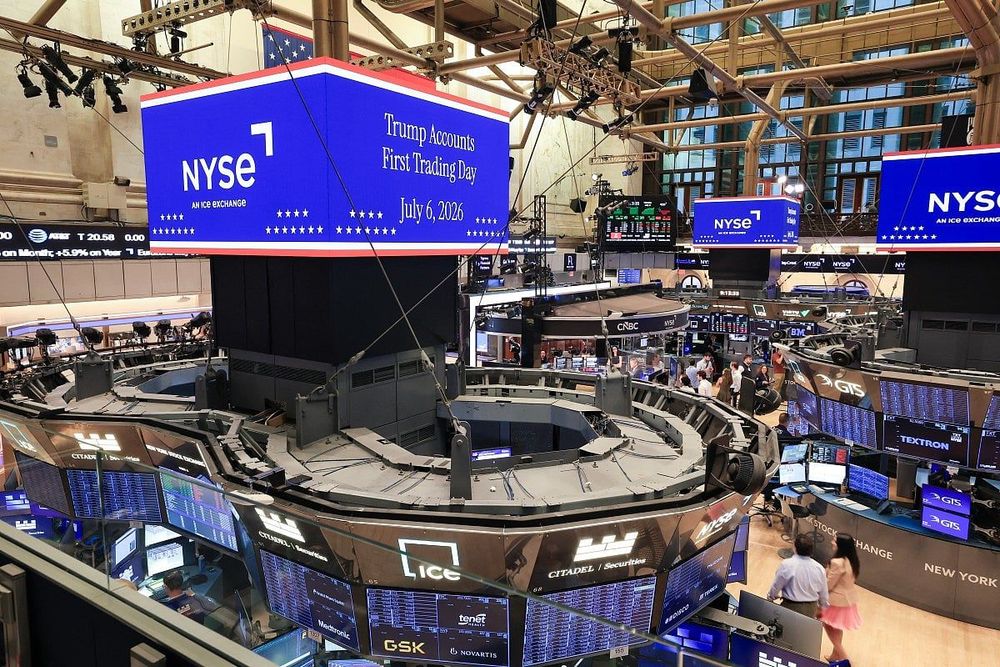
US stock markets closed sharply lower on Wednesday following the Federal Reserve's decision to maintain interest rates at current levels despite persistent inflation, as mounting tensions in the Middle East drove oil prices to their highest levels in months.
Major indices including the Dow, S&P 500 and Nasdaq all finished down more than 1.5% after initially showing modest gains when the Fed announced it would keep the federal funds rate range at 3.50%-3.75%, where it has stood since the first half of 2026 following rate cuts in late 2024 and 2025.
Markets reversed course during Federal Reserve Chair Kevin Warsh's press conference, where he pledged to restore price stability and return inflation to the central bank's 2% target while defending the decision not to raise rates. Warsh, who took office on May 22, 2026, following a contentious 54-45 Senate confirmation vote—the narrowest margin in Fed history—faced immediate skepticism from investors.
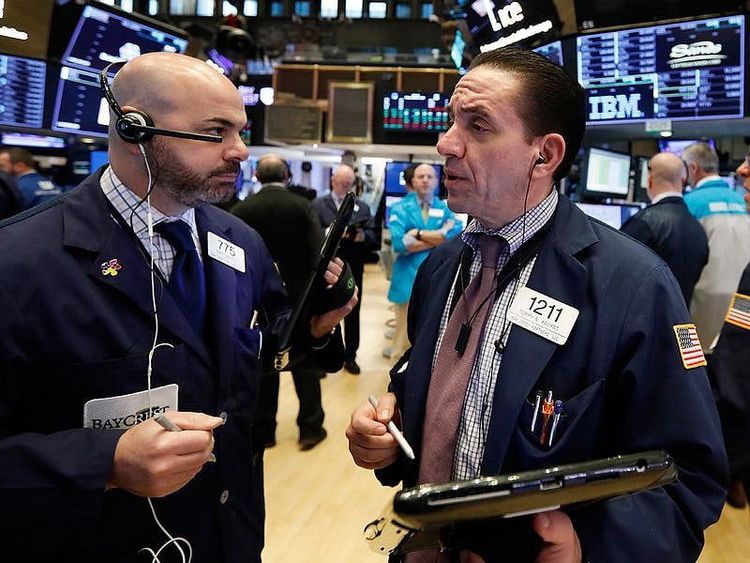
"The market is getting mixed messages from the Fed," said Adam Sarhan of 50 Park Investments. "Basically, we're left with a situation where the problem is not solved," he added, referring to June's annual inflation rate of 3.5%.
During the press conference, Warsh emphasized the Fed's commitment. "We are on the job. We will deliver. We are focused like a laser, making sure we can do it," he said, while acknowledging there was "no magic wand" for quickly lowering inflation.
The bond market's reaction suggested deep skepticism about the Fed's approach. The 30-year US Treasury yield surged to 5.22%, its highest level since 2007 and well above the 4.61% level seen before the Middle East conflict intensified.
Middle East conflict drives oil surge
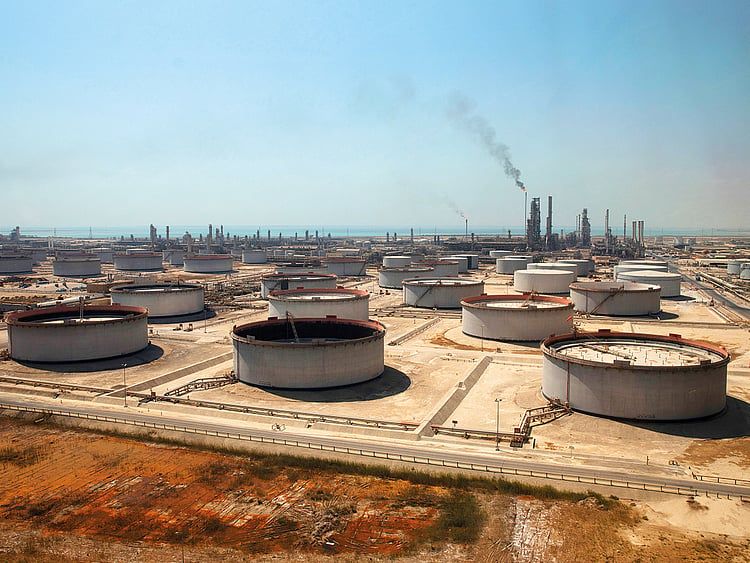
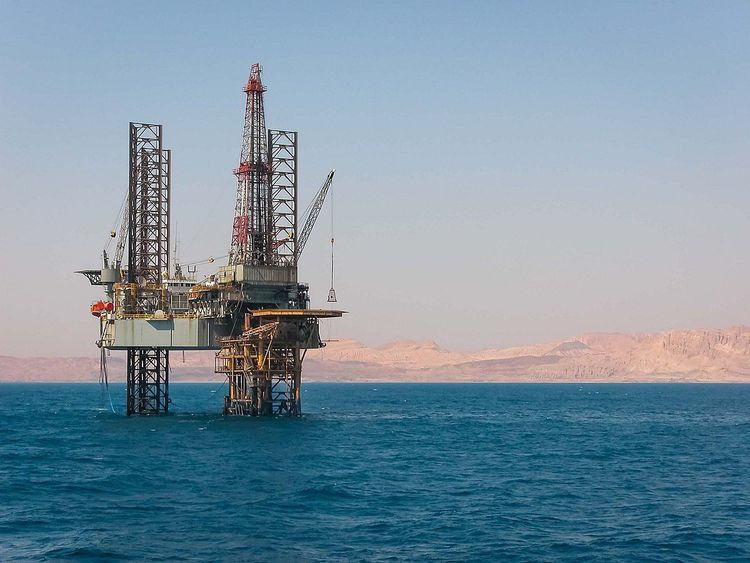
Oil prices jumped nearly 8% as geopolitical tensions escalated sharply. International benchmark Brent crude futures climbed to $90.74 per barrel after Iran launched ballistic missile attacks on US military bases in Jordan on July 28, 2026. President Donald Trump vowed to "hit back hard" at Iran in response.
On Wednesday, Saudi Arabia and the United States announced strikes on militant bases in Iraq, while US ally Israel accused Iran-backed Hezbollah of violating a truce. The attacks followed earlier Iranian strikes on US bases in Bahrain and Kuwait on July 24, part of a broader pattern of regional escalation that began with strikes on February 28, 2026, targeting multiple US and allied facilities across the Middle East.
"We continue to see oil prices and inflation pressures moving higher as inventories drain further amid the lack of peace in the Persian Gulf," noted Bart Melek of TD Securities.
Technology sector under pressure
Technology stocks remained under intense pressure as investors questioned whether artificial intelligence infrastructure investments would justify recent valuations. The Nasdaq-100, which hit a record peak on June 2, 2026, has now fallen more than 11% from that high, entering correction territory.
The Philadelphia Semiconductor Index fared even worse, plunging into bear market territory on July 28 with a decline exceeding 20% from its recent record high. South Korean chipmaker SK Hynix shed nearly 20% despite reporting strong profits, extending a sharp selloff. The company's shares have lost more than half their value since peaking just one month ago, falling below the $149 IPO price from its $26.5 billion Nasdaq debut on July 9, 2026—the largest US listing of the year.
Seoul's Kospi index, considered a bellwether for the AI industry due to major holdings in SK Hynix and Samsung, plummeted 6% to extend Tuesday's nearly 11% collapse. Tokyo's market declined 1.5% while Taipei dropped almost 4%.
Bond market signals credibility concerns
DoubleLine CEO Jeffrey Gundlach told CNBC that the bond market's violent reaction revealed doubts about the Fed's commitment to its inflation target. "If you really want to get to two percent, I think you have to raise interest rates," Gundlach said. "The bond market vigilantes are saying, 'If you really want us to believe your rhetoric, you've got to start acting.'"
Arun Sundaram, senior vice president at CFRA Research, agreed the surge in long-term Treasury yields "is likely a signal that investors doubt the Fed's credibility in returning inflation to its two percent target."
Warsh, who previously served on the Federal Reserve Board of Governors from 2006 to 2011 and helped manage the 2008 financial crisis alongside then-Chair Ben Bernanke, now faces the challenge of restoring market confidence in the central bank's inflation-fighting credentials.
After the closing bell, Microsoft shares gained following its earnings report, while Meta fell sharply. European markets showed mixed performance, with London's FTSE 100 reaching a record high of 10,951.06 points as surging oil prices boosted energy giants Shell and BP, though it later pared gains. Paris luxury stocks diverged sharply, with Hermes tumbling more than 11% on weak China demand while Gucci parent Kering soared over 15%.