Trump administration pays RWE $1.2 billion to abandon offshore wind projects, pushing buyback total near $4 billion
German energy giant RWE receives $1.22 billion settlement to relinquish offshore wind leases off New York, California and Louisiana, as Trump administration continues strategy of buying back renewable energy projects in favor of fossil fuels.
Trump administration pays RWE $1.2 billion to abandon offshore wind projects, pushing buyback total near $4 billion
The Trump administration reached a $1.2 billion settlement with German energy company RWE U.S. Offshore on Thursday to terminate offshore wind projects under development off the coasts of New York, California and Louisiana, bringing the total spent on such lease buybacks to nearly $4 billion.
RWE stated the leases represented years of planning and investment in partnership with federal agencies, but determined there was no viable path to permit the projects in the foreseeable future. In exchange for $1.22 billion, the company is relinquishing wind power leases that could have generated approximately seven gigawatts of electricity, sufficient to power more than 5 million homes. RWE holds no remaining offshore wind leases in U.S. waters.
Administration's evolving strategy on offshore wind
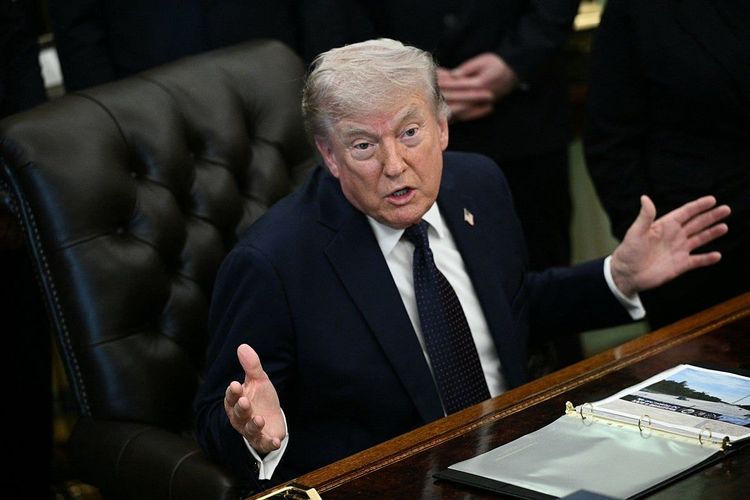
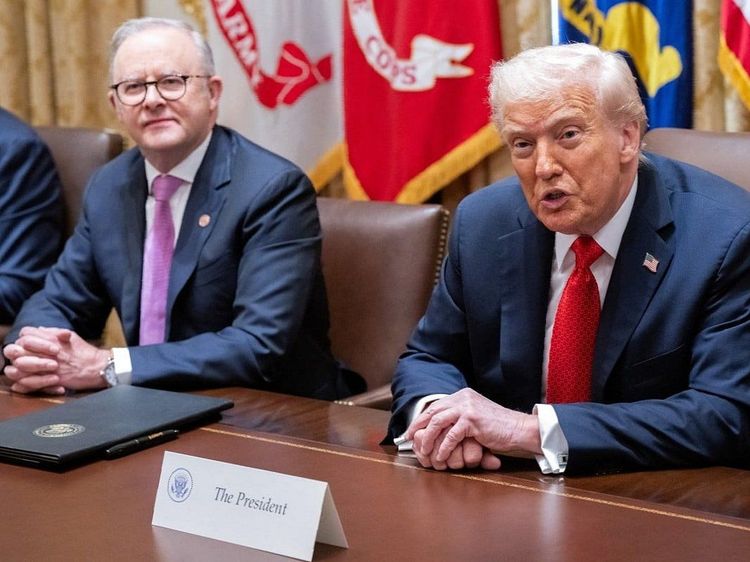
President Donald Trump has repeatedly voiced opposition to wind power development. After federal courts blocked his attempts to halt offshore wind through executive orders, ruling them arbitrary and in violation of the Administrative Procedure Act, the administration adopted the lease buyback approach to discourage wind energy expansion while promoting fossil fuel development.
The strategy has drawn sharp criticism. Senator Sheldon Whitehouse, D-Rhode Island, characterized the lease buybacks as effectively bribing companies to abandon clean energy that could displace fossil fuel plants, ultimately raising costs for consumers.
They are creating this enormous money pump, pulling billions of dollars out of consumers' pockets. That's the real story of what is going on here. And that is both a cost story because of the billions in extra costs consumers pay, and it's a corruption story because it's Trump's sneaky way of getting regular families to pay off his big fossil fuel donors.
Redirection to fossil fuel investments
RWE announced it will invest $900 million in a liquefied natural gas project in Louisiana and spend $300 million on natural gas turbines. The company is currently developing 15 natural gas projects across the United States. RWE, headquartered in Germany and the country's largest power producer, maintains ambitious renewable energy goals globally, targeting 10 gigawatts of offshore wind capacity by 2030 through major projects in Germany, the United Kingdom, Denmark and the Netherlands.
Interior Secretary Doug Burgum defended the agreement Thursday, stating Americans deserve an energy system built on common sense, not one dependent on costly subsidies or technologies that can't meet our country's current demand. He welcomed RWE's voluntary investment in projects that strengthen national energy security and help keep electricity affordable.
Pattern of lease terminations
The RWE settlement follows similar agreements reached earlier in 2026. In March, French company TotalEnergies received nearly $1 billion to relinquish two offshore wind leases it had purchased in 2022 for approximately $928 million, on condition it invests the funds in fossil fuel projects. In April, Golden State Wind and Bluepoint Wind agreed to end their leases in exchange for reimbursements totaling nearly $900 million, with equal investment requirements in fossil fuels. Chicago-based Invenergy accepted $765 million in June to terminate four early-stage offshore wind leases.
The policy shift represents a dramatic reversal from the Biden administration, which set a target of 30 gigawatts of offshore wind capacity by 2030. As of 2023, the United States had only 42 megawatts of operational offshore wind capacity. The offshore wind industry was projected to support up to 83,000 jobs and generate $25 billion in annual economic output by 2030 under the previous administration's plans.
State opposition and technical potential
States that stand to lose offshore wind energy capacity are pursuing legal action, with California indicating its intention to sue. As of March 2026, states had established procurement targets exceeding 115,000 megawatts of offshore wind by 2050, reflecting significant state-level commitment that now conflicts with federal policy.
The United States possesses technical potential for more than 4,000 gigawatts of offshore wind capacity, which could generate approximately three times the nation's annual electricity consumption. However, offshore wind development in the U.S. remains nascent compared to European markets. Block Island Wind Farm, which began operating in 2016 with 30 megawatts of capacity off Rhode Island, was the first operational offshore wind project in the country.
Separate court ruling on onshore wind
In a related development, a coalition of renewable energy groups sued Pentagon officials over their failure to complete national security reviews for new onshore wind farms on private lands. A federal judge in Oregon ruled in favor of the plaintiffs on Thursday, ordering the Defense Department to resume its review process and provide status reports on progress.