How modern warehouses became the strategic cornerstone of competitive supply chains
Warehousing has evolved from a cost center to a strategic asset as e-commerce growth, regional investment and automation transform logistics operations across the Middle East.
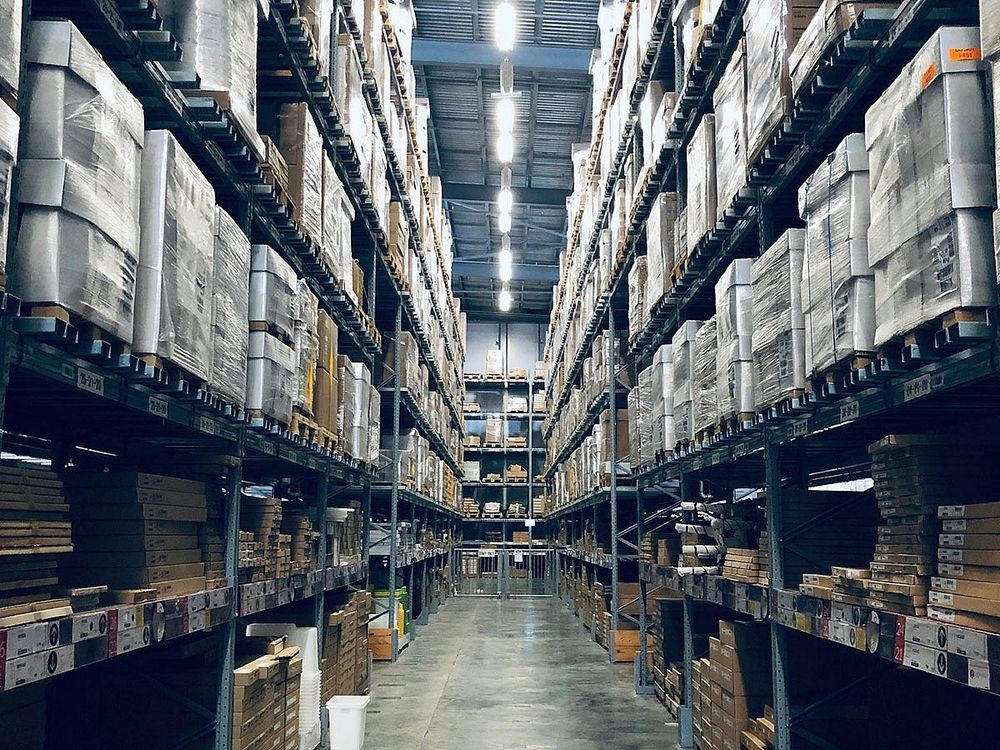
How modern warehouses became the strategic cornerstone of competitive supply chains
Warehousing operations have undergone a fundamental transformation in recent years, shifting from basic storage facilities to strategic business assets that directly influence customer experience and competitive positioning. This evolution reflects broader changes in how goods move through supply chains in an era defined by e-commerce expansion, regional trade growth and accelerating customer expectations.
The scale of this shift is substantial. The UAE logistics market reached USD 57.6 billion in 2025 and is projected to grow to USD 96.3 billion by 2034, expanding at a compound annual growth rate of 5.58%. The sector now accounts for approximately 14% of UAE GDP, underscoring its economic significance. Across the Gulf region, the UAE and Saudi Arabia combined deployed over $110 billion in logistics investment during 2024, with substantial portions directed toward infrastructure, special economic zones and logistics connectivity.
From pallets to individual orders
The operational demands facing warehouses today bear little resemblance to those of a decade ago. Where facilities once focused on moving pallets containing thousands of identical products, they now process millions of individual items destined for specific customers with unique delivery requirements. This shift reflects the dramatic growth of e-commerce, with the UAE online retail market reaching approximately $12.3 billion in 2026 and projected to reach $21.01 billion by 2031 at an 11.29% compound annual growth rate.
Businesses are simultaneously rethinking inventory placement strategies. While cross-border fulfillment remains important, customers increasingly value purchasing from brands with established local operations capable of rapid, reliable delivery. This preference is driving investment in regional distribution hubs rather than centralized global facilities serving multiple distant markets.
The Middle East is experiencing accelerated development of strategically located logistics centers around major ports, airports and free zones. Jebel Ali Port handled 15.5 million TEUs in 2024, while Dubai International Airport processed 2.2 million tonnes of cargo, supporting specialized warehousing development near Jebel Ali Free Zone and Dubai South. In Abu Dhabi, the Al Falah Logistics Park spans 8.3 million square meters near Zayed International Airport, with the East Midfield Cargo Terminal designed to handle up to 1.5 million tonnes annually once fully operational in 2027.
Recent infrastructure announcements illustrate this momentum. Jebel Ali Free Zone launched an expansion in April 2026 adding over 500,000 square meters of new warehousing and distribution space equipped with automation technologies, specifically designed for e-commerce, pharmaceutical and food logistics sectors.
Speed and service quality
Delivery speed alone no longer differentiates leading logistics operations. Customers now evaluate brands based on the complete fulfillment experience, from order accuracy to packaging condition upon arrival. In pharmaceuticals, healthcare and other regulated industries, precision is mandatory rather than aspirational. Delivering the correct product in proper condition at the specified time is fundamental to patient safety, regulatory compliance and operational continuity.
Meeting these elevated expectations requires organizations to fundamentally redesign warehouse operations and supporting systems. While artificial intelligence, robotics and automation attract significant industry attention, successful implementation depends on solid operational foundations. The critical starting point is data infrastructure.
Customer information, operational metrics and financial systems must be clean, standardized and interconnected before technology investments deliver meaningful returns. Organizations should first identify complexity concentrations, cost drivers and genuinely repetitive processes that benefit from automation. With these foundations established, digital tools become powerful enablers rather than expensive experiments that struggle to demonstrate value.
The Middle East warehouse automation market reflects this growing recognition, expected to expand at a 15% compound annual growth rate from 2024 to 2030, reaching USD 1,563.5 million by the end of the decade. Major industry participants are committing substantial resources to modernization initiatives. DHL Group announced investment exceeding USD 570 million in the Middle East through 2030, targeting enhanced logistics infrastructure including warehouse expansion, equipment upgrades and automation technologies.
Adapting to demand fluctuations
As automation and robotics mature, warehouse operations will become increasingly adaptable to demand fluctuations. Traditional peak season planning often requires weeks of workforce recruitment and training to accommodate temporary volume increases. Advanced automation enables facilities to respond more dynamically to changing order patterns while allowing employees to focus on operations management, quality oversight and exception handling rather than repetitive manual tasks.
Large regional distribution centers will remain essential, providing economies of scale necessary for international trade. Alongside these facilities, smaller urban fulfillment operations located closer to end customers continue expanding. Grocery, consumer electronics and other fast-moving sectors demonstrate how proximity significantly improves responsiveness while supporting same-day and next-day delivery expectations that increasingly define customer satisfaction.
Modern warehousing requires specialized expertise spanning engineering, sophisticated process design, operational excellence and deep sector knowledge. A warehouse supporting fashion retail operates fundamentally differently from one handling pharmaceuticals or industrial manufacturing components. This specialization creates value but also raises barriers to entry for organizations seeking to establish or expand logistics capabilities.
Location as competitive advantage
Access to appropriate logistics infrastructure has emerged as a critical strategic factor. Suitable warehouse space in strategically located areas is becoming scarcer, particularly in premium locations. Grade A warehouse occupancy in the UAE now averages 95%, with rental rates rising 18% in Dubai and 13% in Abu Dhabi over the past year. Free zones remain highly attractive for their regulatory advantages and connectivity, while hyperlocal facilities near urban centers grow increasingly valuable as businesses prioritize faster fulfillment and greater market proximity.
This scarcity means the right warehouse location is no longer merely an operational consideration. It has become a source of competitive advantage in its own right, influencing everything from delivery speed to cost structure to service reliability.
Warehouses were once places where products waited between production and sale. Today they represent environments where customer promises are fulfilled, business resilience is built and competitive differentiation is created. In contemporary supply chains, warehousing has evolved into one of the most important strategic investments an organization can make.