Saudi Arabia plans February 2027 launch for Tawakkalna Shamel AI assistant
Saudi Arabia plans to launch an AI assistant inside its Tawakkalna app in February 2027, allowing citizens to request government services by voice in local dialects. Called Tawakkalna Shamel, the agent is the first step in a broader plan to provide personal AI assistants to citizens, residents and visitors.
 Layla Haddad
Government requests through everyday speech
The planned services include passport renewals, vaccination services and school enrollment for children. Rather than navigating separate government platforms and completing forms, users would ask the assistant to handle a request, according to Sabq.
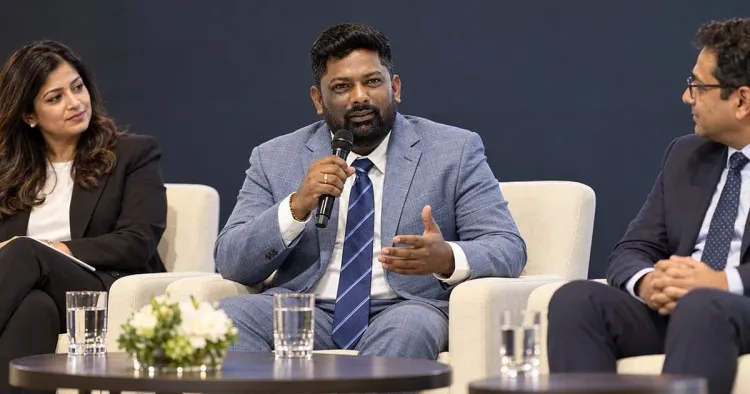
Communications and Information Technology Minister Abdullah Alswaha announced a first-quarter 2027 launch target at the Budget 2027 Forum in Riyadh, Saudi Gazette reported. The Saudi Times and Middle East Online identified the agent as Tawakkalna Shamel in their November 25, 2026, reports and specified February as the planned launch month.
The Saudi Times describes Shamel as a digital twin that conducts government transactions for the user in one place. The wider effort follows a directive from Crown Prince and Prime Minister Mohammed bin Salman to provide personal AI agents not only to citizens but also to residents and visitors.
Shamel's public introduction preceded the launch announcement by a year. In November 2025, National Information Center Director Dr. Esam Al-Wagait demonstrated it at the Digital Government Forum, The Saudi Times reported. That presentation showed voice access in everyday Arabic to personal records, including traffic violations, travel information and official documents.
What the agent is designed to do
Alswaha described a shift toward government services delivered through AI agents: a person makes a request, and the assistant manages it and coordinates with the agencies involved.
Middle East Online outlined the intended transaction process in its November 25 report. The agent would first confirm the user's identity and access permissions, then obtain the necessary information from government databases. It would assess eligibility, fees and required documents before preparing an application.
Where a step requires explicit consent, the assistant would seek the user's approval. It would then send the application to the responsible authority, monitor its progress and report the result. The described process is subject to approved permissions and regulatory controls.
That account describes the intended workflow, but the details of how requests will be handled behind the scenes remain unclear. Whether users will have to pay for the assistant is also unspecified.
A 500-user trial ahead of rollout
The Saudi Data and AI Authority, or SDAIA, has started testing the assistant with 500 people and plans to expand the trial to thousands before launch. The authority operates Tawakkalna, which has more than 36 million users and offers over 1,800 government services.
The assistant will enter a government service network that has already undergone consolidation. Mergers have reduced the number of government platforms from 800 to 450, while Sabq reports that 85% of Saudi government services are fully automated.
At the budget forum, SDAIA President Abdullah Alghamdi said more than 560 government systems had been connected to the National Data Bank. He also said 380 public- and private-sector entities provide services through Tawakkalna, according to Origami's account of a Saudi Press Agency report.
AI investment and the 2028 goal
Saudi Arabia is pursuing a place among the world's five leading AI countries, Alswaha said. He identified infrastructure and data centers, wider adoption of AI applications, and stronger competitiveness for Saudi companies and talent as priorities. HUMAIN's AI stack plans and the communications ministry's support for the AgentX hackathon in Riyadh are also part of the country's broader AI effort.
Alswaha estimated the Saudi digital economy at nearly half a trillion riyals during the forum, according to The Saudi Times. Origami, citing the Saudi Press Agency, reported that the country ranks fourth in the overall global digital government index and first in five of its main indicators.
The 2025–2030 Digital Government Strategy projects that digital transformation initiatives will contribute roughly 11.4 billion riyals cumulatively to GDP and create more than 26,000 jobs by 2030, Middle East Online reported. Those figures are strategic targets and estimates, not returns already achieved.
After Shamel's launch, the plan calls for specialized agents in sectors such as health, education and transportation, according to The Saudi Times. Alswaha's longer-term target is a full transition to AI agents for serving citizens by 2028, The Saudi Times and Middle East Online reported.