Brent crude surges above $91 as US-Iran strikes and Houthi blockade threats escalate energy supply fears
Oil prices jumped to five-week highs on Wednesday as US military strikes on Iran intensified and Yemen's Houthis threatened Saudi shipping, raising concerns over crude flows through the Strait of Hormuz.
Oil tops $91 again: Brent hits five-week high as US-Iran conflict, Houthi threats jolt global markets
Global oil prices climbed sharply in early Asian trading on Wednesday, July 22, with Brent crude breaking above $91 per barrel for the first time in five weeks as escalating military confrontations in the Middle East and renewed threats to key shipping routes revived fears of supply disruptions.
As of 7:26 am Tokyo time, Brent crude rose 2.01% to $91.01 per barrel, while US benchmark West Texas Intermediate gained 0.34% to $84.63. Murban crude, produced by Abu Dhabi National Oil Company at approximately 2 million barrels per day and representing roughly half of the UAE's total oil output, posted the session's strongest gain, climbing 4.90% to $85.77 per barrel. Natural gas edged up 0.56% to $2.881.
The rally follows a sharp escalation in the US-Iran conflict, which has intensified concerns over potential disruptions to crude shipments through the Strait of Hormuz. The narrow waterway handles approximately 25% of global seaborne oil trade and nearly 15 million barrels per day of crude oil, representing 34% of global crude oil trade. Brent settled Tuesday at its highest level in roughly five weeks after US strikes on Iranian targets and Iranian retaliatory attacks raised the stakes for energy security in the Gulf.
Houthi blockade adds pressure
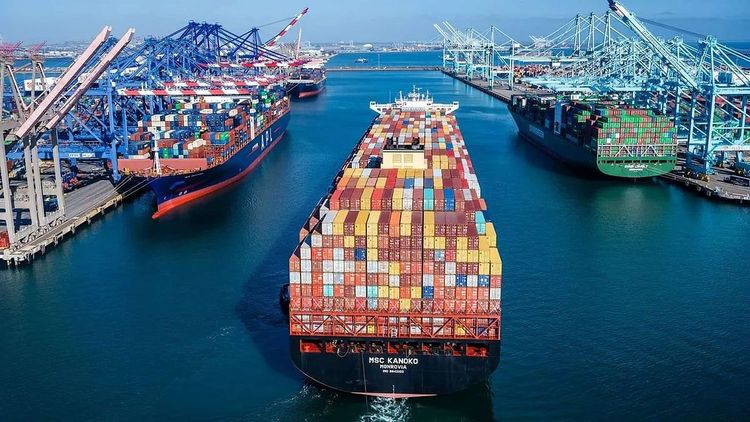
Additional strain came after Yemen's Houthi movement on July 20 declared a naval blockade against Saudi Arabia, threatening to target Saudi shipping in response to an attack on Sanaa International Airport. The move carries particular significance given that Saudi Arabia moves approximately 5.5 million barrels per day through the Strait of Hormuz, accounting for about 38% of all crude and condensate exports through the waterway. Some tankers have already begun altering their routes in response to the heightened risks.
Murban crude's outperformance reflects heightened concerns among Asian buyers over Gulf supply risks. China, India, Japan, and South Korea collectively received 69% of all crude oil flowing through the Strait of Hormuz in 2024, with approximately 84% of all crude destined for Asian markets. The grade has established itself as an increasingly important benchmark since futures trading launched on ICE Futures Abu Dhabi in March 2021, with volumes reaching 1.5 billion barrels in the second quarter of 2024.
Focus shifts to inventory data
Markets are also watching US crude inventory data due later Wednesday. Analysts expect another weekly decline in stockpiles, a development that could provide further support for prices if confirmed. Oil remains well below the peaks reached earlier this year during the height of tensions, when Brent briefly traded above $120 per barrel before retreating as ceasefire efforts and a coordinated strategic petroleum reserve release of 400 million barrels by 32 countries eased immediate supply fears. The United States contributed 172 million barrels to that effort on March 11.
Analysts say geopolitical risk premiums are returning to the market as traders assess whether the latest military exchanges could threaten commercial shipping in both the Strait of Hormuz and the Red Sea. Such disruptions could tighten global crude supplies during the peak Northern Hemisphere summer demand season, even as OPEC+ countries agreed on July 5 to increase production by 188,000 barrels per day in August, marking the fifth consecutive monthly increase.
The strait's importance extends beyond crude oil. It also handles approximately 20% of global liquefied natural gas trade, with 93% of Qatar's and 96% of the UAE's LNG exports transiting through the waterway, adding another dimension to the potential economic impact of prolonged disruptions.