Dubai gold nears Dh500 again as five-day rally adds Dh14.25 per gram
Dubai's 24-karat gold price climbed to Dh495.75 per gram on Wednesday, extending a five-day recovery from July's monthly low and moving closer to the Dh500 mark as international bullion rose above $4,100 an ounce.

Dubai gold nears Dh500 again as five-day rally adds Dh14.25 per gram
Gold buyers in Dubai are seeing prices approach Dh500 per gram once again after a five-day rally pushed the 24-karat rate to Dh495.75 on Wednesday morning, marking a Dh3.75 increase from the previous day's Dh492.
The Wednesday rate places 24K gold just Dh4.25 below the closely watched Dh500 threshold and Dh7.25 below July's peak of Dh503, recorded on July 4 and July 5. Dubai's 22-karat rate advanced Dh3.50 to Dh459 per gram, up from Dh455.50 on Tuesday.
Recovery from monthly low gathers momentum
The latest gains extend a rebound that began after 24K gold dropped to Dh481.50 on July 16 and July 17, its lowest point this month. Prices have since climbed Dh14.25 per gram, with most of that increase occurring over the past three trading sessions. The 24K rate rose from Dh483 on Monday to Dh492 on Tuesday before reaching Wednesday's Dh495.75.
The 22K price has tracked a similar trajectory, recovering Dh13 from its monthly low of Dh446 and now sitting Dh7 below July's high of Dh466. Both grades are trading above their July 1 opening levels, with 24K up Dh6 from Dh489.75 and 22K gaining Dh5.50 from Dh453.50.
International gold advances past $4,100
Dubai's price movement followed further gains in global bullion markets, where gold rose as much as 1% to trade above $4,100 an ounce. The advance extended a nearly 2% gain from the previous session, while silver climbed towards $60 an ounce.
The rally comes despite elevated US Treasury yields, which typically limit demand for non-yielding assets like gold. The Federal Reserve is maintaining its benchmark federal funds rate at 3.50% to 3.75%, with inflation projections revised upward to 3.6% for 2026.
Investment flows into gold-backed exchange-traded funds are showing signs of recovery. Total ETF holdings rose by approximately 7.4 tonnes on Tuesday, the largest daily inflow in more than a month. The Tuesday increase is notable given that global gold ETFs recorded net outflows of 76.44 tonnes through mid-July, following North American funds shedding $5.5 billion in June alone. That brought the region's first-half outflows to $7.7 billion, the weakest start to a year since 2013.
Geopolitical tensions support safe-haven demand
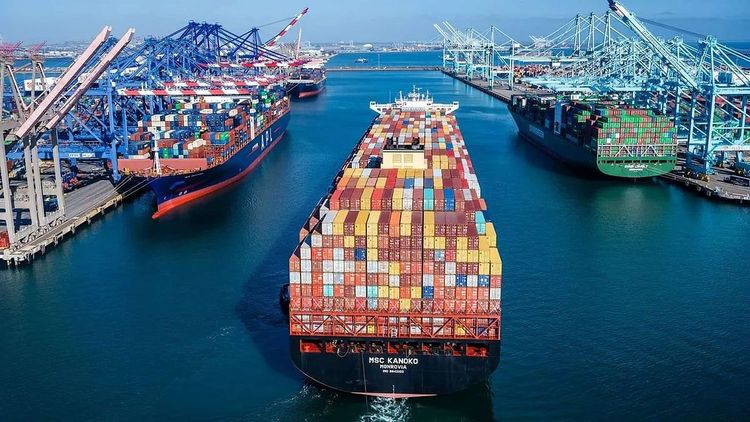
Gold continues to benefit from ongoing military confrontations between the United States and Iran. The two nations have exchanged strikes for more than 10 consecutive days, with US forces conducting operations aimed at degrading Iran's ability to target vessels in the Strait of Hormuz. The strategic waterway handled approximately 25% of global seaborne oil trade and 20% of liquefied natural gas shipments before the conflict began on February 28, 2026.
US President Donald Trump played down prospects for immediate negotiations with Iran after both sides exchanged attacks near the strait. Houthi militants in Yemen have also threatened Red Sea shipping routes, adding to regional instability.
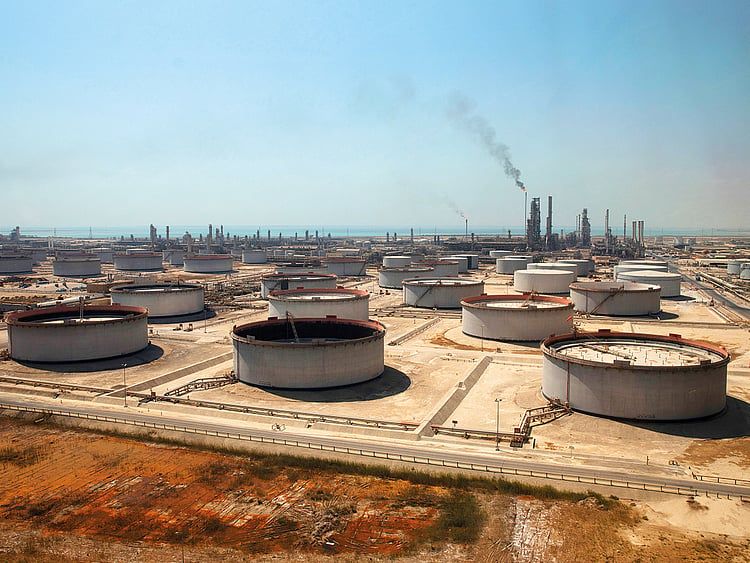
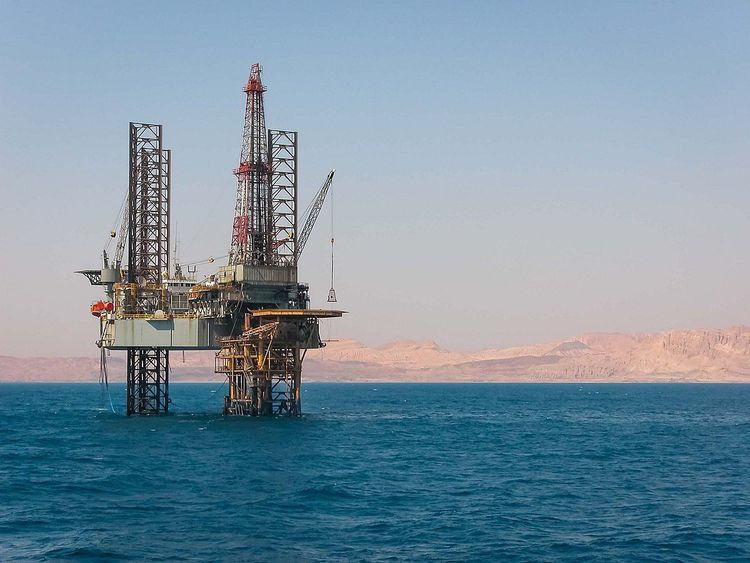
Oil prices responded to the escalating tensions, with Brent crude jumping above $90 per barrel on July 19 before settling in the $83-89 range by July 21. The price movements reflect supply concerns, though global oil output rebounded by 4.1 million barrels per day to 98.8 million barrels daily in June as some flows resumed through the Strait of Hormuz. Production remains 9.4 million barrels per day below pre-war levels.
Gold down sharply from January record
Despite the recent recovery, gold remains well below its 2026 high. International prices reached an all-time record of $5,589.38 per ounce on January 28, 2026, capping a 65% gain throughout 2025. The precious metal fell by approximately a quarter from that peak following the outbreak of hostilities between the US and Iran, which ended gold's multiyear advance.
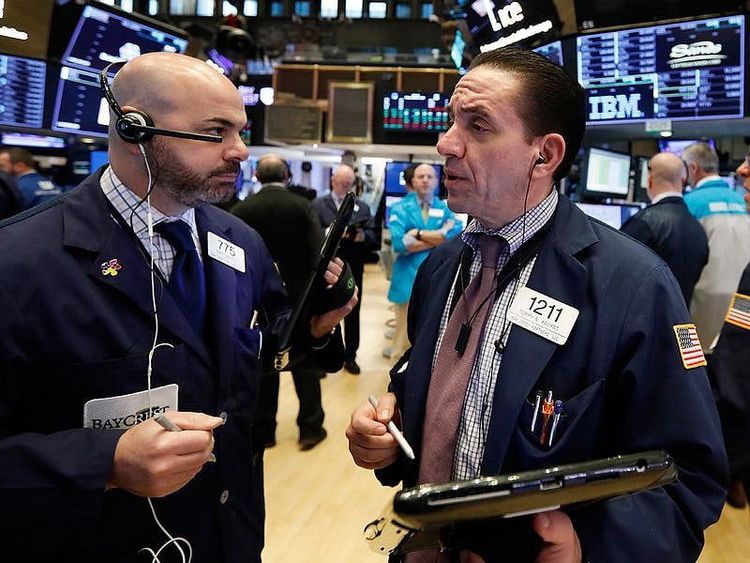
Traders are now balancing higher energy costs against softer US economic data while monitoring signals on the Federal Reserve's interest rate path. Rising oil prices can fuel inflation concerns, while higher borrowing costs tend to weigh on gold because the metal generates no income.
Market forecasts included in Wednesday's update project gold reaching $4,450 an ounce and silver climbing to $65.40 an ounce by the fourth quarter of 2026.