Global stock markets advance as oil prices surge on Iran tensions
Equities closed higher on Tuesday despite rising crude prices, with technology shares rebounding and traders watching geopolitical developments in the Gulf and upcoming earnings from major tech companies.
Global stock markets advance as oil prices surge on Iran tensions
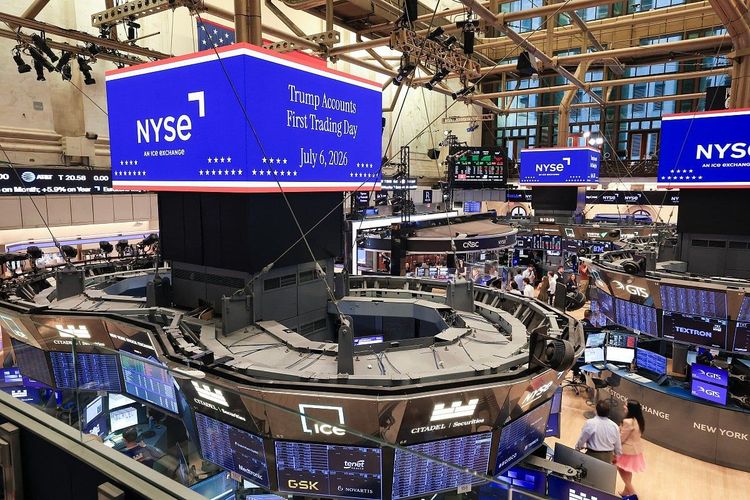
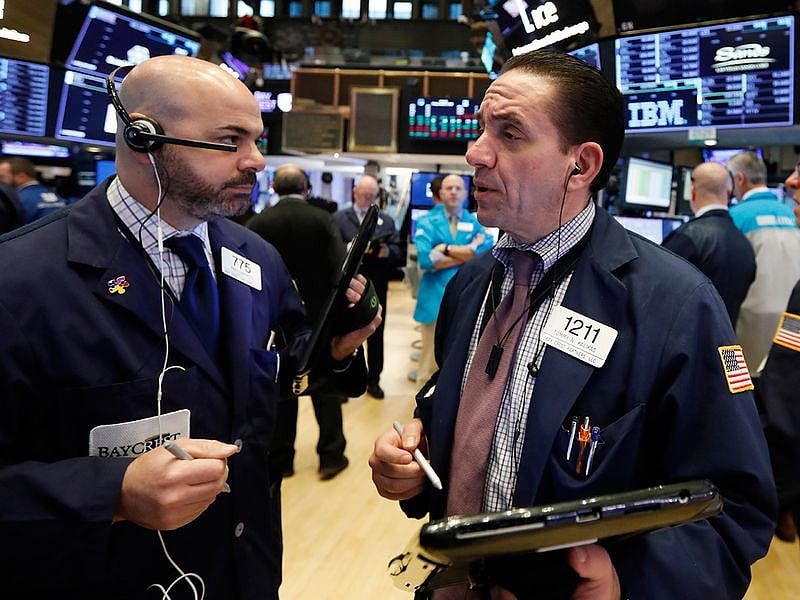
Stock markets gained ground at the close of trading on Tuesday as technology shares extended their recovery, while oil prices climbed after Iran targeted US radar and air defence installations across the Gulf region.
"Traders have been treated to an odd sight today as oil prices rise in tandem with equities and precious metals," said Chris Beauchamp, Chief Market Analyst at online trading and investing platform IG.
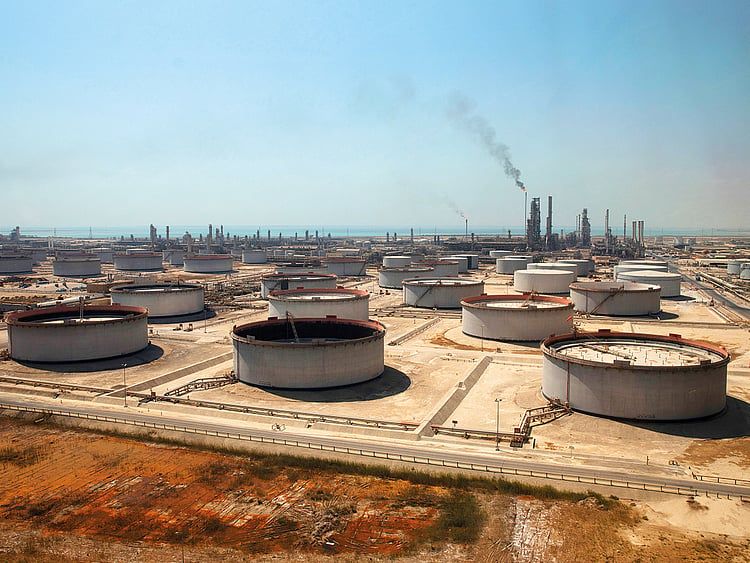
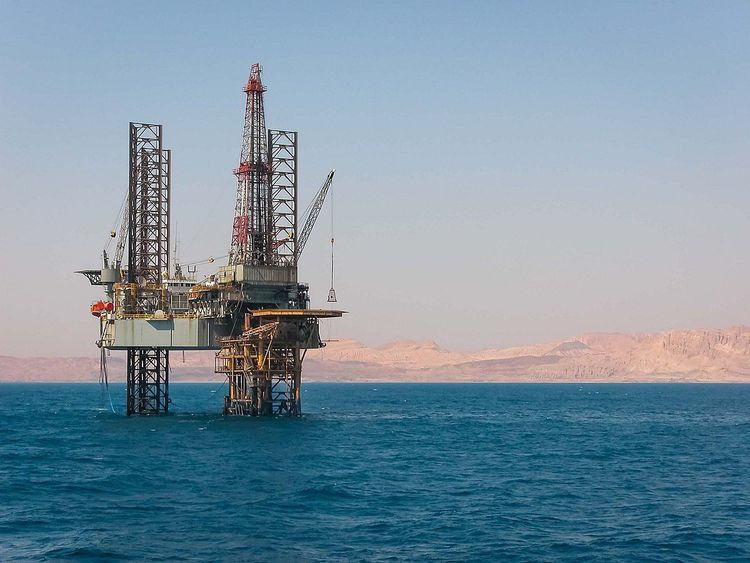
International benchmark Brent crude reached $91.99 per barrel during the session, its highest level since mid-June, before settling at $91.01, up 2.0 percent. The Strait of Hormuz, through which approximately 20 million barrels per day normally transit — representing about 20 percent of global oil consumption and 25 percent of seaborne oil trade — has been at the centre of recent tensions.
Wall Street stocks remained in positive territory throughout the trading day, with the S&P 500 closing at 7,509.20, up 0.9 percent from the previous session's close of 7,443.28.
The stock market "doesn't seem as if it wants to go down at all," said CFRA Research's Sam Stovall, who pointed to strong corporate earnings. General Motors reported second-quarter earnings per share of $3.57, beating analyst estimates of $3.29, and raised its full-year adjusted EBIT guidance to between $14 billion and $16 billion from a previous range of $13.5 billion to $15.5 billion.
"I just think that Wall Street is expecting the earnings surprises to continue to the upside," Stovall added.
Middle East tensions escalate
Iran stepped up its military operations in the Middle East on Tuesday, two weeks after hostilities with the United States resumed. Iran's Revolutionary Guards announced they had attacked and stopped two oil tankers attempting to transit the Strait of Hormuz without compliance.
Tehran has sought to leverage control of the strategic waterway as pressure since a US-Israeli attack on February 28 that reignited the conflict. Asian countries, which receive approximately 89 percent of crude oil and condensate flows through the strait — with China alone accounting for about 38 percent — face the most direct economic impact from any prolonged blockade.
President Donald Trump indicated on Tuesday that further US military action is planned. "We're not finished at all... we're not leaving right now," Trump said. He also warned he would "take care of" the Houthi rebels if the Iran-backed group proceeds with its threatened blockade of Saudi ports.
"Oil remains the key macro anchor," Sucden brokers wrote in a research note to clients. "We expect markets to remain headline-driven in the near term."
Technology sector rebounds
The higher oil prices did not weigh on equities trading as typically occurs, with investors returning to technology stocks. The tech-heavy Nasdaq index advanced for a second consecutive day, with semiconductor stocks leading the gains after recovering from a selloff the previous week driven by concerns about excessive valuations in the artificial intelligence sector.
The technology sector's recovery faces a critical test with the release of earnings from Tesla and Alphabet in the coming days, followed by results from Microsoft, Meta, Apple and Amazon next week.
"Big Tech earnings now need to prove that AI revenues, margins and cash flow can justify the scale" of substantial investments in AI infrastructure, noted Stephen Innes of SPI Asset Management.
Bret Kenwell at eToro said investors now have higher expectations. "They want growth and guidance strong enough to justify elevated valuations," he said.
European markets and UK political developments
Europe's main stock markets ended the day higher, with London's benchmark FTSE 100 index gaining 0.6 percent to close at 10,585.91. The positive reaction came following the appointment of John Healey as finance minister by Prime Minister Andy Burnham, who became the UK's seventh prime minister in a decade on July 20 after succeeding Keir Starmer. Healey previously served as Defence Secretary and resigned from Starmer's government over defence spending disputes.
Investors monitored British bond yields after Burnham — confronting stretched public finances — announced plans to cut taxes on household electricity bills. UK bond yields edged higher while the pound dipped slightly against the dollar.
Key market figures
New York - Dow: UP 0.7 percent at 52,224.64
New York - S&P 500: UP 0.9 percent at 7,509.20
New York - Nasdaq Composite: UP 1.3 percent at 25,837.21
London - FTSE 100: UP 0.6 percent at 10,585.91
Paris - CAC 40: UP 0.3 percent at 8,363.14
Frankfurt - DAX: UP 0.7 percent at 25,011.35
Tokyo - Nikkei 225: UP 3.3 percent at 66,232.19
Hong Kong – Hang Seng Index: FLAT at 25,132.29
Shanghai – Composite: UP 1.8 percent at 3,864.37
Brent North Sea Crude: UP 2.0 percent at $91.01 per barrel
West Texas Intermediate: UP 2.0 percent at $84.91 per barrel
Euro/dollar: DOWN at $1.1406 from $1.1414
Pound/dollar: DOWN at $1.3383 from $1.3431
Euro/pound: UP at 85.20 pence from 84.98 pence
Dollar/yen: UP at 163.17 yen from 162.50 yen