Global dividends surge 10.1% to $424.5 billion in Q1 2026 as Middle East distributes $29.2 billion
Companies worldwide returned $424.5 billion to shareholders through dividends in Q1 2026, with Middle East firms distributing $29.2 billion. Saudi Aramco led regional payouts with $21.89 billion as investor appetite for dividend stocks reached highest levels since 2022.

Global dividends surge 10.1% to $424.5 billion in Q1 2026 as Middle East distributes $29.2 billion
Global companies distributed $424.5 billion in dividends during the first quarter of 2026, marking a 10.1% increase from the same period last year, according to the inaugural Janus Henderson Global Dividend and Buyback Index.
The index, which analyzes dividends and buybacks paid by the 1,200 largest firms by market capitalization globally, expands the firm's long-running dividend research to include share buybacks for the first time and introduces dedicated analysis of Middle East markets.
Middle East companies returned $29.2 billion to shareholders during the quarter, with underlying dividend payments increasing 4% year-on-year despite headline figures showing a 5% decline. The difference stemmed from payment calendar changes, particularly the timing of Saudi National Bank's dividend, which was paid in mid-Q1 2025 but shifted to Q2 2026.
Saudi Aramco dominates regional payouts
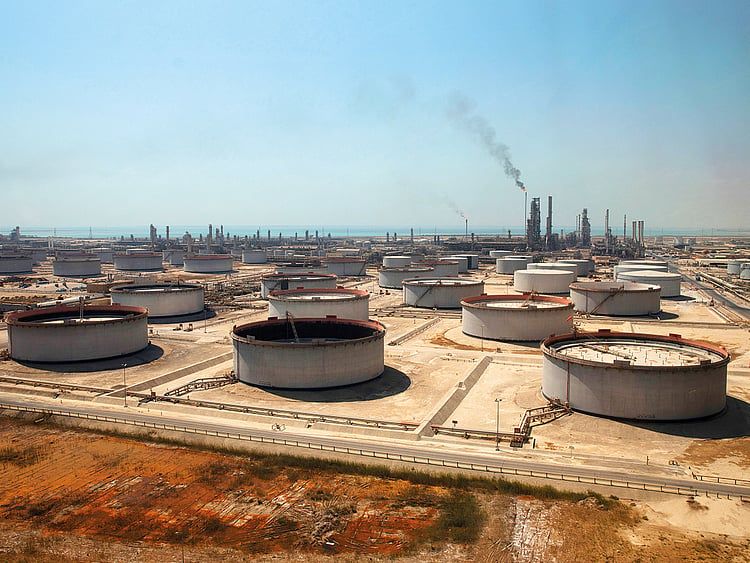
Saudi Arabian companies paid an estimated $24.5 billion in dividends during the quarter, representing almost 84% of the regional total. Saudi Aramco remained the single largest dividend payer in the global index, distributing $21.89 billion in base dividends for the quarter. The company maintains a payout ratio of 86.5% and pays dividends quarterly, with a 5-year dividend growth rate of approximately 3%.
Qatar ranked second in the region with $2 billion in dividend distributions, while UAE companies distributed $1.7 billion. Headline UAE payments were lower than a year earlier because of the timing of Dubai Islamic Bank's dividend.
ADNOC's six listed subsidiaries—ADNOC Gas, ADNOC Distribution, ADNOC Drilling, ADNOC Logistics & Services, Borouge, and Fertiglobe—represent more than $150 billion in combined market capitalization and account for nearly 40% of all annual dividends paid on the Abu Dhabi Securities Exchange. UAE companies listed on the ADX and Dubai Financial Market distributed $24.4 billion in cash dividends for 2025 profits, indicating that Q1 2026's $1.7 billion represents only a portion of the UAE's total annual dividend distribution capacity.
Strong growth despite economic headwinds
The global dividend increase occurred despite higher interest rates, trade uncertainty and geopolitical risk affecting the wider economic outlook. Dividend ETFs globally attracted nearly $22 billion in net inflows during Q1 2026, the highest level since Q2 2022, driven by investor shifts from AI-focused technology stocks to dividend-rich sectors with lower obsolescence risk.
Global share buybacks stood at $425.7 billion, slightly higher than dividends, although repurchases declined 3.1% compared with the same period in 2025. The figures point to different approaches among companies returning excess capital to investors, with dividend payments continuing to grow while companies became more selective about repurchasing their own shares.
Jane Shoemake, Client Portfolio Manager on the Global Equity Income Team at Janus Henderson, said the strength of earnings around the world drove the dividend growth.
Those earnings almost always result in higher dividends, and that's exactly what we're now seeing across a range of industries and regions.
US and Europe lead global distributions
The US remained the largest market for both dividends and buybacks, with companies distributing $183.5 billion in dividends and repurchasing $266.7 billion of shares. US dividend payments accounted for 46.3% of the index total, with technology, financial and energy companies among the main contributors.
Europe excluding the UK distributed $67.4 billion, representing a 35.5% increase from the first quarter of 2025. Currency movements and the timing of payments contributed to the rise. Switzerland was Europe's largest dividend payer at $27.3 billion, followed by Denmark at $9.4 billion.
Financial and materials sectors drive growth
Financial companies were the largest source of global dividends and share buybacks during the quarter, distributing $90.8 billion in dividends and completing $110.7 billion in share repurchases, accounting for more than one-third of the global buyback total.
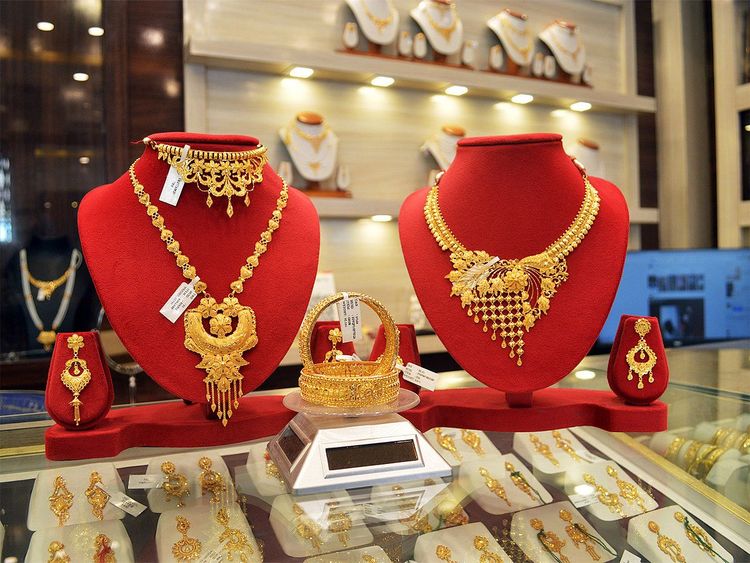
Basic materials companies recorded the fastest dividend growth of any industry, with payments increasing 47.1% year-on-year. The rise was supported by demand for critical minerals such as copper and lithium, which are used in data centres, semiconductors and infrastructure supporting artificial intelligence. Mining companies accounted for one-fifth of the global Q1 2026 dividend increase, with gold mining showing particular strength after gold hit historic highs in 2025.
Technology companies paid $43.7 billion in dividends and carried out $66.6 billion in buybacks during the quarter.
Outlook for 2026
Janus Henderson expects global dividend growth to reach 8.3% in 2026, compared with 6.8% during 2025. Global buybacks are forecast to decline 1.1% this year after increasing 6.1% last year.
Shoemake noted that resilient company earnings continue to support the dividend outlook, although higher interest rates, geopolitical risk and pressure on consumer-facing businesses remain potential challenges.
Dividends are generally long-term board decisions based on sustainability, while buybacks are more discretionary and cyclical in nature. In that sense, dividends remain the stronger signal of confidence, while buybacks act as a more flexible shock absorber.