Amazon to bring drone delivery to nearly 500 US cities by year-end
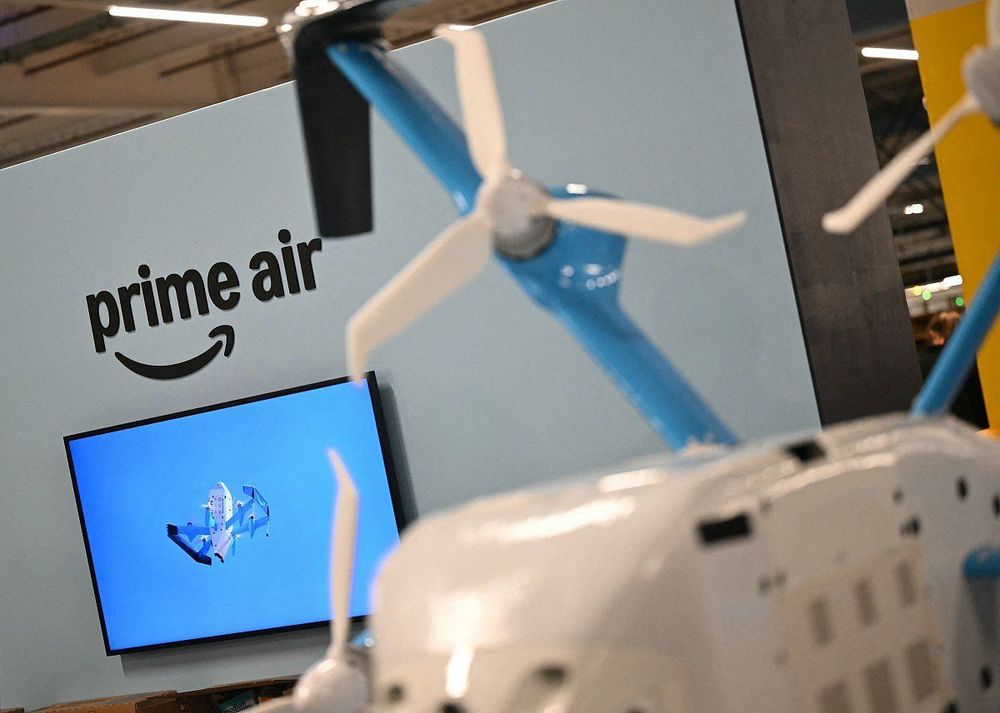
Amazon announced plans to expand its Prime Air drone delivery service more than sixfold to nearly 500 U.S. cities by the end of 2026, promising 30-minute deliveries of lightweight packages as competition with Walmart intensifies.
Amazon to bring drone delivery to nearly 500 US cities by year-end
Amazon announced Thursday it will expand its drone delivery service to nearly 500 U.S. cities by the end of the year, bringing 30-minute airborne package deliveries to millions more customers in suburban communities across the country.
The expansion represents a more than sixfold increase in Amazon's Prime Air operations, which currently serve 11 locations. The new service areas will include the Chicago, Atlanta, Cleveland and Boise metro areas, with drones primarily operating in suburban zones away from skyscrapers and major airports.
Customers ordering eligible items can receive packages weighing up to 5 pounds delivered by drone in as fast as 30 minutes. The service will be free for Amazon Prime members on orders over $50, while smaller orders will cost members $2.99. Non-members will pay $4.99 for drone delivery.
Intensifying competition with Walmart
The announcement escalates the delivery speed battle between Amazon and retail giant Walmart, which is expanding its own drone delivery partnership with Wing, an Alphabet-owned company. Walmart plans to add 150 stores to its drone delivery network in 2026, aiming to reach more than 40 million Americans and establish over 270 drone delivery locations by 2027.
Amazon has been developing its drone delivery vision since founder Jeff Bezos unveiled the Prime Air concept on CBS's 60 Minutes in December 2013. The company officially launched commercial operations in 2022 after receiving FAA Part 135 air carrier certification, the same credential held by commercial airlines.
Technical capabilities and limitations
Amazon's MK30 drones weigh 83 pounds at maximum takeoff weight and cruise at approximately 73 mph at altitudes of 200 to 300 feet, with a maximum operating range of 7.5 miles. The company has engineered custom propellers to make the MK30 approximately 50 percent quieter than earlier models, addressing noise concerns that could pose challenges to expansion.
However, the drones face numerous operational constraints beyond their 5-pound weight limit. Tree cover, landscaping features and obstacles like inflatable pools can make it difficult to find suitable drop zones. The technology still requires regulatory approvals in each new community.
In August 2025, the FAA proposed a new rule that would enable beyond visual line of sight operations for drones up to 400 feet above ground level and weighing up to 1,320 pounds, though the regulation has not yet been finalized. Amazon has already secured waivers allowing its drones to fly beyond the pilot's line of sight.
Market still in experimental phase
Hundreds of thousands of packages have been delivered by Amazon drones this year, but the service remains experimental relative to the company's overall delivery volume of hundreds of millions of packages annually.
It's still an experiment. It's still in test and learn mode.
said Sucharita Kodali, a retail analyst with Forrester. She noted that while the novelty may initially attract orders, the long-term economics and customer adoption patterns remain uncertain.
Data from Walmart's drone partner Wing suggests sustained usage is possible among some customers. The company reported that its top 25 percent of users order drone deliveries three times per week, commonly requesting items like eggs, ground beef, fresh produce and snacks.
Kodali suggested drones could prove most valuable for urgent, lightweight deliveries such as prescription medications. DoorDash and other delivery companies are also experimenting with drone delivery for food and other goods.
Long-term vision
In his April letter to shareholders, Amazon CEO Andy Jassy expressed confidence in the service's trajectory.
Prime Air now has a design that'll scale, plans to serve communities with 30 million customers by year-end, and expects to deliver half a billion packages by the end of this decade.
Jassy wrote.
The drone delivery market is experiencing rapid growth, with market research firms projecting the global sector will expand from approximately $3.47 billion in 2025 to between $18.3 billion and $20.98 billion by the mid-2030s.
Amazon continues to invest heavily in its broader logistics infrastructure, including warehouses, smaller fulfillment centers positioned closer to customers, and its truck fleet, as the company works to compress delivery times from days to hours or even minutes.