Ray-Ban Wayfarer Reverse review: seventy years of enduring style
The Ray-Ban Wayfarer Reverse updates a design that has remained relevant since 1952, combining classic appeal with modern materials and inverted lens geometry for improved comfort.
Ray-Ban Wayfarer Reverse review: seventy years of enduring style
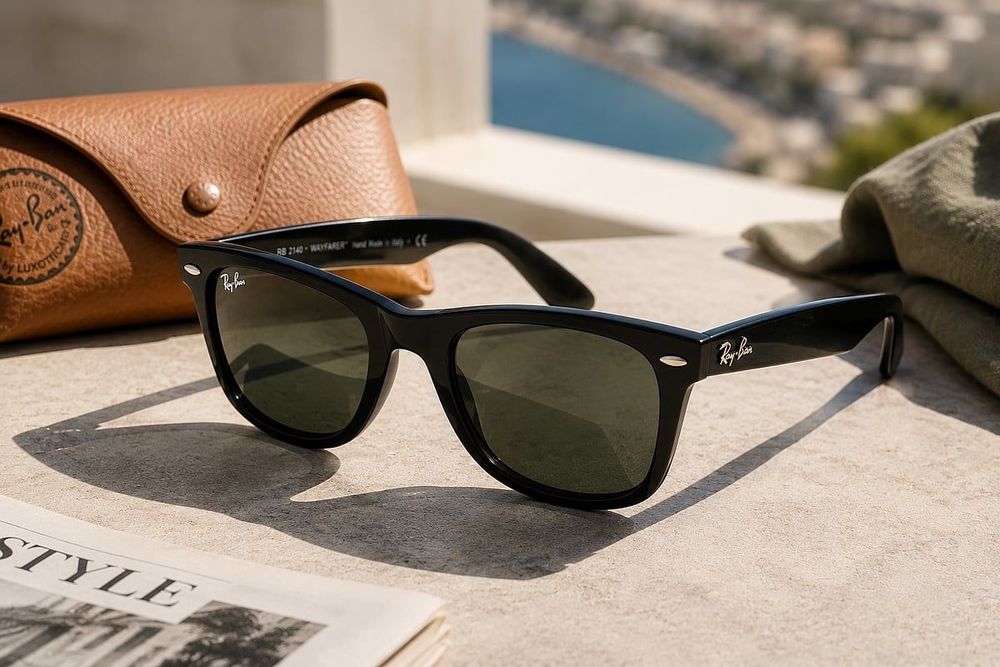
First introduced in 1952 by designer Raymond Stegeman for Bausch & Lomb, the Ray-Ban Wayfarer broke new ground as one of the earliest sunglasses to use molded plastic construction instead of traditional metal frames. More than seven decades later, that same silhouette remains instantly recognisable across generations. The newer Wayfarer Reverse, launched in May 2023, refines the familiar square profile with an inverted lens design while preserving the character that has made the original a fixture in wardrobes worldwide.
The Wayfarer's longevity has not been without challenges. By 1981, sales had declined to just 18,000 pairs annually and the model faced discontinuation. A strategic product placement agreement signed in 1982 changed its trajectory. Between 1982 and 1987, Ray-Ban sunglasses appeared in over 60 films and television shows each year. Tom Cruise's appearance wearing Wayfarers in the 1983 film Risky Business alone drove sales to 360,000 pairs that year. By 1987, annual sales had reached 1.5 million pairs following appearances in Miami Vice, The Breakfast Club and Moonlighting.
The brand changed hands in 1999 when Bausch & Lomb sold Ray-Ban to Italian eyewear conglomerate Luxottica Group for $640 million during another period of decline. A second revival began in the mid-2000s after Luxottica observed vintage Wayfarers selling for significant prices on resale platforms. The company reintroduced the original design in 2007, with sales at Selfridges London increasing 231 percent that year. Today, Ray-Ban is owned by EssilorLuxottica and remains the company's largest brand, accounting for approximately 12 percent of the group's 2024 sales.
Design evolution and modern materials
The Wayfarer underwent a notable redesign in 2001 with the RB2132 model, which featured smaller, less angular frames and a shift from acetate to lighter injected plastic. The Reverse Collection continues this evolution, introducing lenses that curve in the opposite direction to conventional sunglasses. According to Ray-Ban, this inverted geometry follows the natural curve of the cheekbones more closely, creating a more universal fit while maintaining the signature Wayfarer aesthetic.
The frame uses durable acetate or bio-based injected materials depending on the colourway, while lenses are manufactured from bio-based polyamide with full UV protection. Buyers can select from multiple frame colours and lens tints, including classic green and grey alongside gradient finishes. Polarized lens options are available in selected colour combinations, reducing glare from reflective surfaces such as roads and water. The glasses are offered in multiple sizes to accommodate different face shapes.
Signature Ray-Ban details remain intact, including metal rivets, sculpted temples and discreet branding on the lens and arms. Each pair includes a protective case and cleaning cloth.
Practical performance
The primary strength of the Wayfarer design lies in its versatility. The square frame complements round, oval and heart-shaped faces, while its balanced proportions work equally well with casual and formal clothing. Fashion editors continue to cite the Wayfarer among the most reliable long-term eyewear investments because it avoids short-lived styling trends.
Build quality supports the premium positioning. The acetate frame feels solid without excessive weight, and the hinges are engineered for extended regular use. The Reverse model's inverted lens design aims to improve comfort by following facial contours more naturally.
For frequent driving, beach visits or marina use in the UAE, polarized lenses offer advantages by reducing reflected glare from roads, water and glass surfaces. Buyers who spend most time in urban settings may find standard lenses perfectly adequate, while those with substantial outdoor activity could benefit from polarization where available for their preferred colour.
The distinctive Wayfarer profile is more prominent than slim metal frames. Those preferring an understated look or extremely lightweight construction may favour another style. For most buyers, however, the bold shape represents the design's essential appeal rather than a limitation.
Innovation alongside tradition
While maintaining its classic design language, Ray-Ban has also moved into new product categories. The brand partnered with Meta to develop smart glasses, beginning with Ray-Ban Stories in 2021 and releasing an improved Ray-Ban Meta Wayfarer in late 2023. This demonstrates how the company balances technological innovation with the preservation of iconic styling.
Assessment
The Ray-Ban Wayfarer Reverse represents a thoughtful update to a design that has survived multiple fashion cycles since its 1952 debut. By introducing inverted lens geometry and bio-based construction while preserving the recognisable square profile, Ray-Ban has refreshed the model without compromising the characteristics that have sustained its appeal across decades. Combined with quality materials, choice of lens colours and selected polarized options, the Reverse offers flexibility for different lifestyles while maintaining the familiar character that has defined the Wayfarer for over seventy years.
For buyers seeking sunglasses that will remain appropriate through multiple seasons, few designs offer a stronger track record of enduring relevance.