Five minutes of daily dancing may sharpen your mind, research shows
Scientific studies reveal that brief daily dance sessions can improve focus, elevate mood and reduce dementia risk more effectively than many other activities.

Five minutes of daily dancing may sharpen your mind, research shows
A growing body of research suggests that dedicating just five minutes each day to dancing can deliver measurable benefits for brain health, concentration and emotional well-being.
Scientists have found that dance uniquely engages multiple cognitive and physical systems simultaneously, making it remarkably effective at protecting and enhancing mental function across all age groups.
Immediate cognitive benefits from brief sessions
Recent studies with schoolchildren demonstrated that five minutes of synchronised dancing before class improved concentration during subsequent mathematics tasks. Researchers attributed this to dance's ability to prevent mental fatigue and boost productivity through short movement intervals.
A 2023 Columbia University study found that engaging in light activity for just five minutes every 30 minutes resulted in nearly 60 percent lower blood sugar spikes after meals, while even one minute of movement every half hour reduced blood pressure.
Unique combination activates multiple brain regions
Julia F. Christensen, a neuroscientist at Germany's Max Planck Institute for Empirical Aesthetics and former professional ballet dancer, explains that dance stands apart by simultaneously combining aerobic exercise, social interaction and creative self-expression through music. The author of Dancing is the Best Medicine notes that few other activities activate all three elements at once.
This multifaceted engagement challenges the brain to remember sequences, coordinate movement, synchronise with rhythm, maintain balance and make rapid adjustments—all while processing music and potentially interacting with others.
Remarkable protection against cognitive decline
A landmark 21-year study published in 2003 by researchers at the Albert Einstein College of Medicine followed 469 adults over age 75 and produced striking findings. The research, funded by the National Institute on Aging and using the Blessed Information-Memory-Concentration test—which correlates with Alzheimer's stages—found that dancing reduced dementia risk by 76 percent, more than twice the 35 percent reduction associated with reading.
Significantly, dancing was the only physical activity among 11 examined—including cycling, golf, swimming and tennis—that showed an association with reduced dementia risk. Several cognitive activities like reading and playing musical instruments also demonstrated protective effects.
Structural brain improvements
An 18-month study of older adults participating in dance classes revealed improved balance alongside increased volume in the hippocampus, the brain region responsible for memory and learning. This area is typically among the first affected by Alzheimer's disease, making the findings particularly relevant for age-related cognitive health.
Neurochemistry of movement and emotion
Dance triggers the release of multiple neurochemicals that work together to enhance well-being. Physical movement boosts beta-endorphins—natural feel-good compounds—while anticipating melody triggers dopamine, linked to motivation and pleasure. When people dance with others, the brain increases oxytocin production, promoting social bonding.
Synchronous dancing creates a neurological phenomenon called entrainment, where moving together in rhythm blurs boundaries between self and other, fostering trust and deeper social connections through combined endorphin and oxytocin release.
Superior mood enhancement
A 2024 meta-analysis published in The BMJ reviewed 218 clinical trials and found that dance reduced symptoms of depression more effectively than walking, yoga, strength training and standard antidepressants. Even dancing alone can increase feelings of happiness, while group synchrony amplifies these emotional benefits.
Creative thinking boost
Brief dance sessions appear to enhance creative thinking by activating brain networks involved in problem-solving and divergent thinking—the ability to generate multiple solutions to challenges. Improvised dancing may provide even greater creative benefits than following choreographed routines.
Countering sedentary lifestyle risks
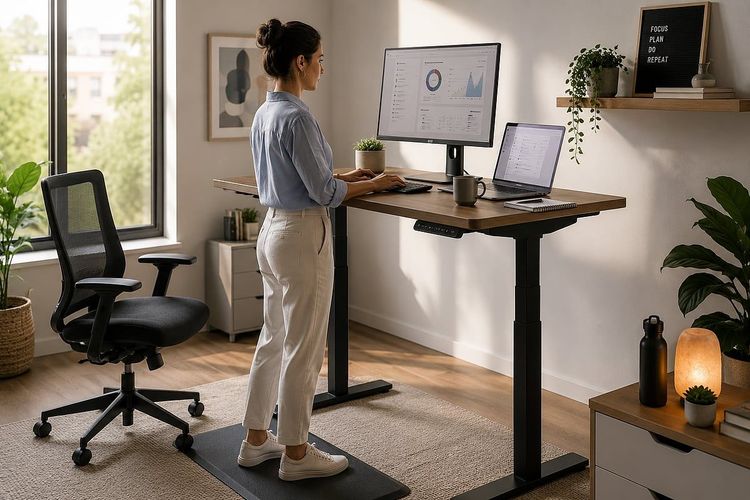
Nearly one in four adults in the United States sits for more than eight hours daily, according to the Centers for Disease Control and Prevention. Research shows that people who predominantly sit at work face a 16 percent higher risk of mortality from all causes and a 34 percent higher risk of cardiovascular death.
Health experts recommend breaking up extended sitting periods, advising against remaining in any single position for more than 30 to 60 minutes. Prolonged sitting beyond 30 minutes at a stretch has been linked to increased risks of chronic disease and premature death.
Getting started
Experts suggest beginning with music you genuinely enjoy and committing to just five minutes daily. Beginners can learn simple routines online, improvise their own movements or consider joining a class for additional social and motivational benefits.
The research indicates that even these modest daily dance breaks can meaningfully improve focus, elevate mood and stimulate creativity, while consistent practice over months may strengthen memory, improve balance and help protect against age-related cognitive decline.