Why UAE residents choose hot karak even when temperatures hit 45°C
Despite scorching summer heat, many UAE residents continue drinking hot karak tea and coffee daily. Health experts reveal the science, psychology and cultural factors behind this seemingly counterintuitive preference.
Deep cultural roots
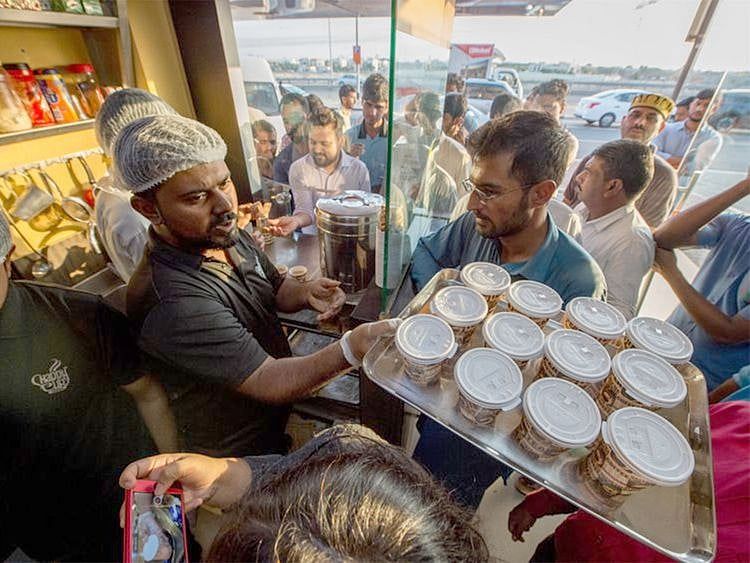
When outdoor temperatures in the UAE soar past 45°C, conventional wisdom suggests reaching for an ice-cold beverage. Yet across the country, from office pantries to roadside tea shops, queues continue forming for steaming cups of karak, Arabic coffee and hot tea.
This daily ritual persists regardless of the mercury's climb, raising questions about whether habit, science or something deeper drives the preference. Health experts point to a complex interplay of cultural tradition, physiological responses and modern lifestyle patterns that explain why hot drinks remain the beverage of choice for many residents.
Karak tea arrived in the Gulf region during the 1950s and 1960s, brought by migrant workers from India and Pakistan who came to work in Qatar's burgeoning oil and natural gas industry. The beverage evolved from Indian masala chai, and its name derives from Urdu, meaning 'strong' or 'concentrated.' Over decades, karak became woven into the social fabric of UAE life, transcending its origins to become a staple at family gatherings, workplace breaks and moments of relaxation.
Dr Eman Abdul Kader Alabar, specialist internal medicine at Medcare Royal Speciality Hospital, emphasises that food and beverage preferences extend far beyond weather considerations. The familiarity and comfort associated with karak often outweigh instinctive reactions to outdoor temperatures.
Modern UAE lifestyle reinforces these habits. Residents move frequently between extreme outdoor heat and heavily air-conditioned indoor environments throughout the day. This constant temperature contrast naturally increases the appeal of warm beverages that provide sensory comfort in cooled spaces.
Data supports the prevalence of tea consumption in the region. According to 2016 figures, the UAE's annual tea consumption reaches approximately 0.78 kg per capita, placing it among moderate tea-consuming nations globally.
The science of thermoregulation
The notion that hot drinks can cool the body may seem paradoxical, but physiological mechanisms support this effect under specific conditions. Dr Mohammed Zaquot, consultant internal medicine at Prime Hospital, explains that the human body maintains a stable core temperature of around 37°C through various mechanisms, with sweating being among the most effective.
Hot beverages activate a nerve receptor called TRPV1, which signals the body to initiate cooling responses by triggering increased sweat production. A 2012 study published in Acta Physiologica demonstrated this effect when cyclists who consumed hot drinks in dry, low-humidity environments sweated more and experienced body temperature drops due to efficient sweat evaporation.
However, Zaquot cautions against relying on this strategy during UAE summers. The cooling effect depends entirely on sweat evaporating efficiently from the skin. In humid conditions, evaporation becomes less effective, significantly reducing any cooling benefit. As ambient temperature rises, evaporative cooling through sweating grows increasingly important for thermoregulation, but high humidity undermines this process.
Zaquot also warns about consuming beverages at extremely high temperatures. In 2016, the International Agency for Research on Cancer classified drinking beverages above 65°C as 'probably carcinogenic to humans' based on associations with oesophageal cancer. Research indicates the temperature itself, rather than the beverages, appears responsible for increased risk. Typical serving temperatures for coffee and tea in many regions fall below this threshold, though individuals should allow drinks to cool slightly before consuming.
Rather than focusing on beverage temperature for cooling, Zaquot recommends prioritising proper hydration through regular water intake, maintaining a balanced diet rich in fruits, vegetables, whole grains and lean proteins throughout summer months.
Psychology and emotional comfort
Beyond physical responses, mental and emotional factors play significant roles in beverage preferences. Nargiza Noimann Zander, clinical psychologist and founder of X-Technology, notes that many summer cravings for hot drinks relate more to emotional regulation than temperature management.
For numerous residents, a cup of karak represents far more than tea. It signals the start of the workday, provides structure during breaks, facilitates conversations with colleagues and offers moments of quiet reflection. Over time, the brain begins associating these familiar routines with feelings of safety and relaxation.
Warm beverages create soothing sensations in the throat, chest and stomach that encourage the body's rest and digest response. While cold drinks may feel initially refreshing, they typically do not provide the same emotional comfort, particularly after extended periods in air-conditioned environments.
Zander stresses that moderation remains essential. Excessive consumption of drinks high in caffeine or sugar can affect sleep patterns, anxiety levels and energy, especially during periods of dehydration or fatigue. However, research demonstrates that moderate coffee consumption up to 400mg of caffeine or approximately three to four cups daily does not cause dehydration in healthy adults. Studies show caffeinated beverages contribute to fluid balance, and regular consumers develop tolerance to caffeine's mild diuretic effect within four to five days.
If someone experiences dizziness, unusual tiredness, overheating, excessive thirst or inability to cool down, the body is signalling a need for hydration, rest and cooling rather than additional stimulants.
Balanced summer nutrition
Ruba El Hourani, head of the preventive health and nutrition department at RAK Hospital, emphasises that hydration should remain the cornerstone of summer dietary habits, regardless of beverage temperature preferences. People lose significant fluid volumes through perspiration during hotter months, making regular water intake essential. Those spending extended periods outdoors or exercising may require electrolyte-rich fluids to replace minerals lost through sweating.
El Hourani recommends building meals around water-rich fruits and vegetables, lean proteins and other light, balanced foods that provide nourishment without inducing sluggishness. Simultaneously, she advises limiting sugary soft drinks, excessive caffeine and heavy, oily meals, which can increase thirst, contribute to dehydration and place additional strain on the body during extreme heat.
She clarifies that limited clinical evidence exists showing hot drinks are superior to cold drinks for digestion in healthy individuals. The main determinant of digestive health is adequate hydration, regardless of beverage temperature.
For UAE residents who cannot imagine starting their day without karak, experts agree there is no need to abandon the tradition simply because temperatures are soaring. A hot drink enjoyed in moderation, alongside plenty of water and a balanced diet, can comfortably remain part of a healthy summer routine. In a country where temperatures regularly exceed 45°C, the UAE's favourite hot beverage has transcended mere refreshment to become a daily ritual that even extreme summer heat cannot break.