DR Congo Ebola outbreak claims 1,887 lives as cases surge past 4,000
The Democratic Republic of Congo reports 1,887 deaths and 4,120 confirmed Ebola cases in the country's second-largest outbreak on record, caused by the rare Bundibugyo strain with no approved vaccine.
Rapid acceleration of infections
The Democratic Republic of Congo has reported a dramatic escalation in its Ebola outbreak, with the death toll reaching 1,887 and confirmed infections climbing to 4,120, according to government figures released over the weekend.
The outbreak, triggered by the rare Bundibugyo strain of the Ebola virus and declared in May in northeastern Congo, has rapidly expanded across multiple provinces, making it the second-largest Ebola outbreak ever documented, following the devastating 2014-16 West Africa epidemic.
The latest government data marks a sharp increase from the 4,053 confirmed cases and 1,850 deaths reported just days earlier on August 5-6, according to the U.S. Centers for Disease Control and Prevention's most recent situation summary.
In comparison, the World Health Organisation's July 30 update had recorded 3,605 confirmed cases and 1,587 deaths, indicating that the outbreak has intensified at an alarming rate within a matter of days.
According to the latest bulletin from the Congolese Ministry of Communication, compiled with data through August 6, the current fatality rate stands at 45.8 percent.
Cases have been documented across five provinces: Ituri, North Kivu, South Kivu, Haut-Uélé and Tshopo, affecting dozens of health zones throughout the region.
Kinshasa boat scare resolved
Health authorities confirmed on Saturday that no cases of Ebola were detected among passengers aboard a river boat placed under quarantine near Kinshasa, easing concerns that the virus might reach the Congolese capital.
More than 200 boat passengers were quarantined Thursday at the port of Maluku, 65 kilometers from Kinshasa, after a traveler who had previously been on the vessel died with symptoms resembling Ebola infection.
The National Institute of Biomedical Research, responsible for diagnostic testing, announced that all suspected cases tested negative for the Bundibugyo strain. Officials urged Kinshasa's population to remain calm.
Unprecedented challenges hampering containment
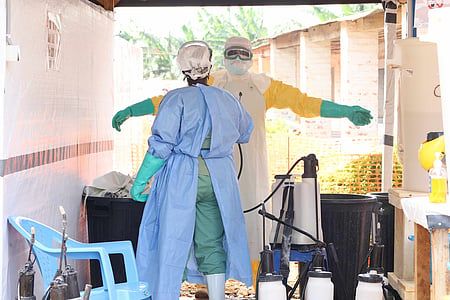
This outbreak presents exceptional difficulties for health responders. The Bundibugyo virus is a relatively rare Ebola species for which no approved vaccine or specific treatment currently exists. Although researchers and health authorities are testing potential vaccines and treatments, these remain experimental and are not yet established tools for outbreak control.
The crisis is unfolding in a region plagued by armed conflict, population displacement, fragile health infrastructure and extensive movement of people, all of which severely complicate surveillance, contact tracing and treatment efforts.
The CDC noted that this outbreak surpassed 1,000 confirmed cases within approximately 40 days of response activation, compared with roughly 235 days during Congo's 2018 outbreak.
International response struggling to keep pace
WHO Director-General Tedros Adhanom Ghebreyesus has called for urgent strengthening of the response, warning that the outbreak is outpacing control efforts. Aid organizations have reported critical shortages of personnel and resources, while labor disruptions by health workers over unpaid or delayed compensation have further complicated response activities.
On May 17, WHO officially declared the outbreak a Public Health Emergency of International Concern. Following this declaration, on June 5, the WHO and the Africa Centres for Disease Control and Prevention launched a joint $518 million continental preparedness and response plan.
Médecins Sans Frontières has warned that community transmission is proving exceptionally difficult to contain and that response capacity remains inadequate relative to the outbreak's scale.
Concerns about unreported cases
Experts fear the official figures may underestimate the true extent of transmission. Delayed detection, inadequate surveillance systems and difficulties tracing contacts suggest some infections are likely going undetected.
Ebola spreads through direct contact with the blood or bodily fluids of infected individuals or contaminated materials, meaning unchecked community transmission can rapidly overwhelm health systems.
Health authorities are racing to enhance early detection, contact tracing, isolation and treatment capabilities, while researchers work urgently to evaluate medical countermeasures specifically targeting the Bundibugyo strain. The latest data underscores warnings from international health agencies that Congo faces an Ebola outbreak expanding faster than responders can contain it.